What makes this vibe
Wellness as a marketing category has been stretched to cover almost everything, which has made it almost meaningless. In this guide, we're using it more specifically: places and experiences that are genuinely restorative rather than just aesthetically "wellness-adjacent."
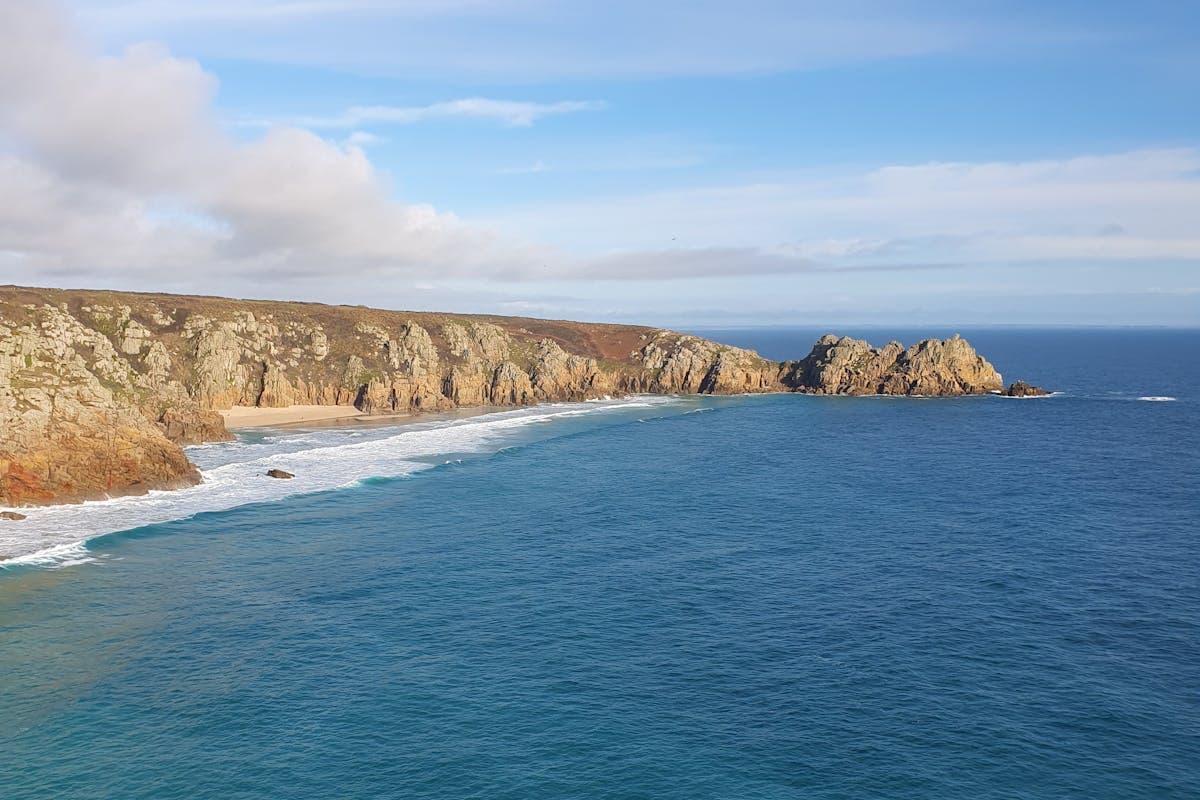
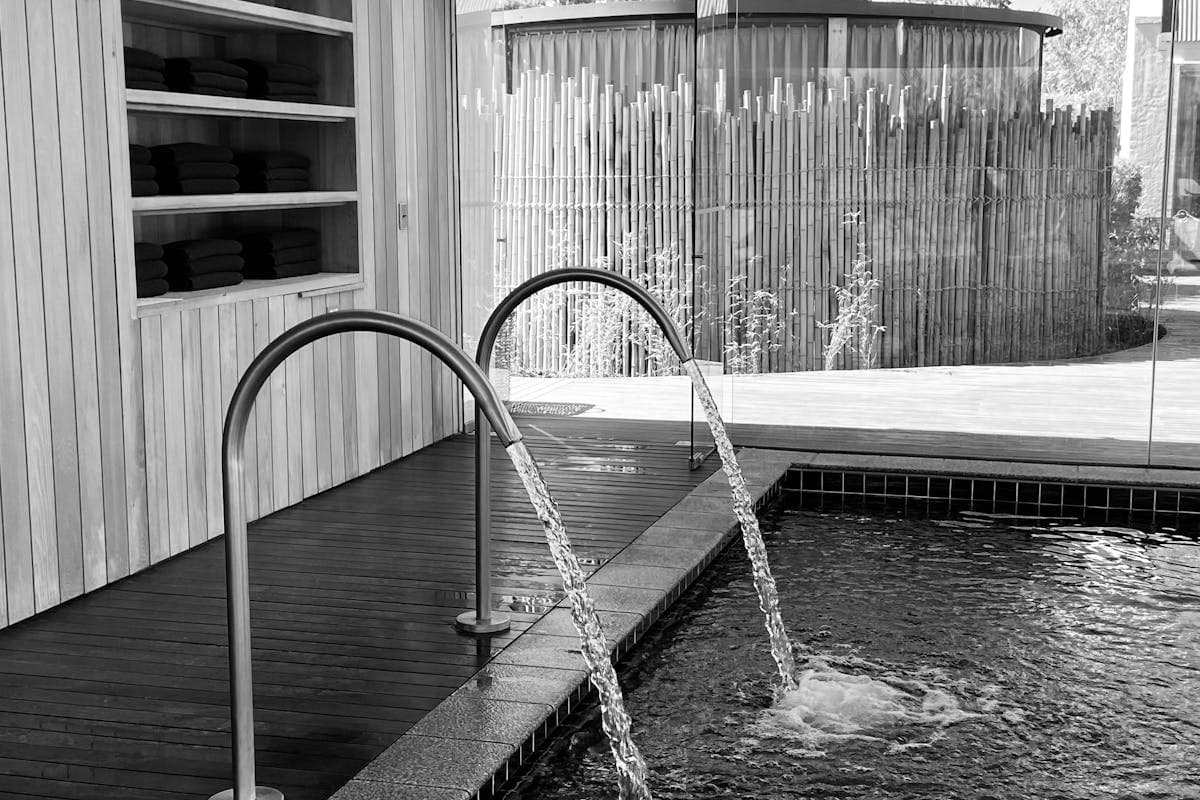
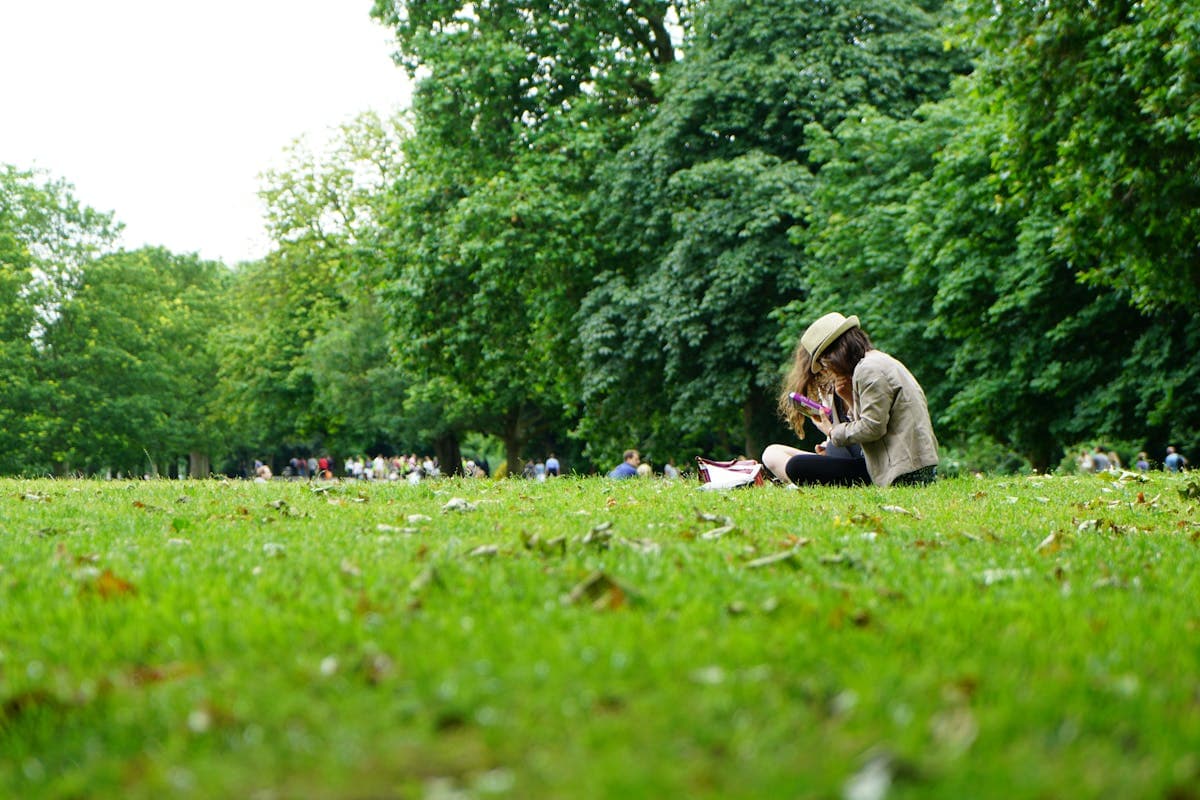
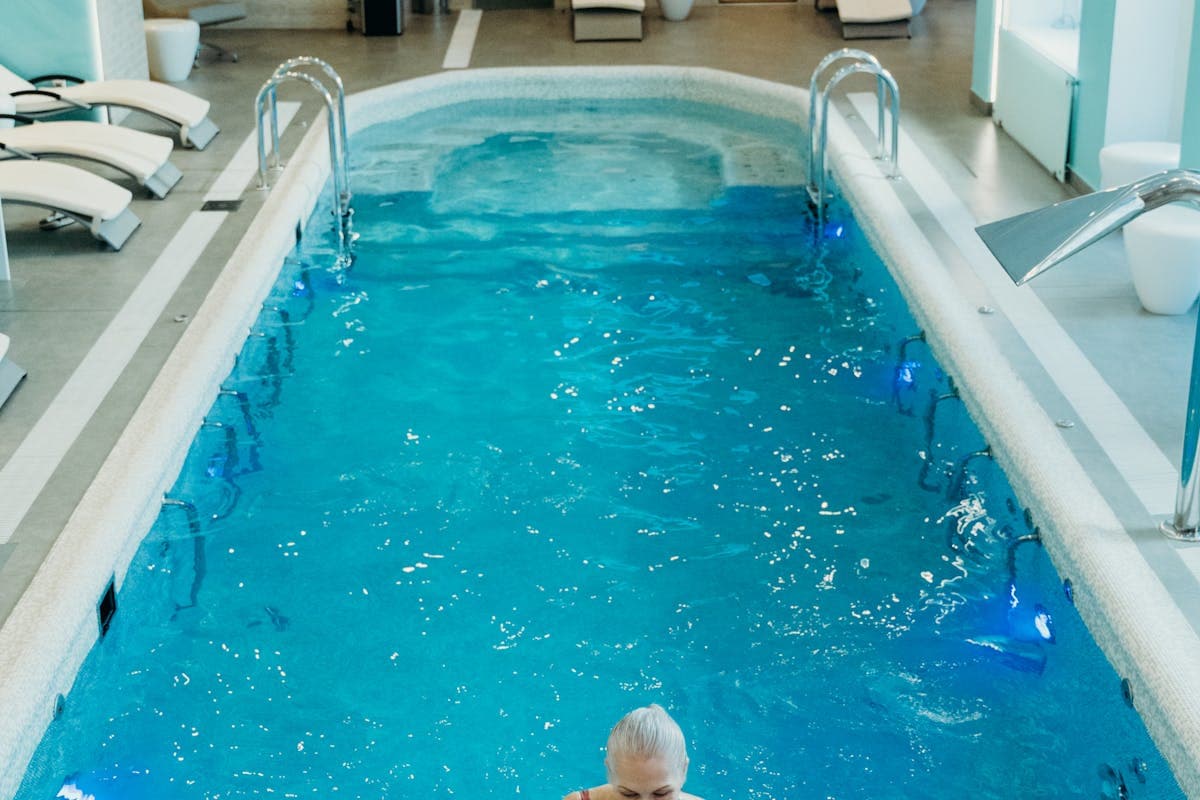
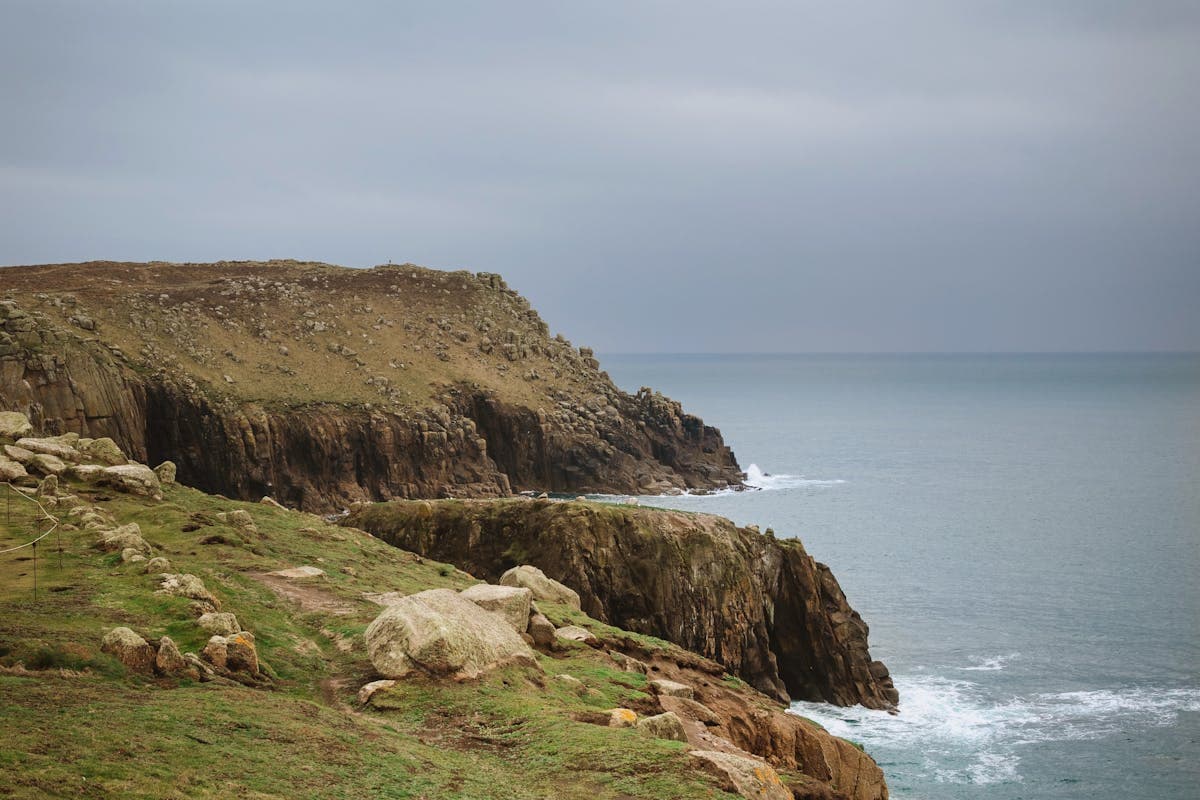
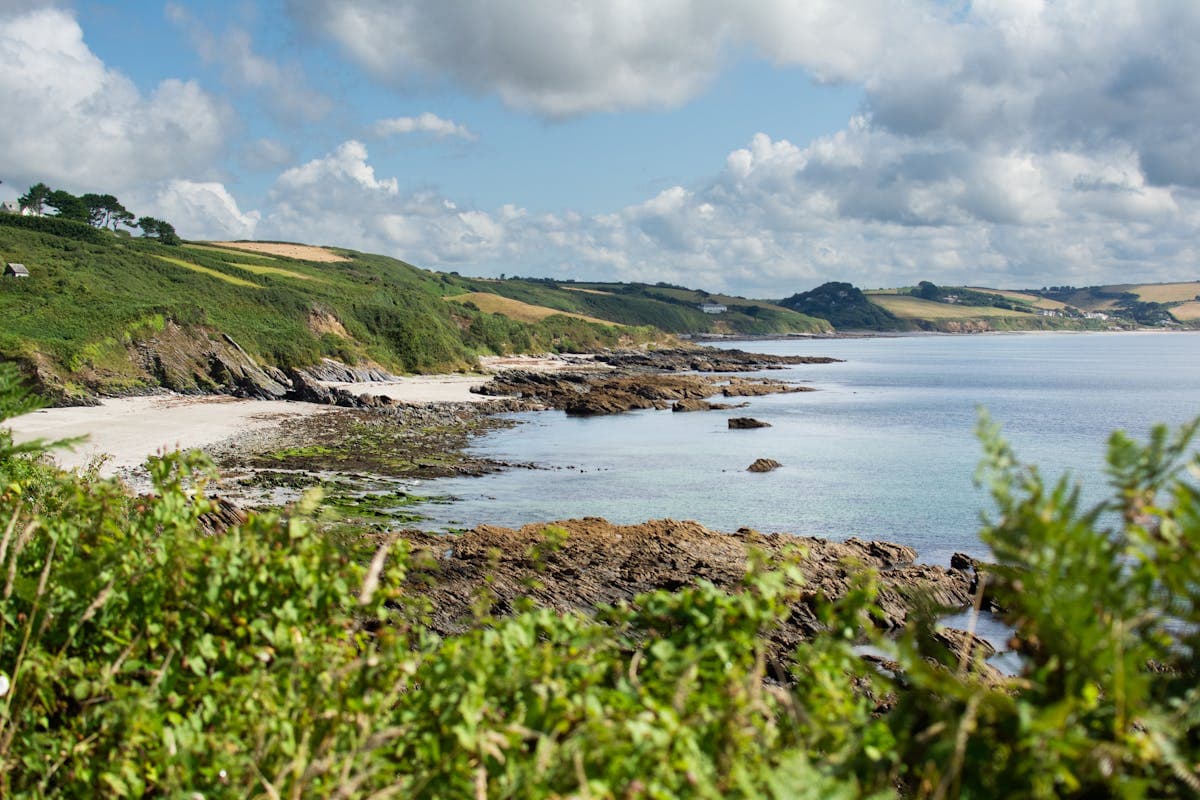
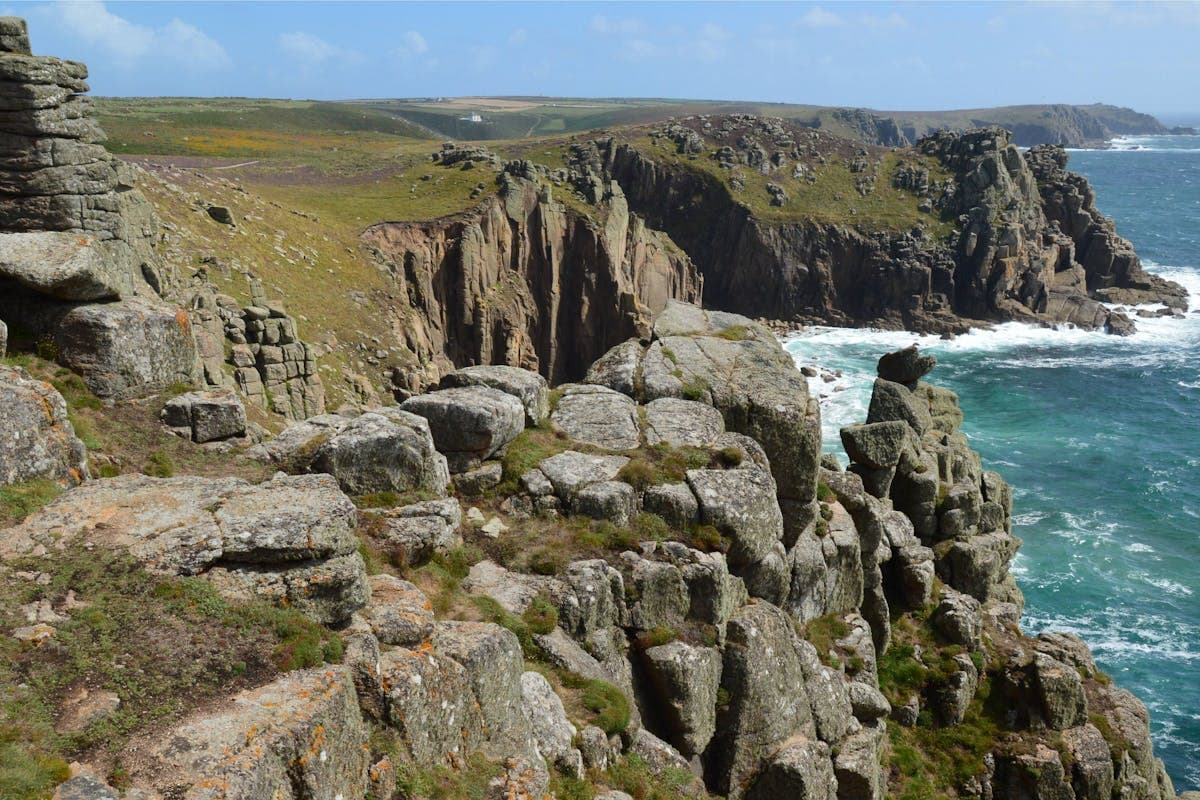
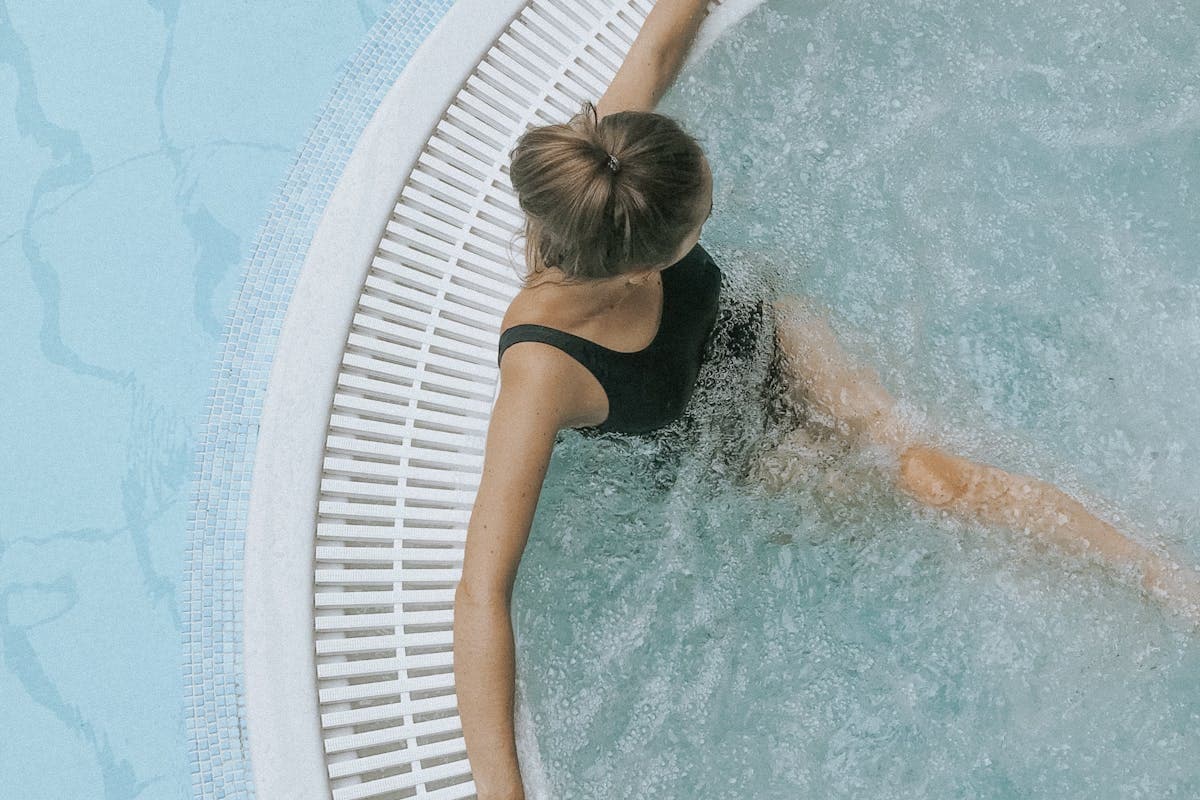
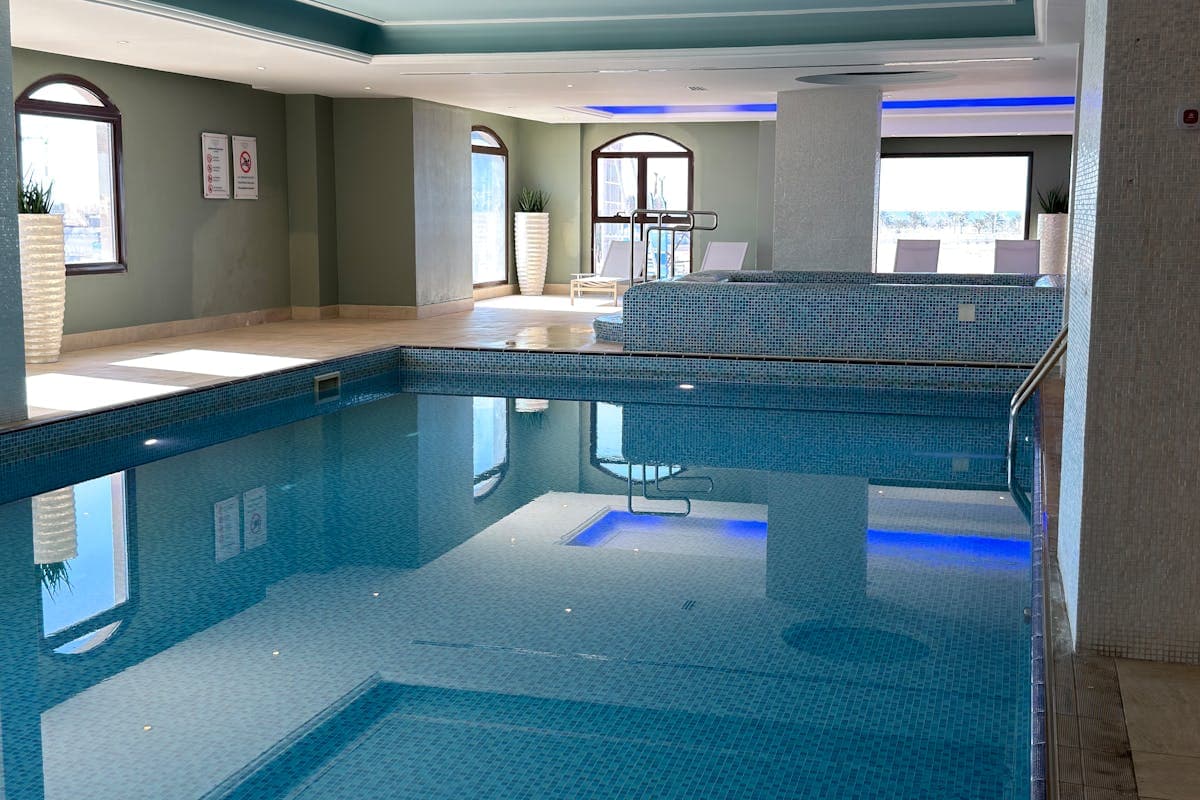
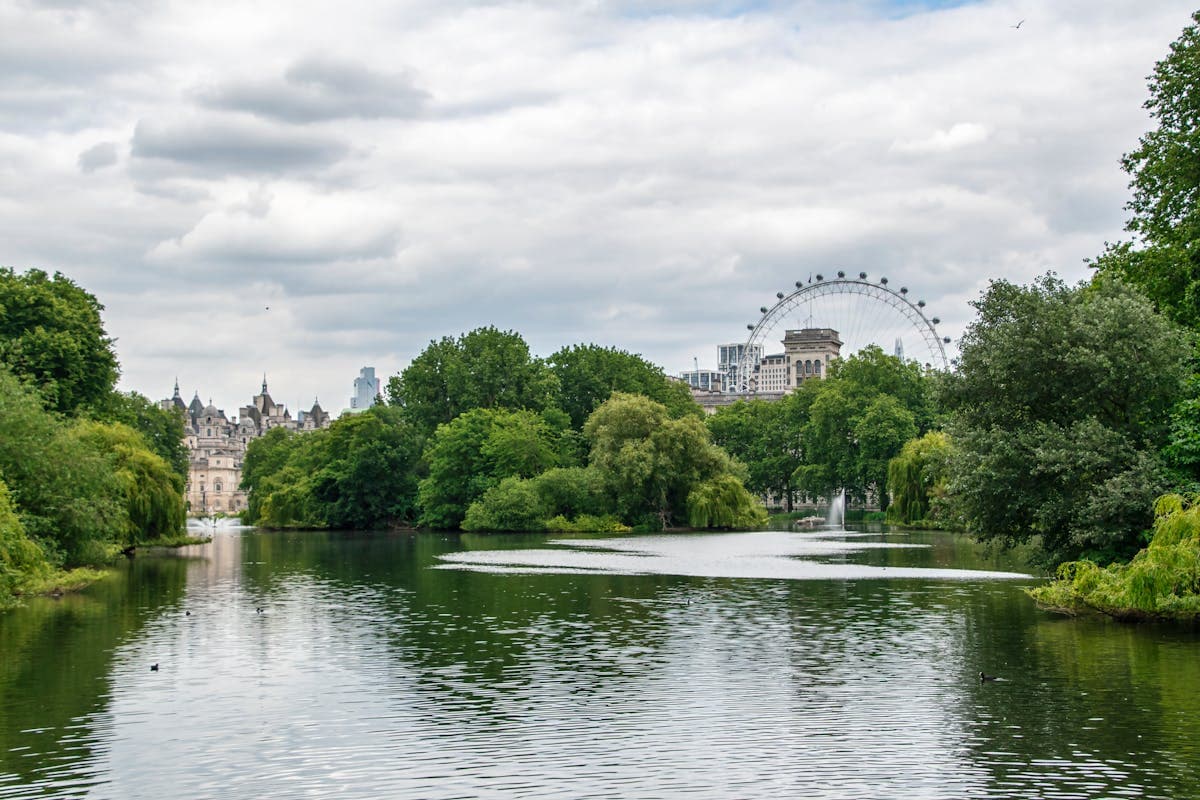
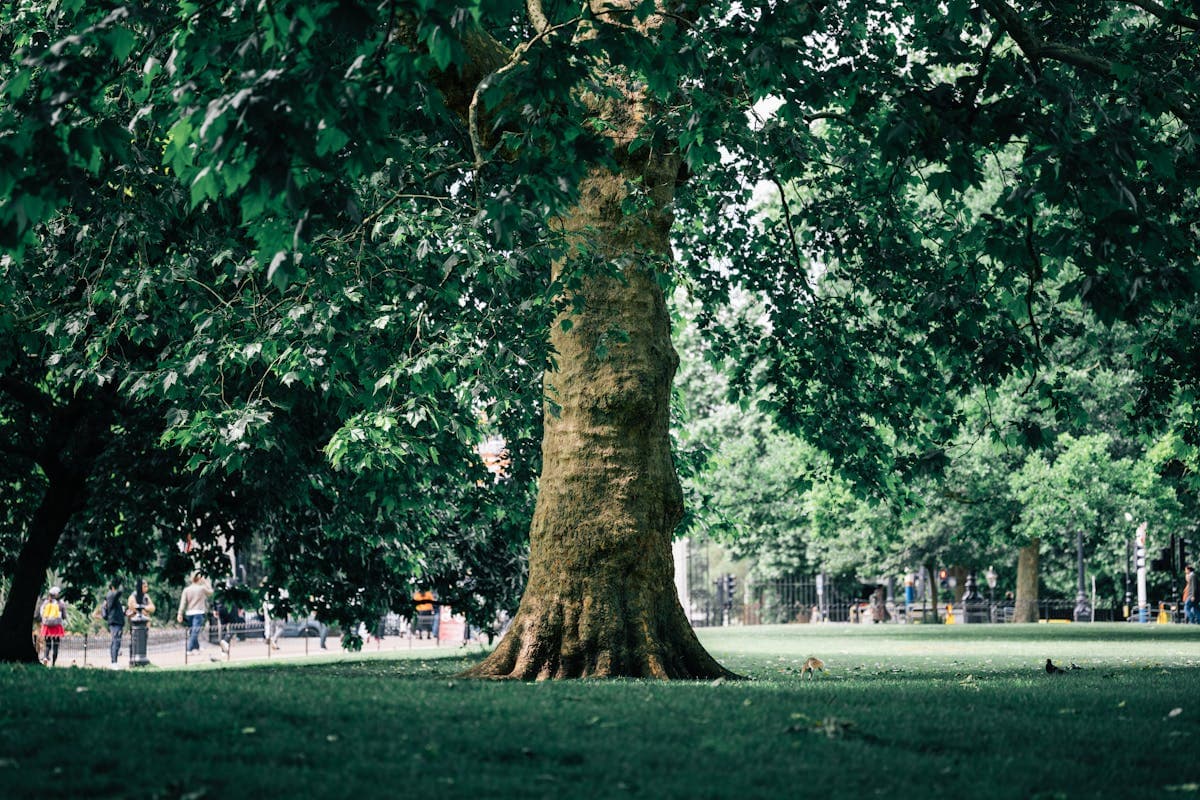
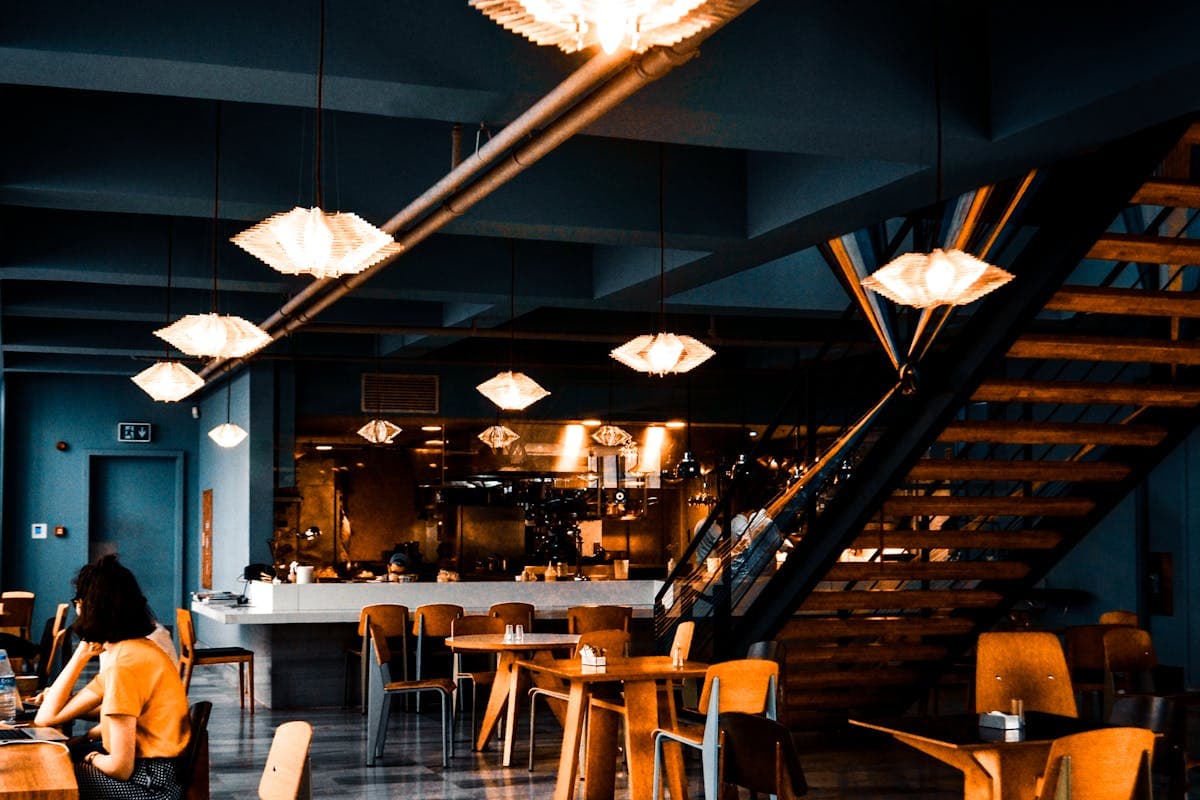
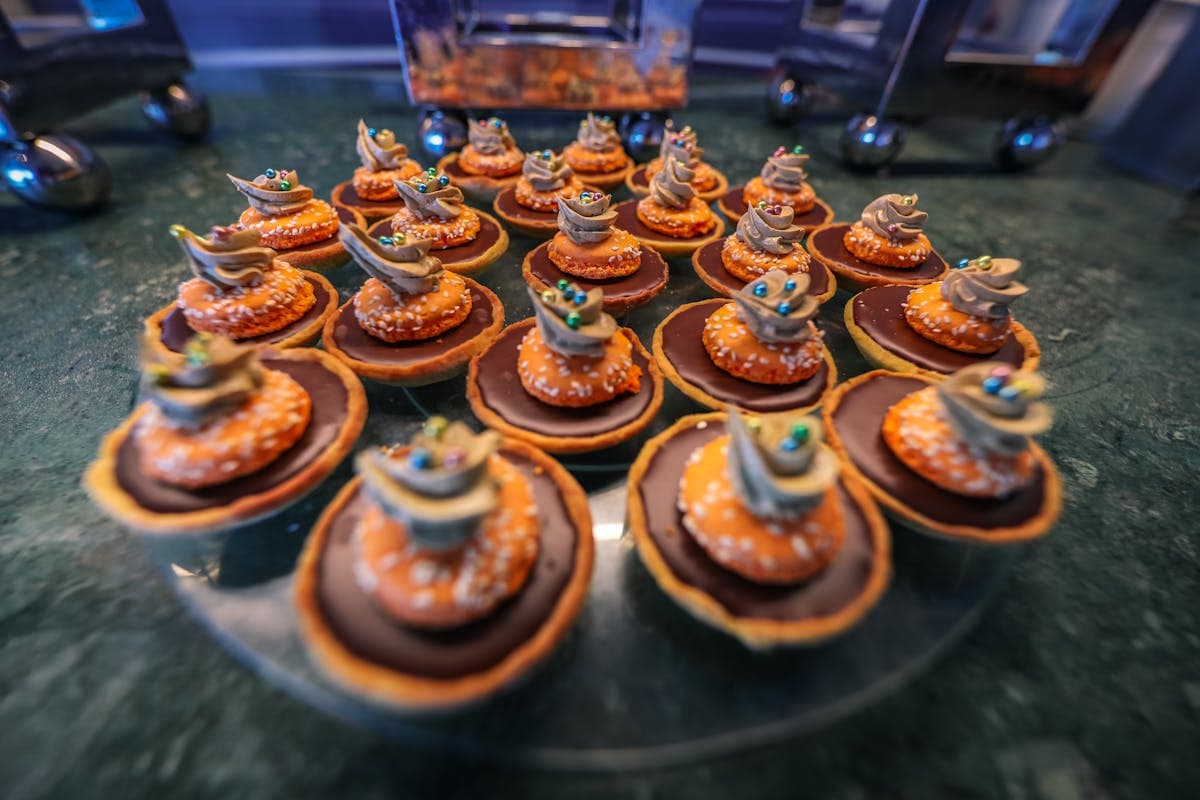
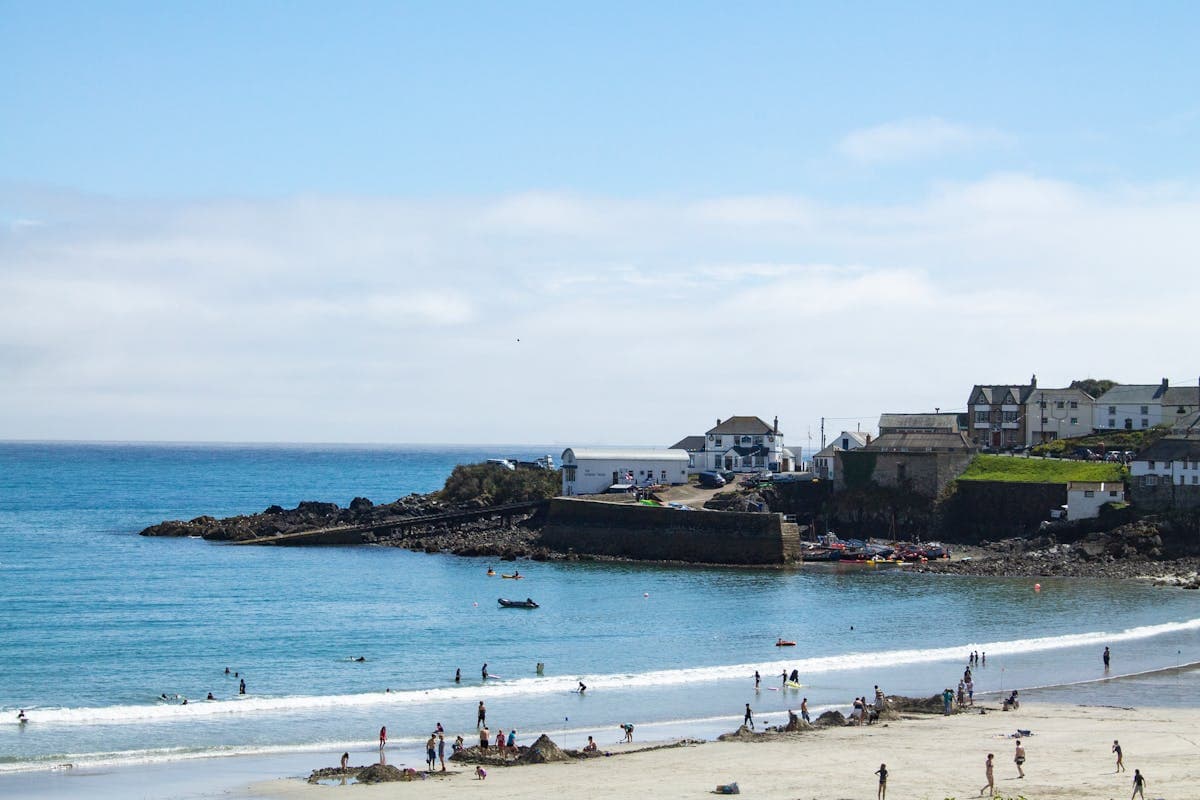
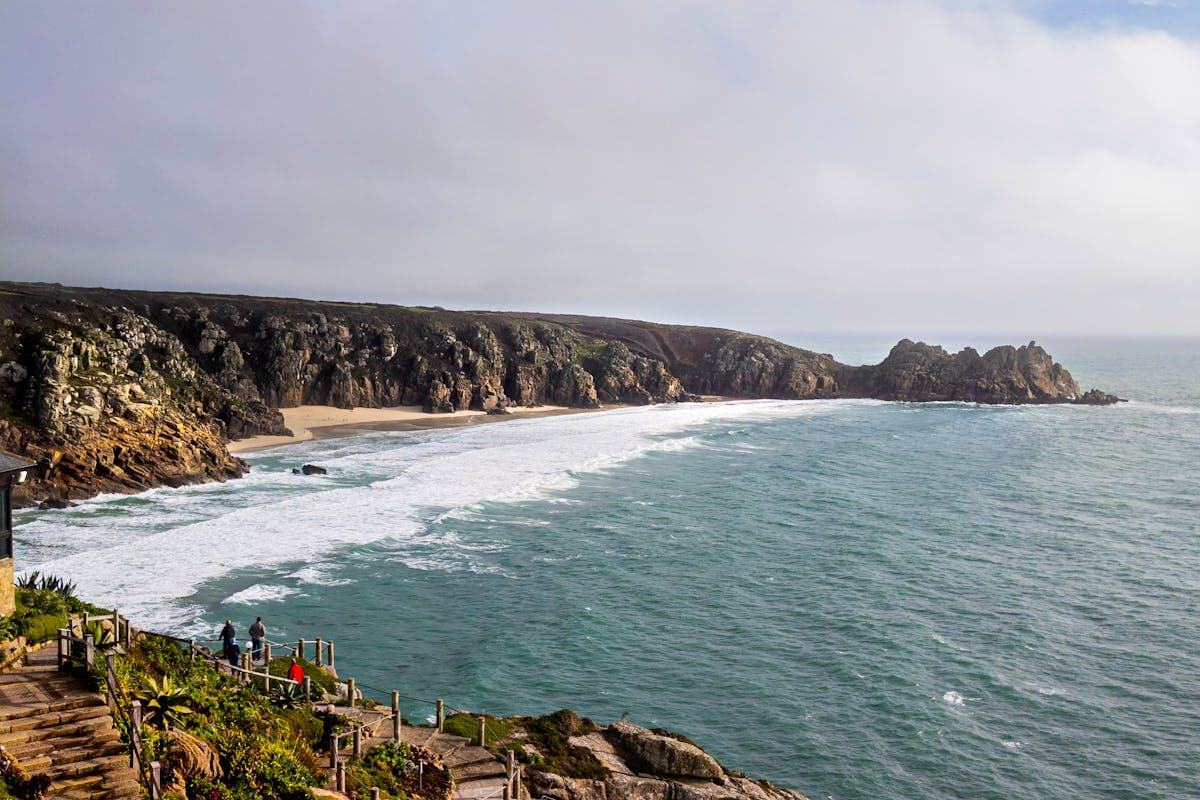
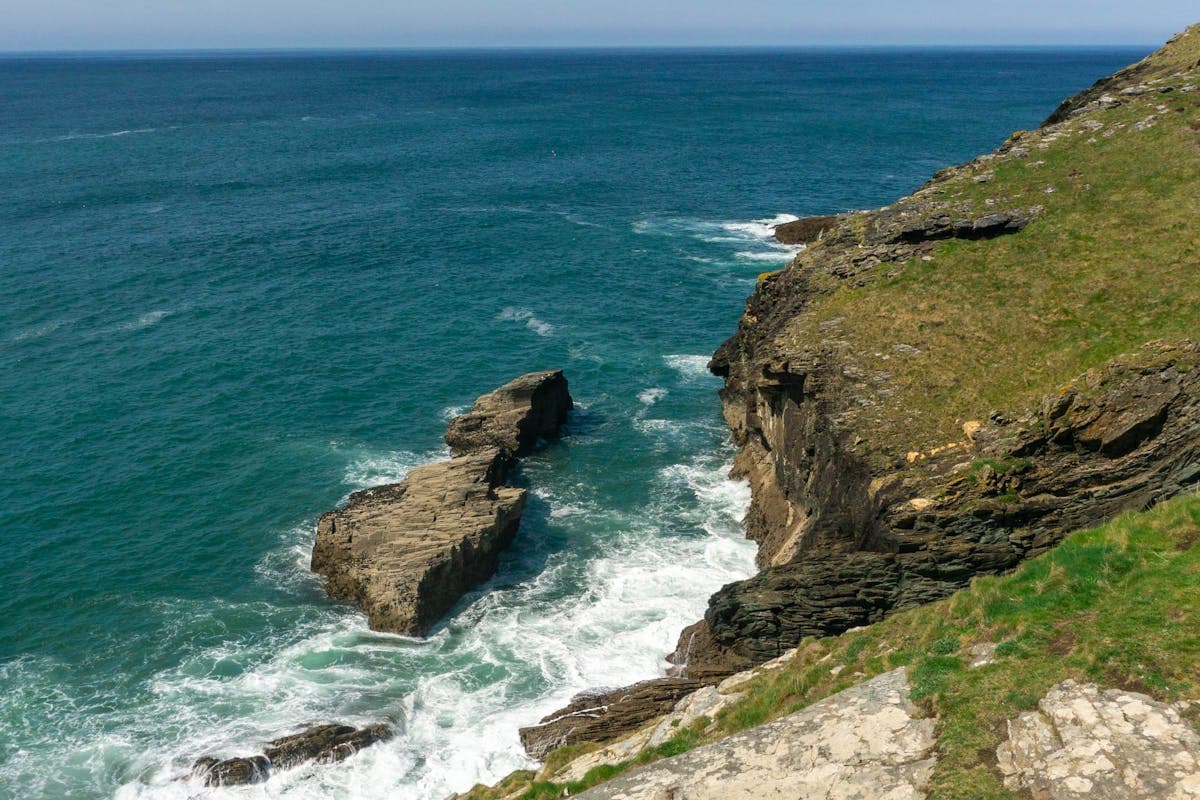
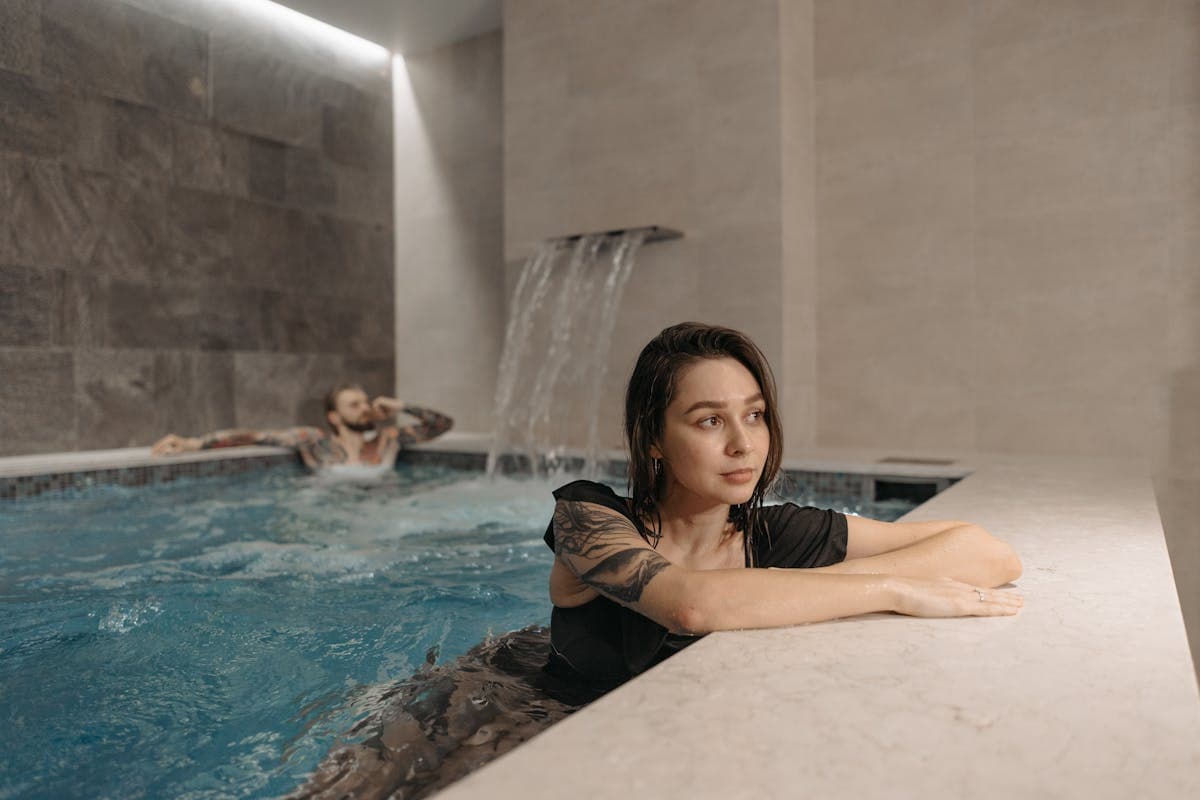
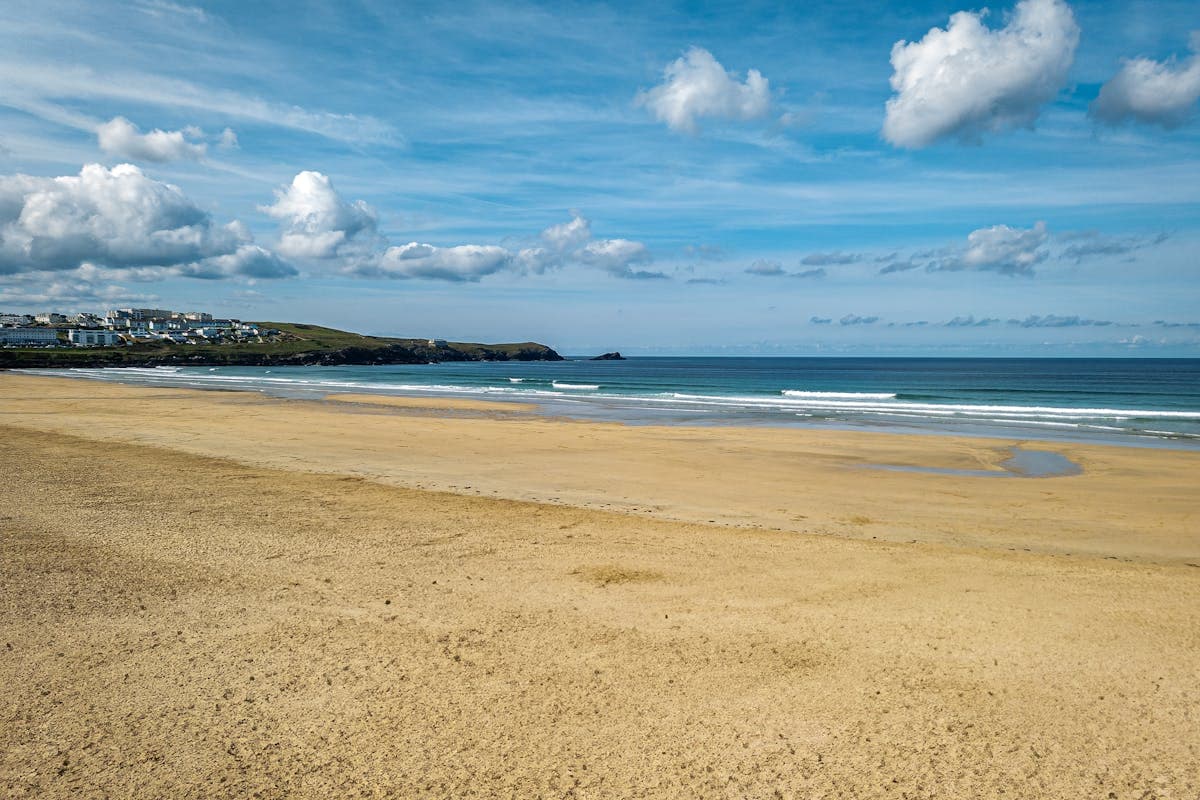
The distinction is between a spa that's atmospheric and expensive, and a cold-water swim in Hampstead Heath's ladies' pond at 7am that leaves you feeling physically transformed. Between a "wellness brunch" with avocado toast at £18, and a long walk along the Cornish coast path with a flask of coffee that costs nothing. Both can be wellness. Only one is reliable.
What reliably works
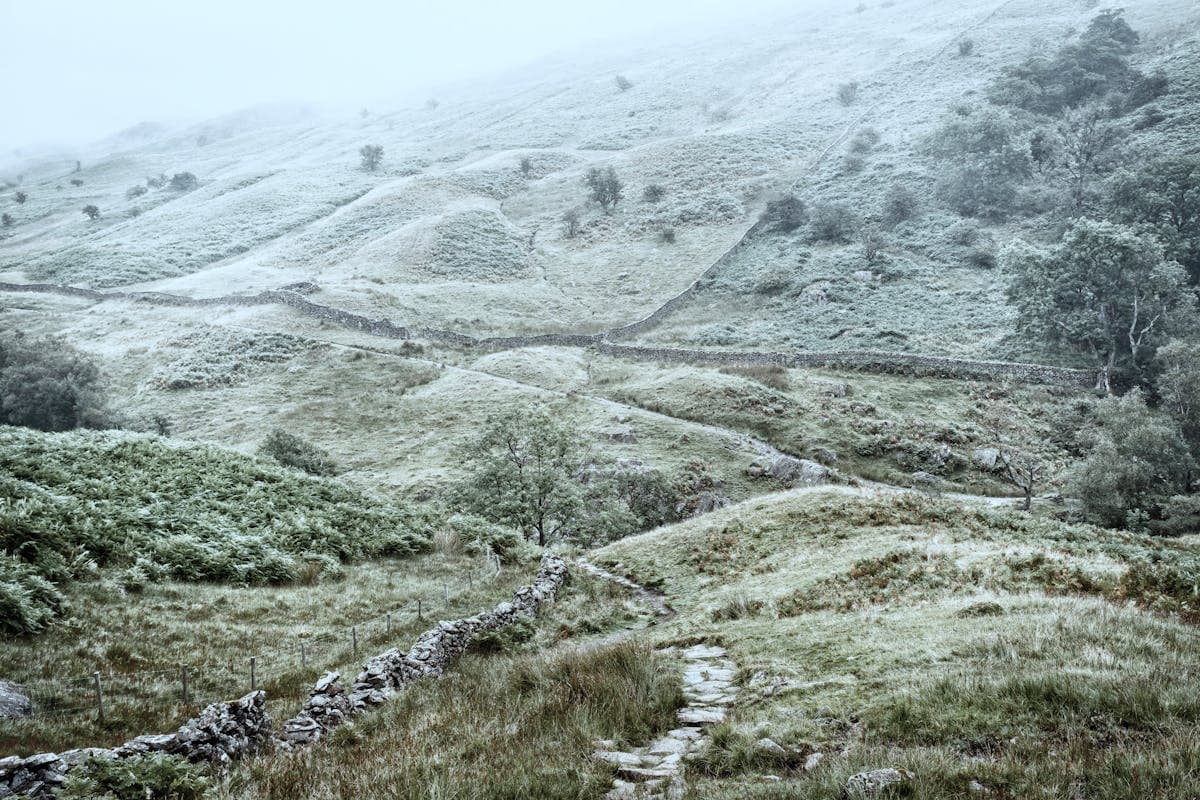
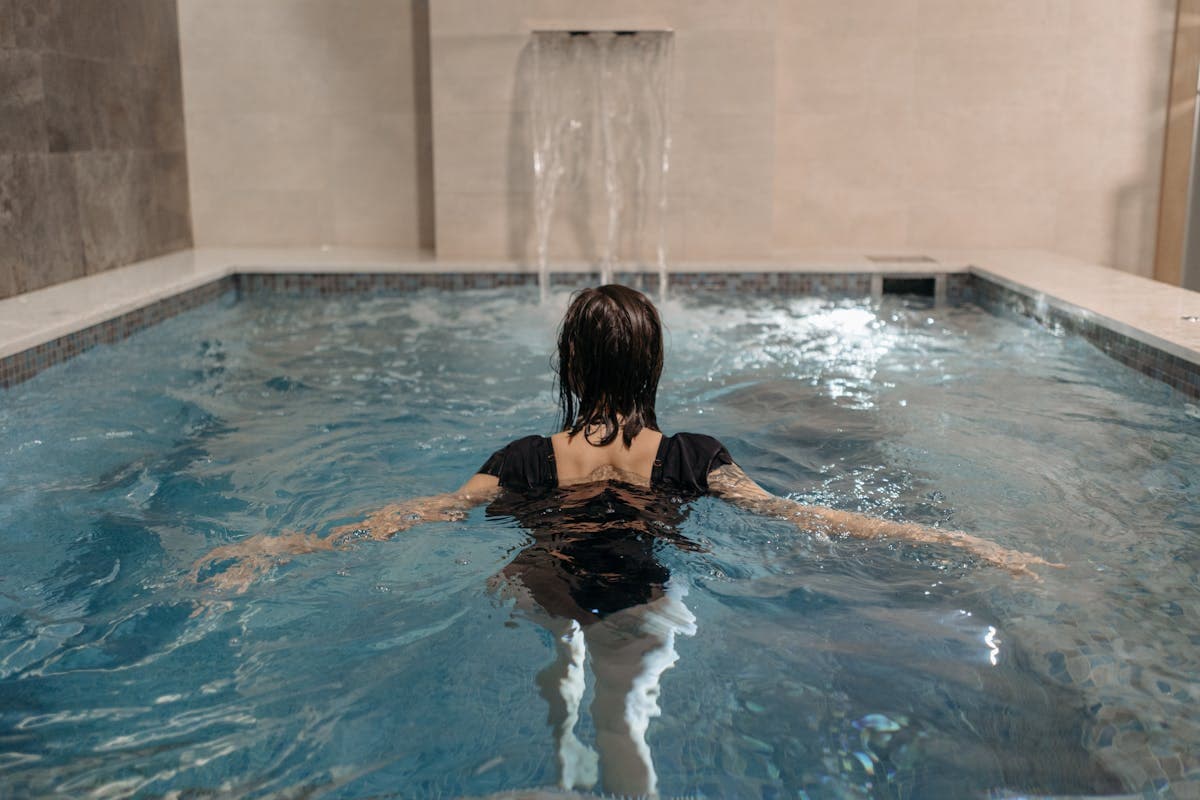
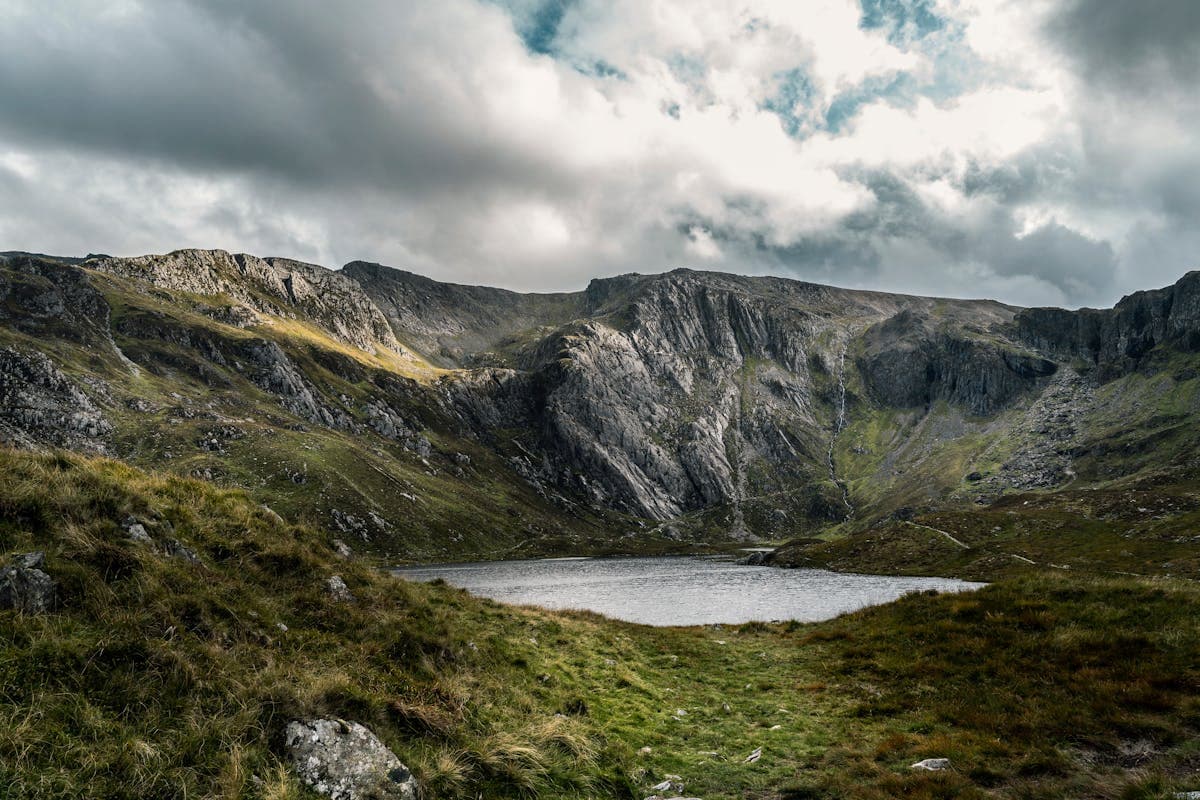
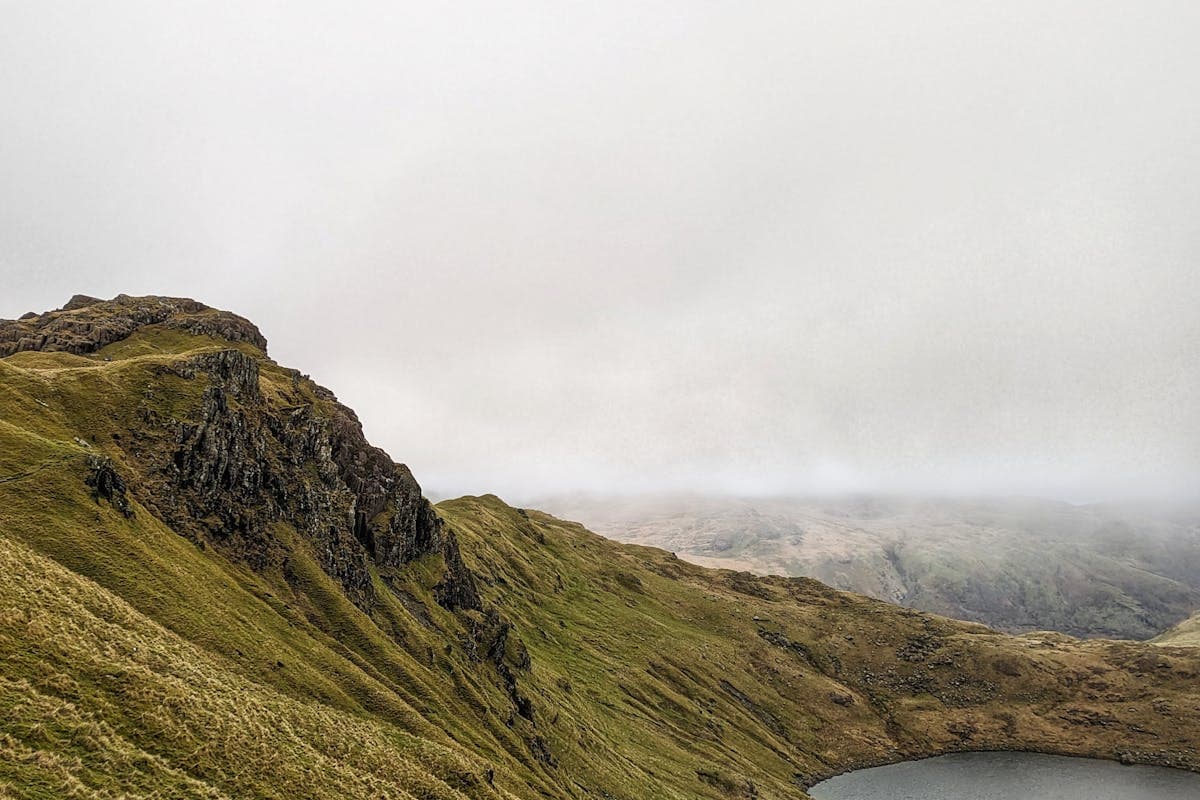
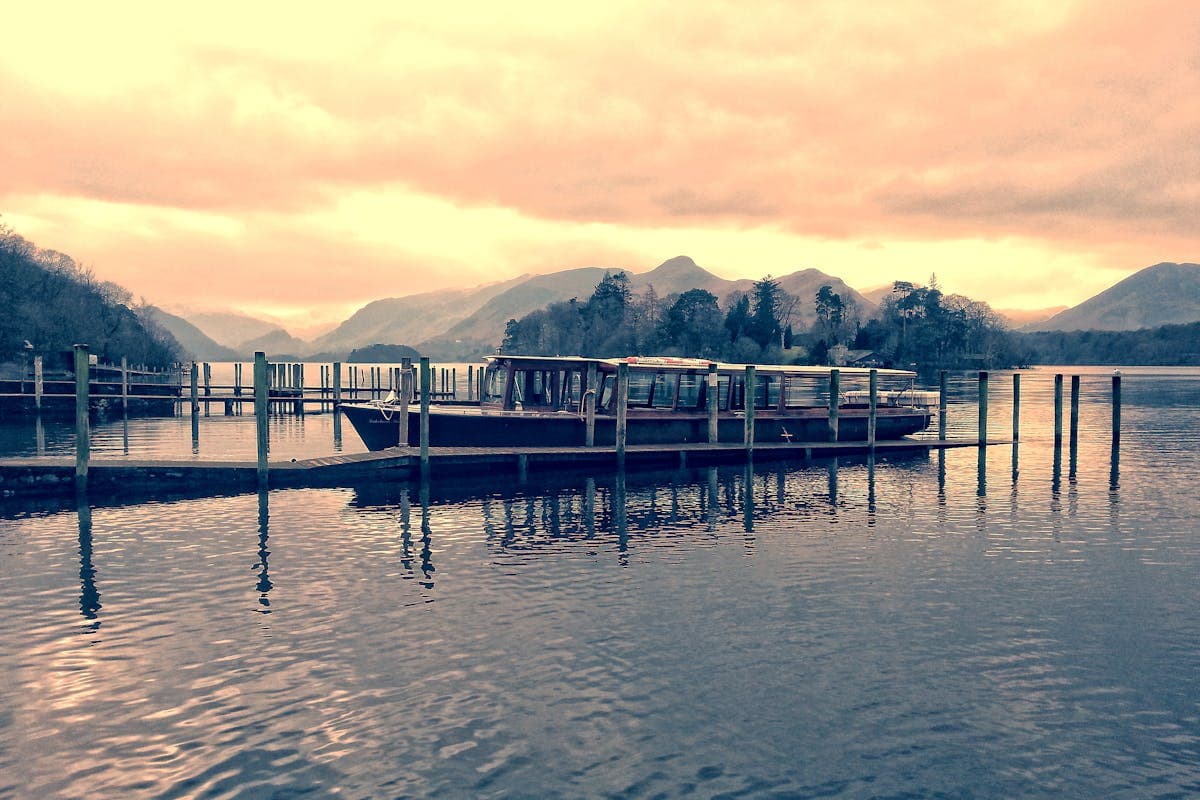
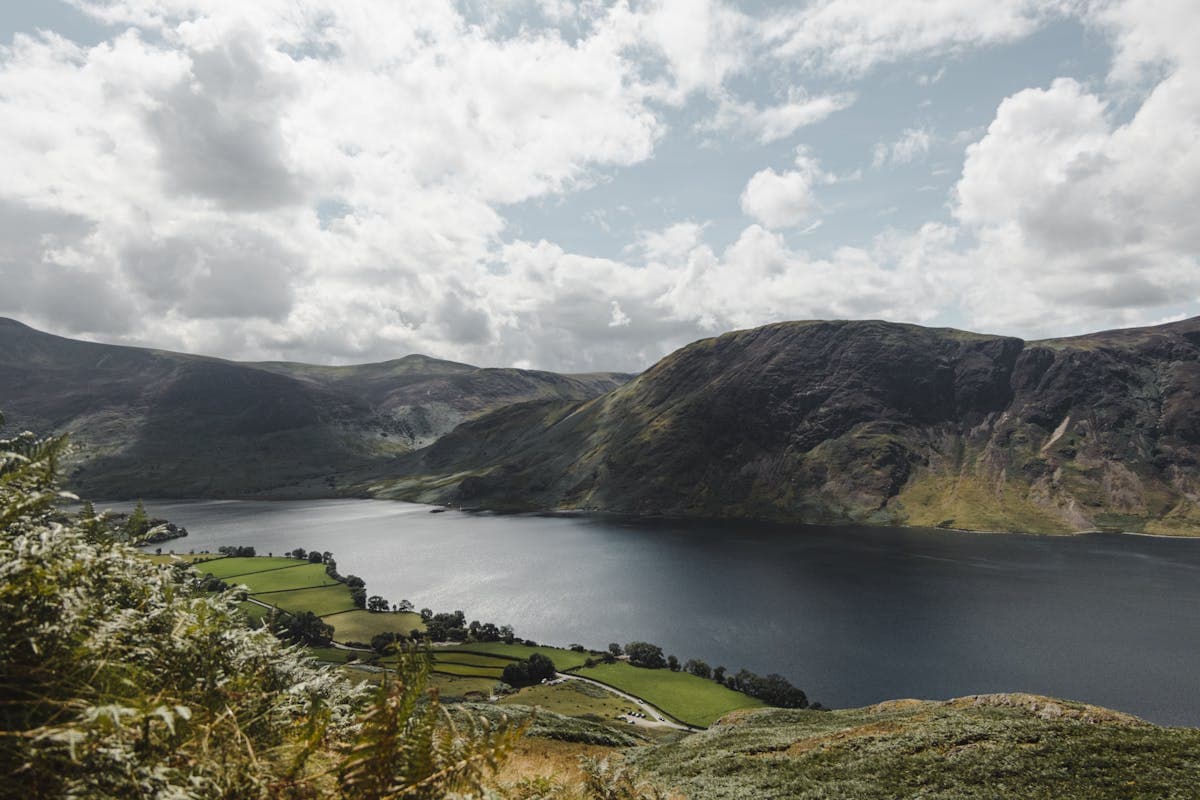
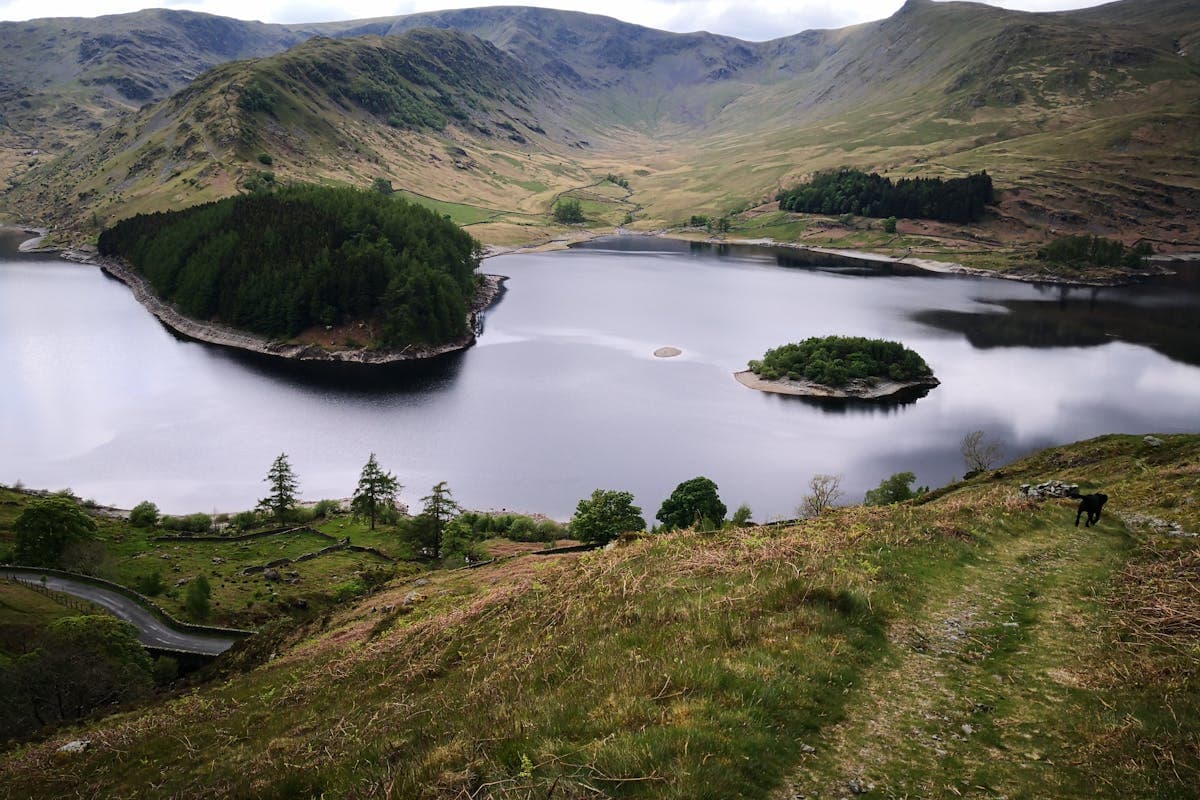
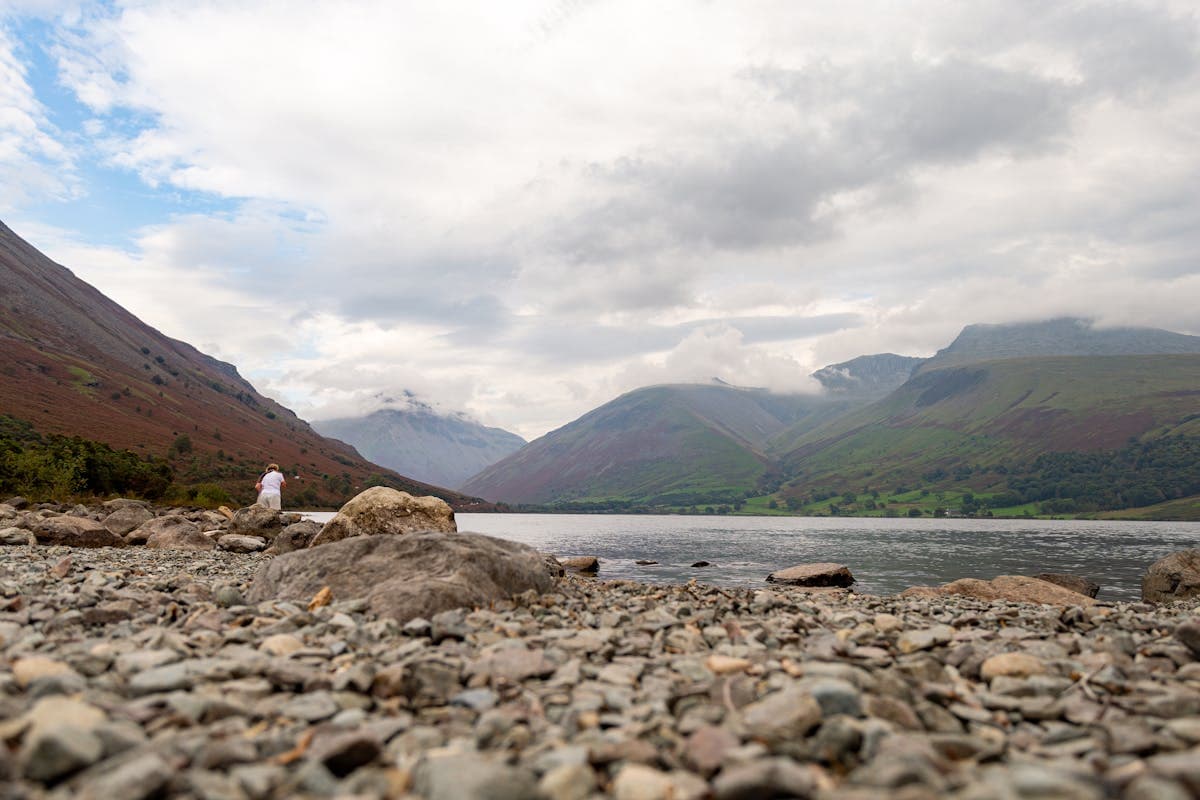
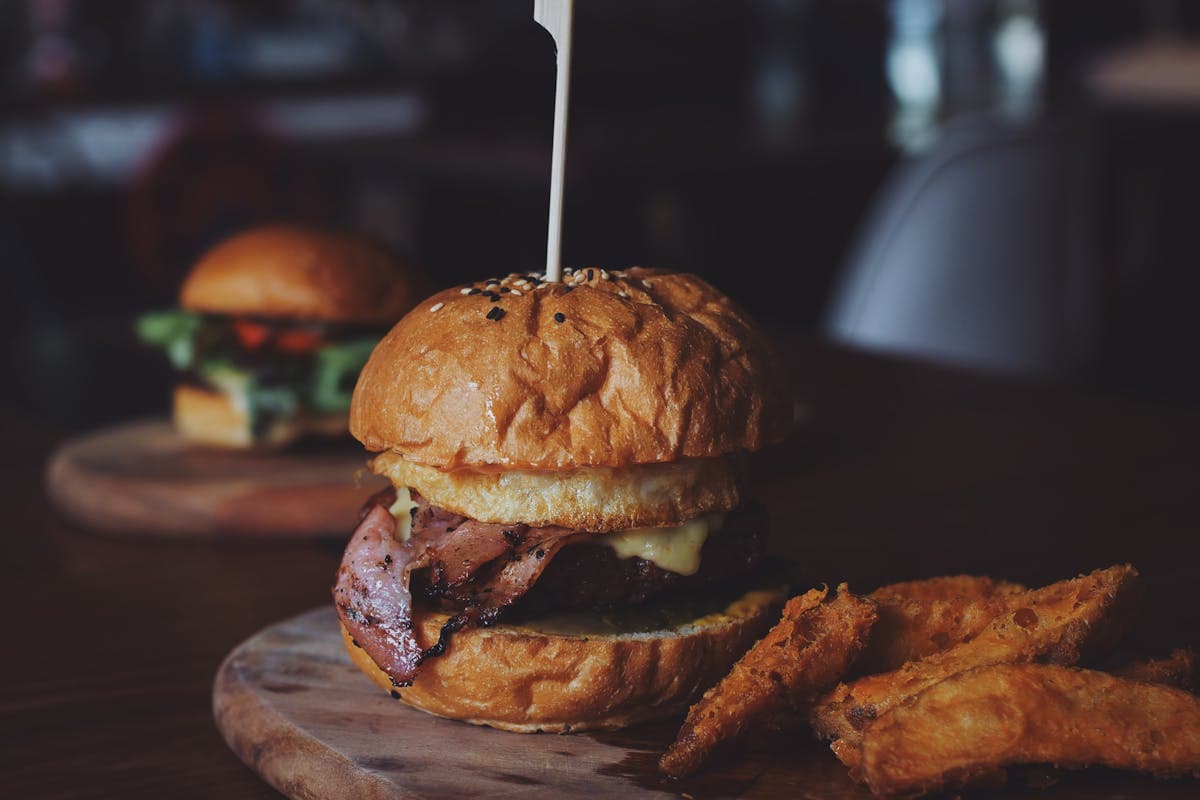
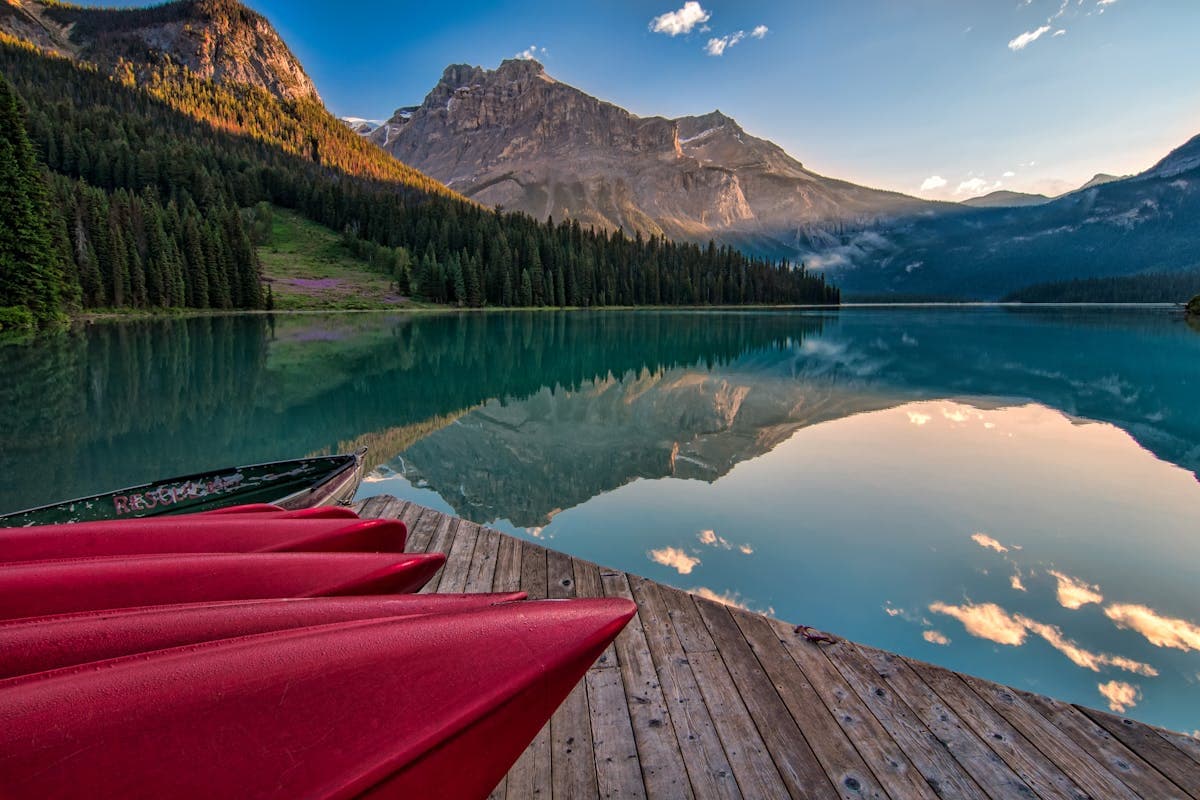
Cold water in some form, whether the Heath ponds, the Brighton sea, or a hill lake in the Lake District. The cold-water effect on mood and nervous system is well-documented and immediate. Moving for long enough that you stop thinking about your to-do list (typically 45–60 minutes minimum). Eating things that are genuinely nourishing rather than just presented as if they are. Sleeping in a room that's dark and cool.
The structural things
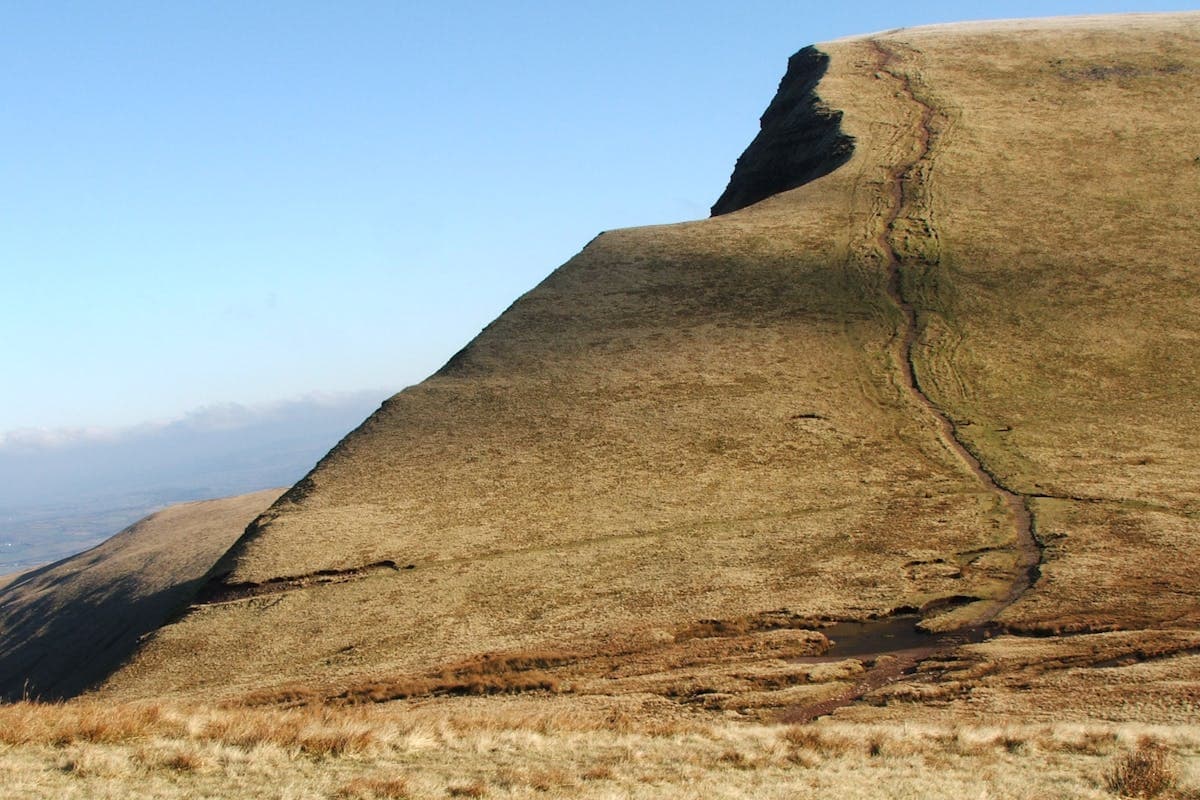
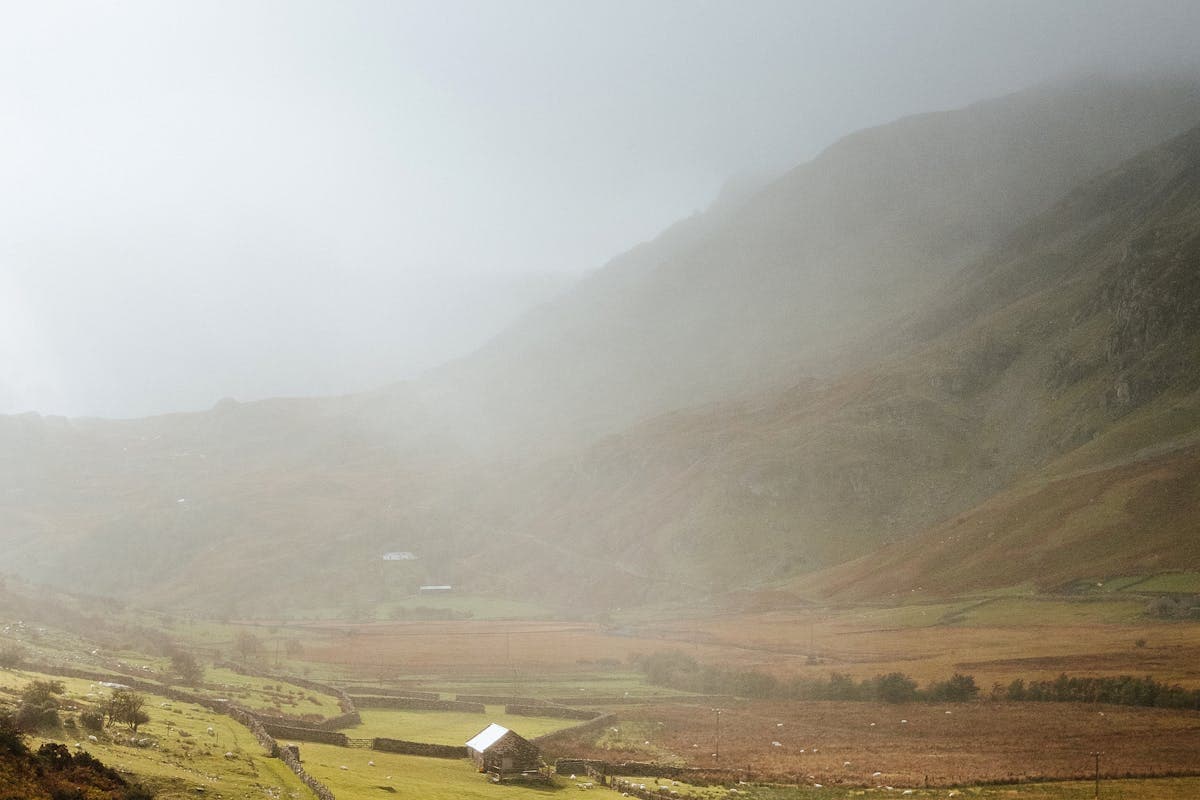
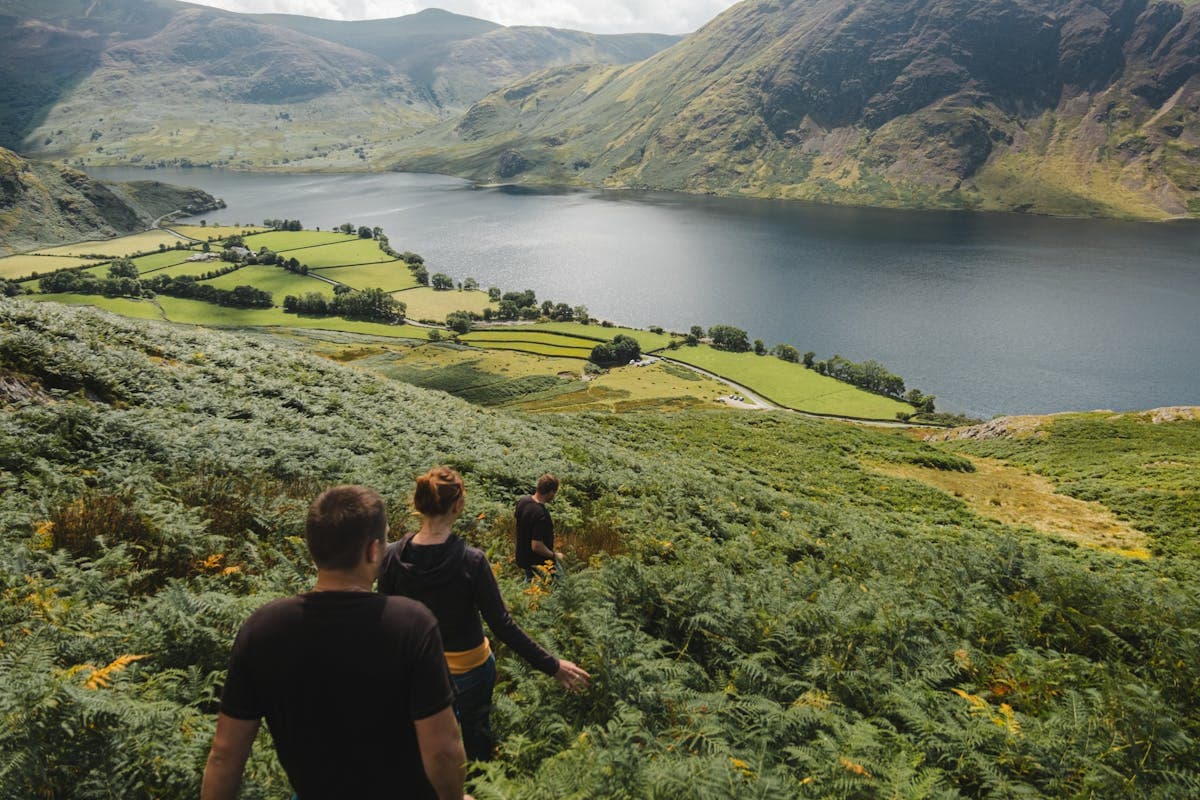
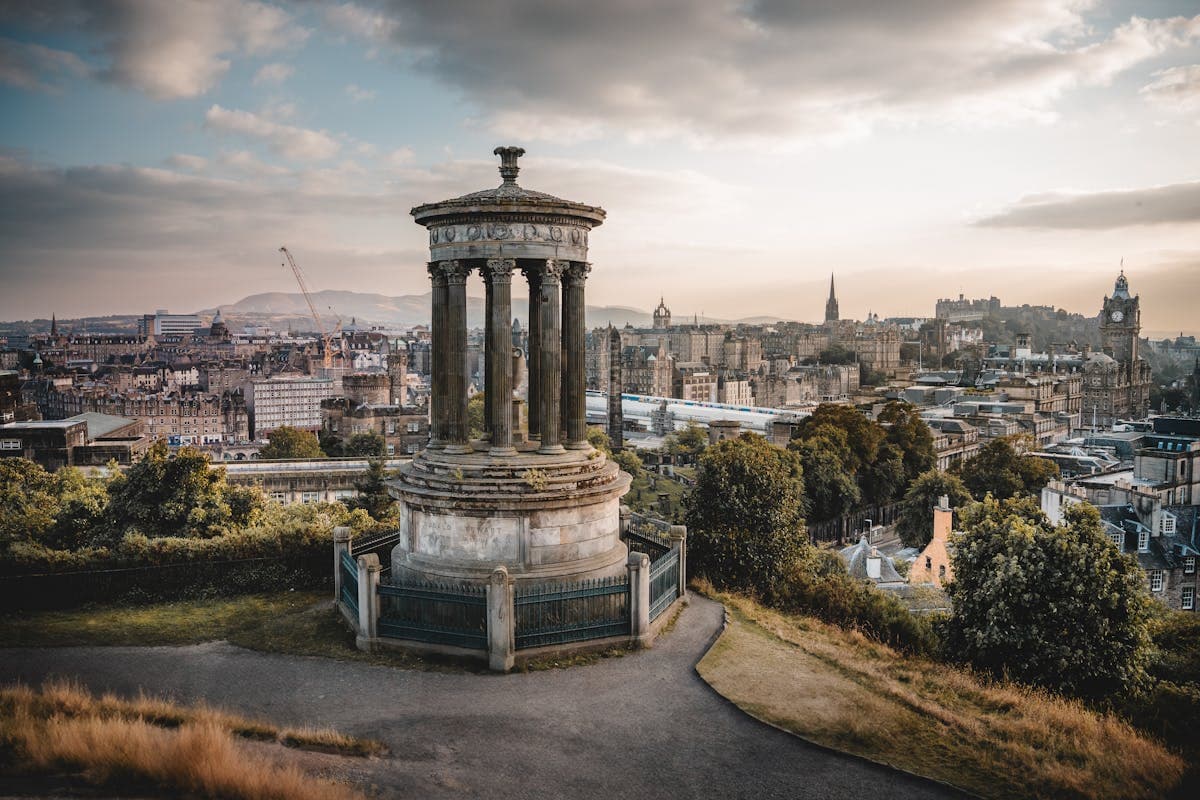
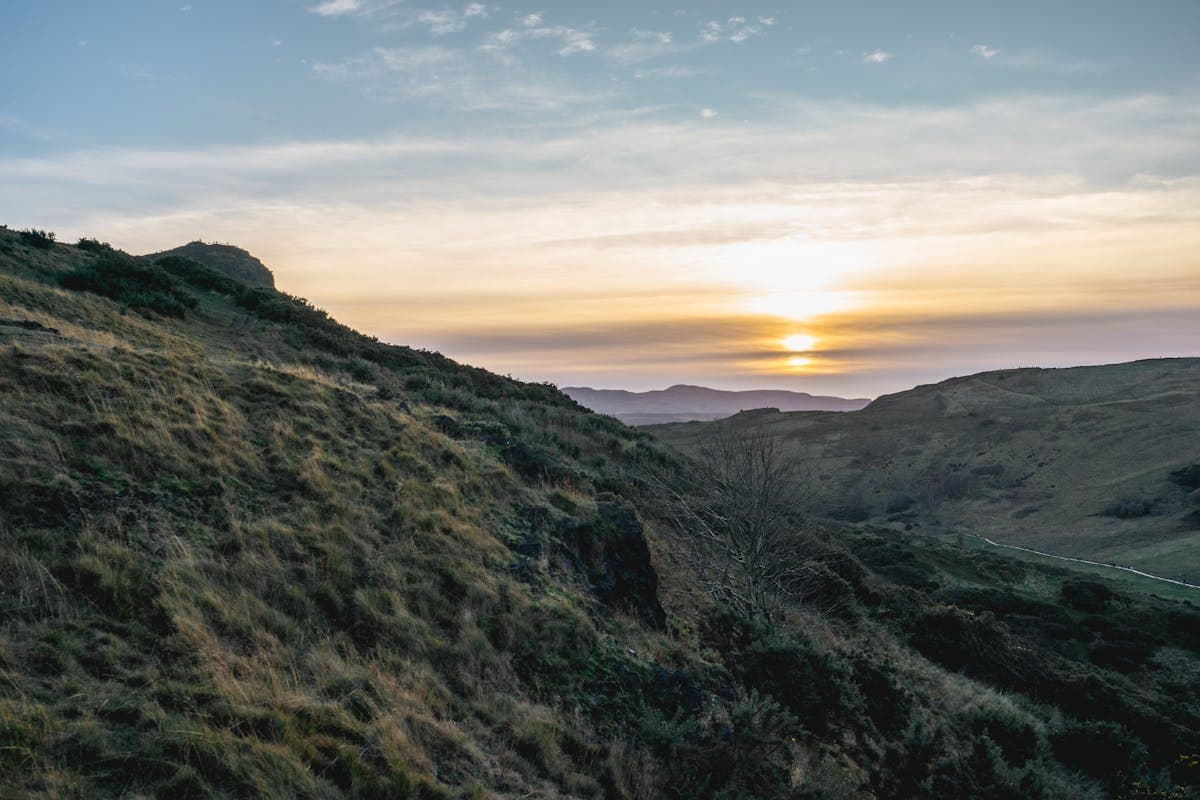
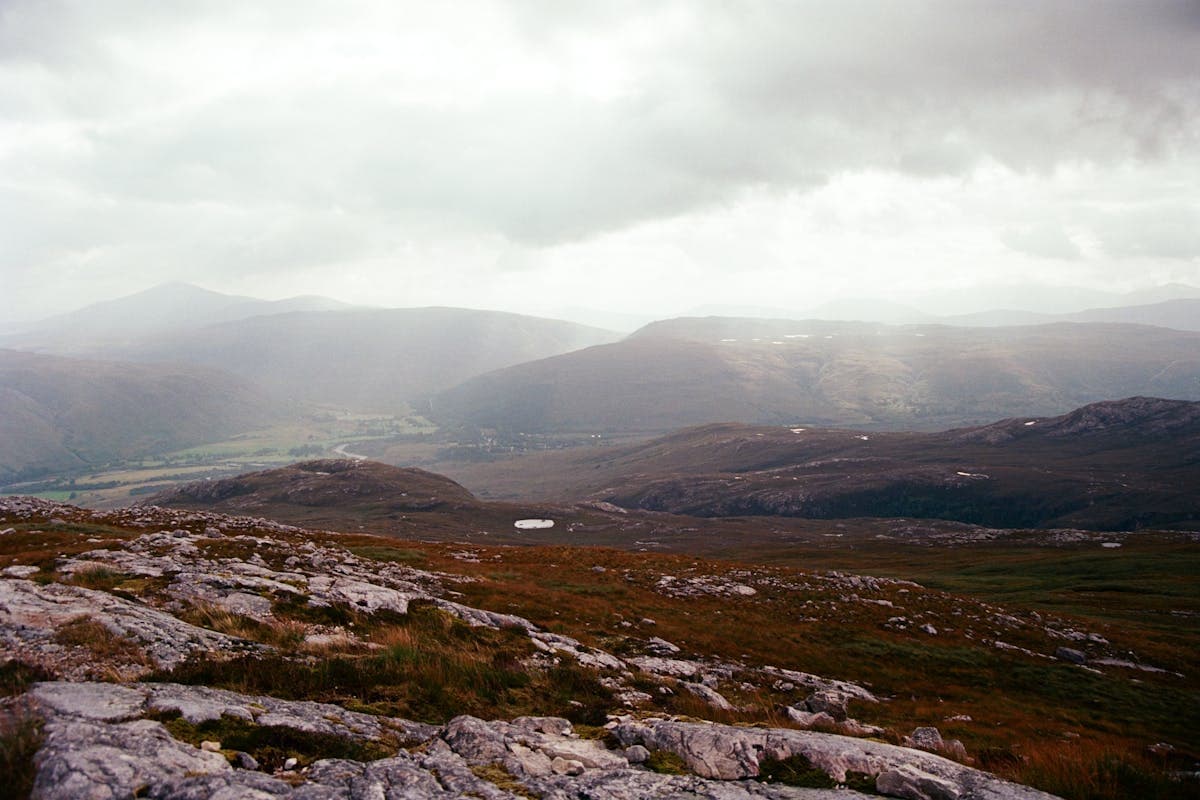
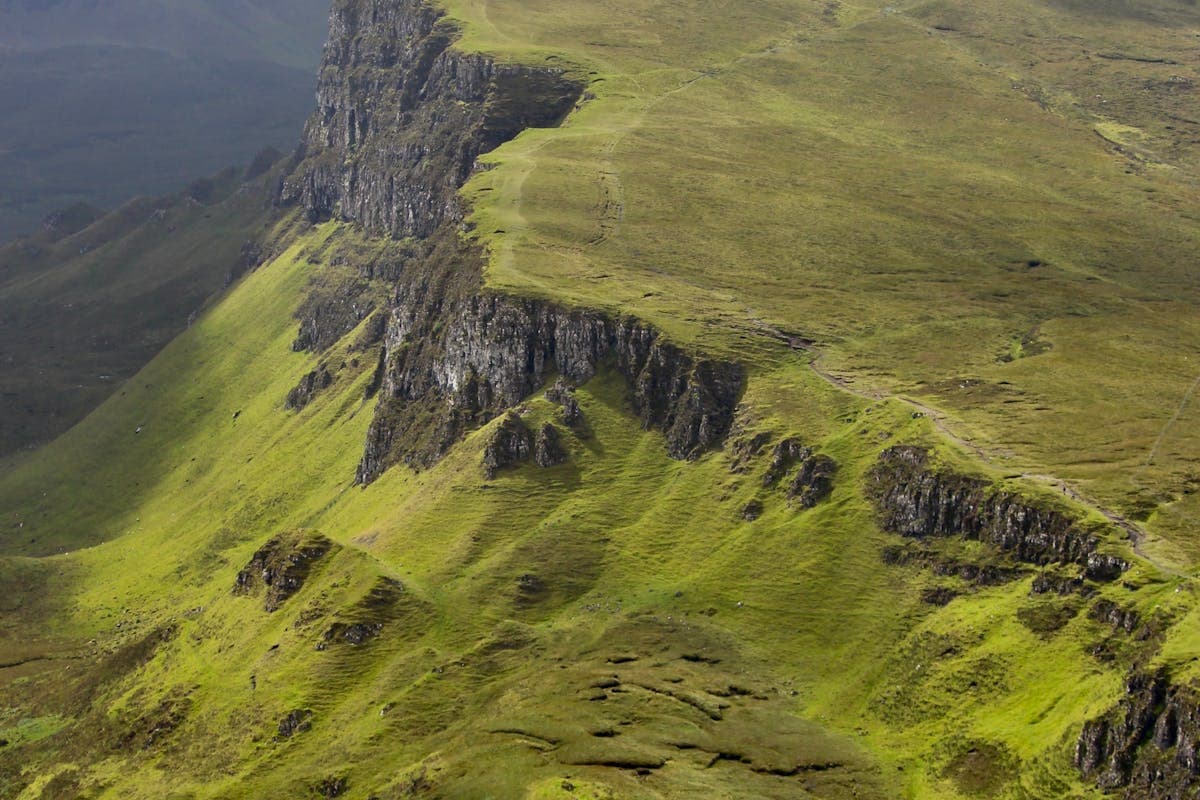
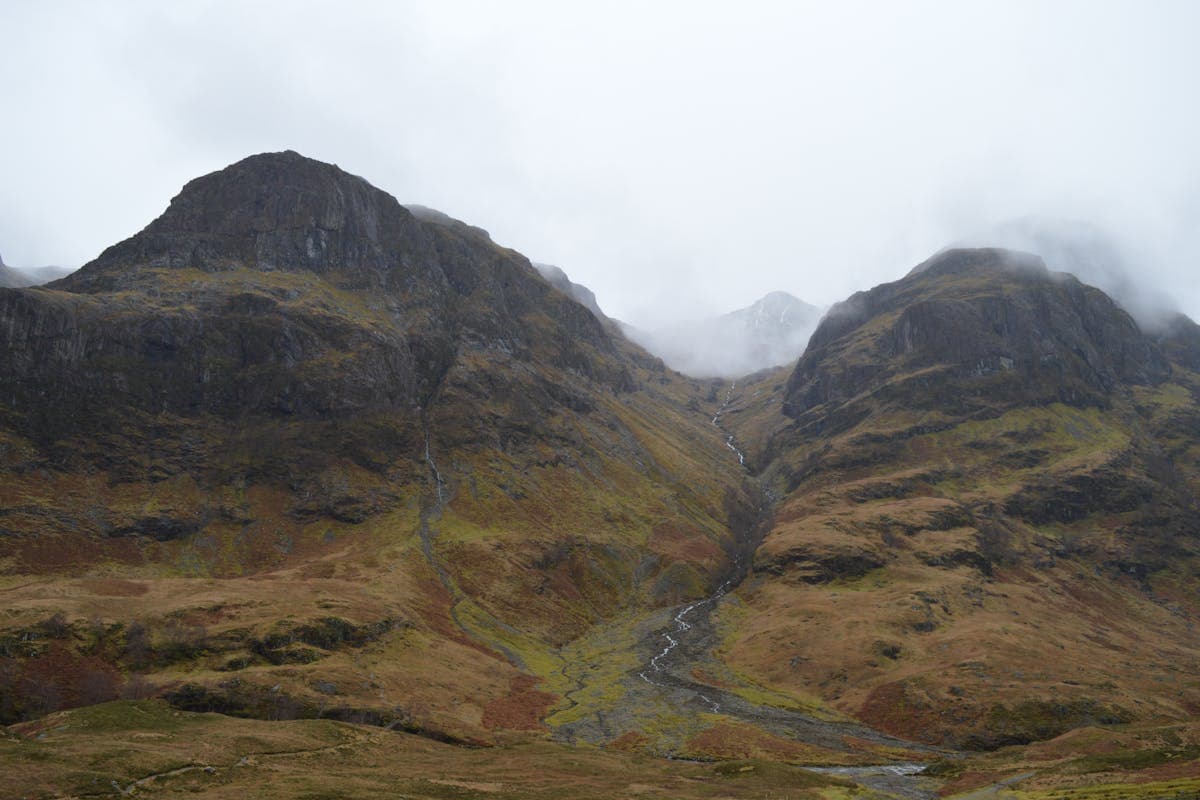
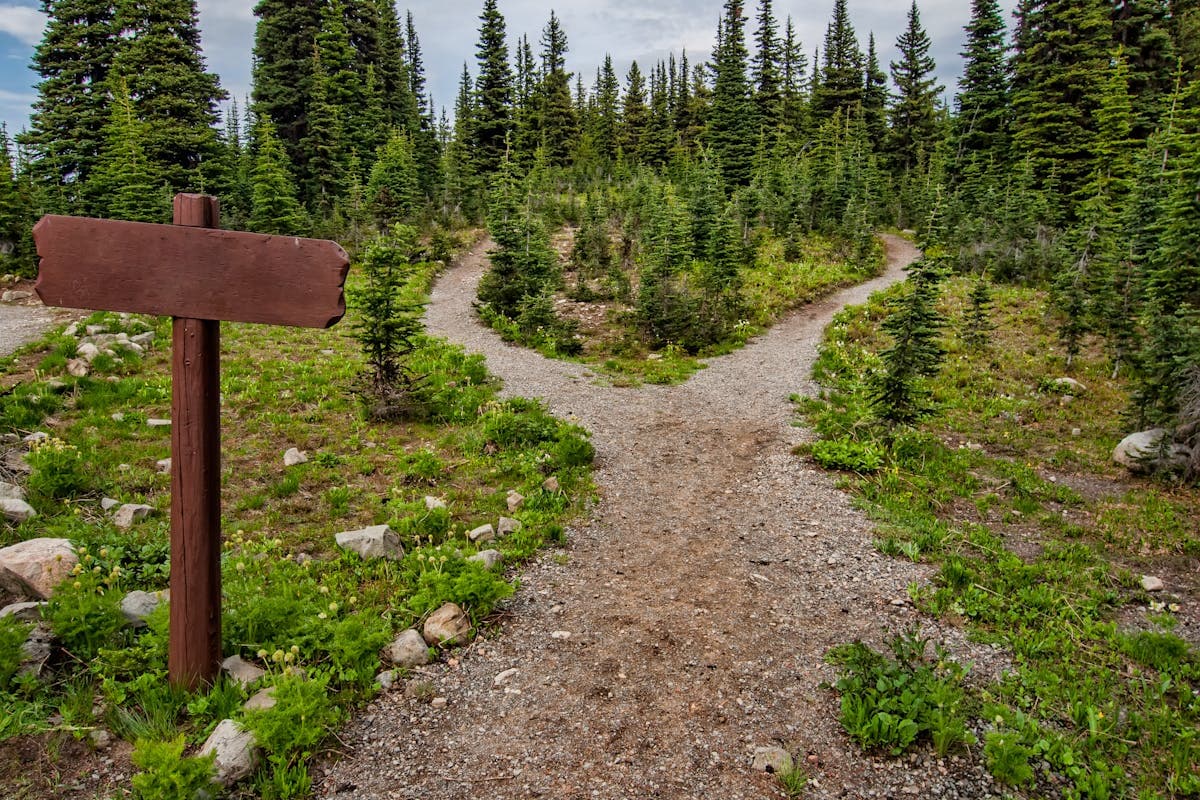
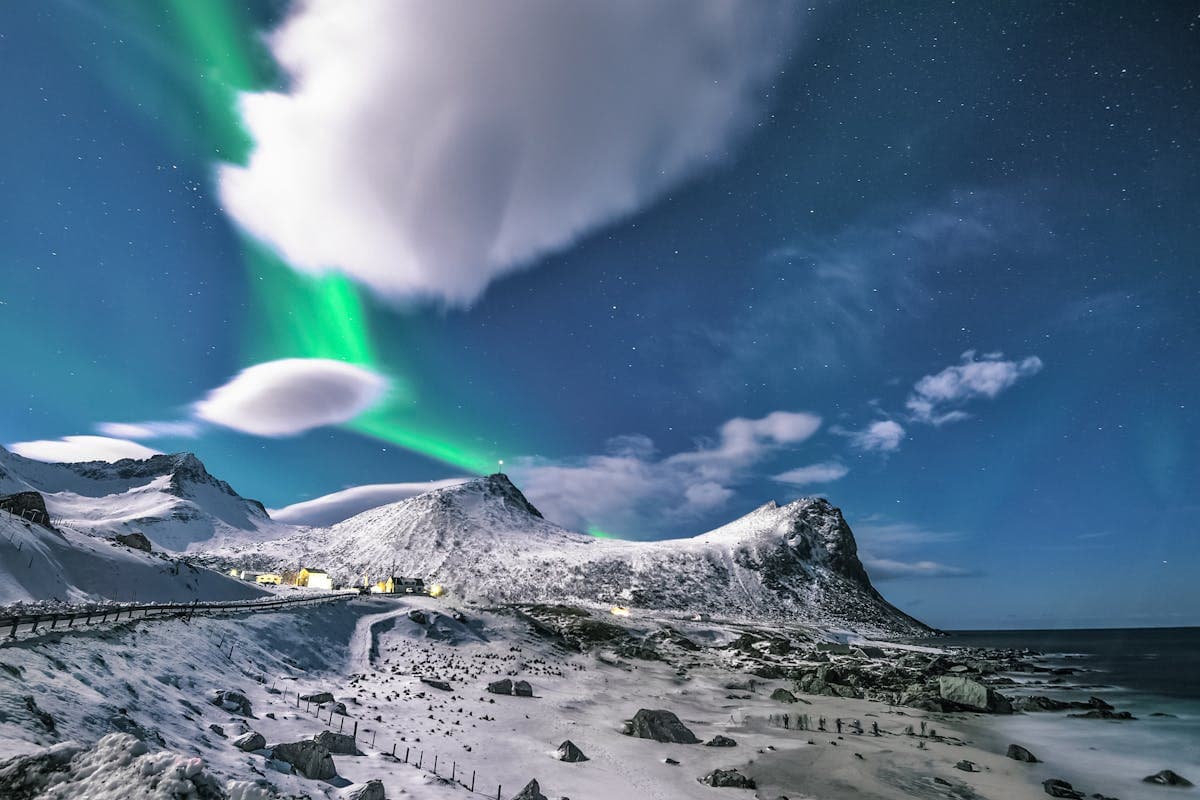
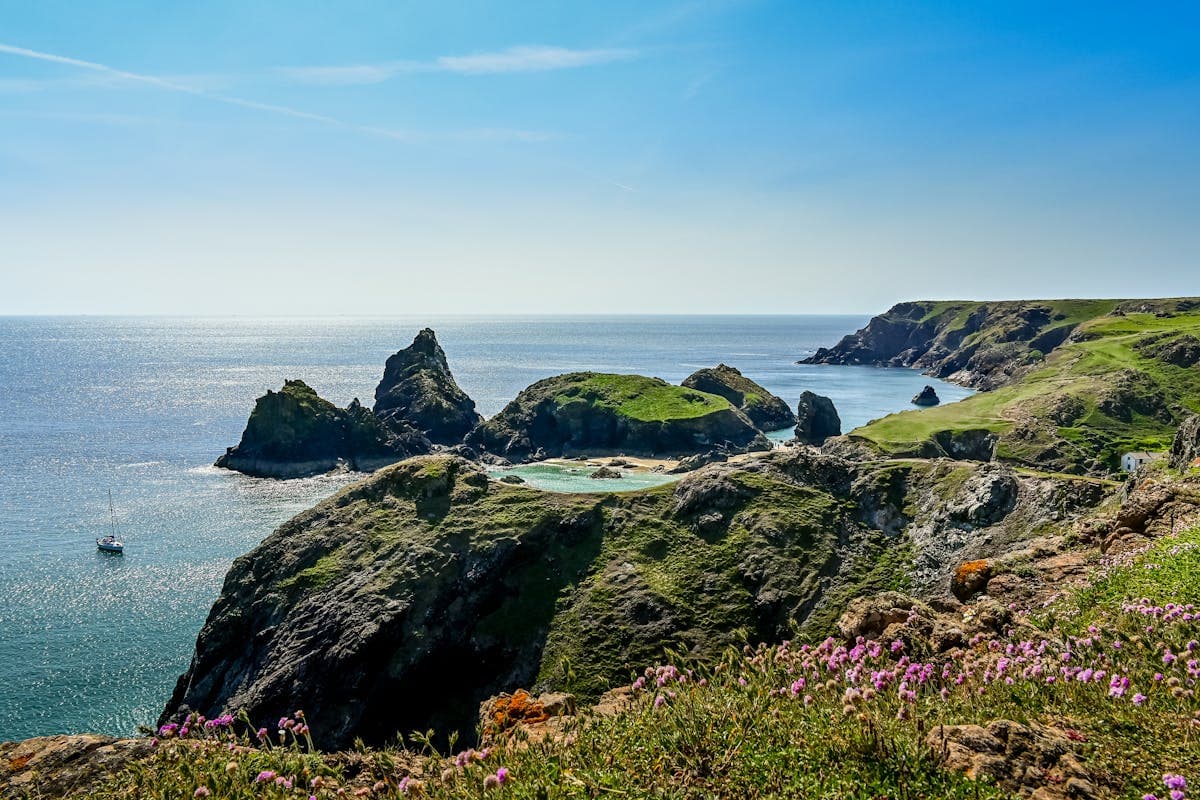
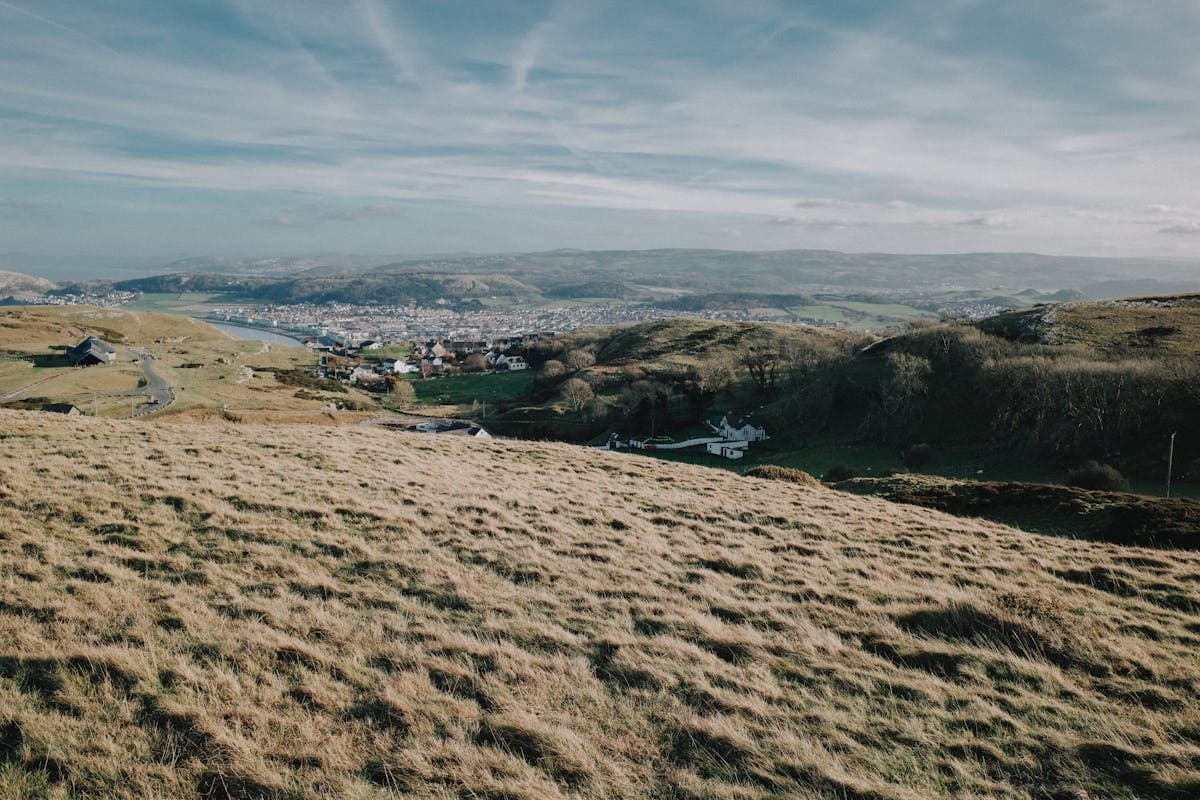
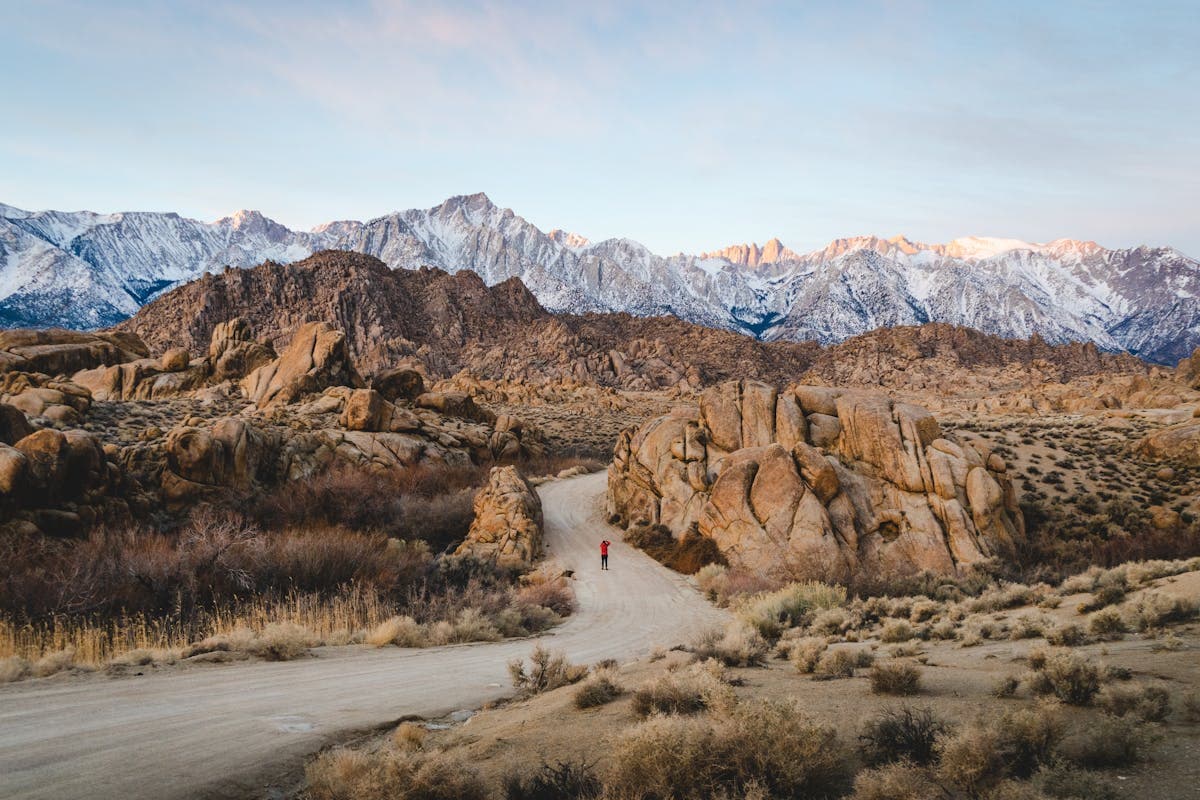
A wellness day works best when it's protected. Not checking emails from the café. Not building in a "quick call" between the swim and the walk. The wellness destination that's inaccessible enough to require presence. Arthur's Seat, Kynance Cove, the high fells, tends to be a better wellness experience than one you can reach while still checking your phone.
What to avoid
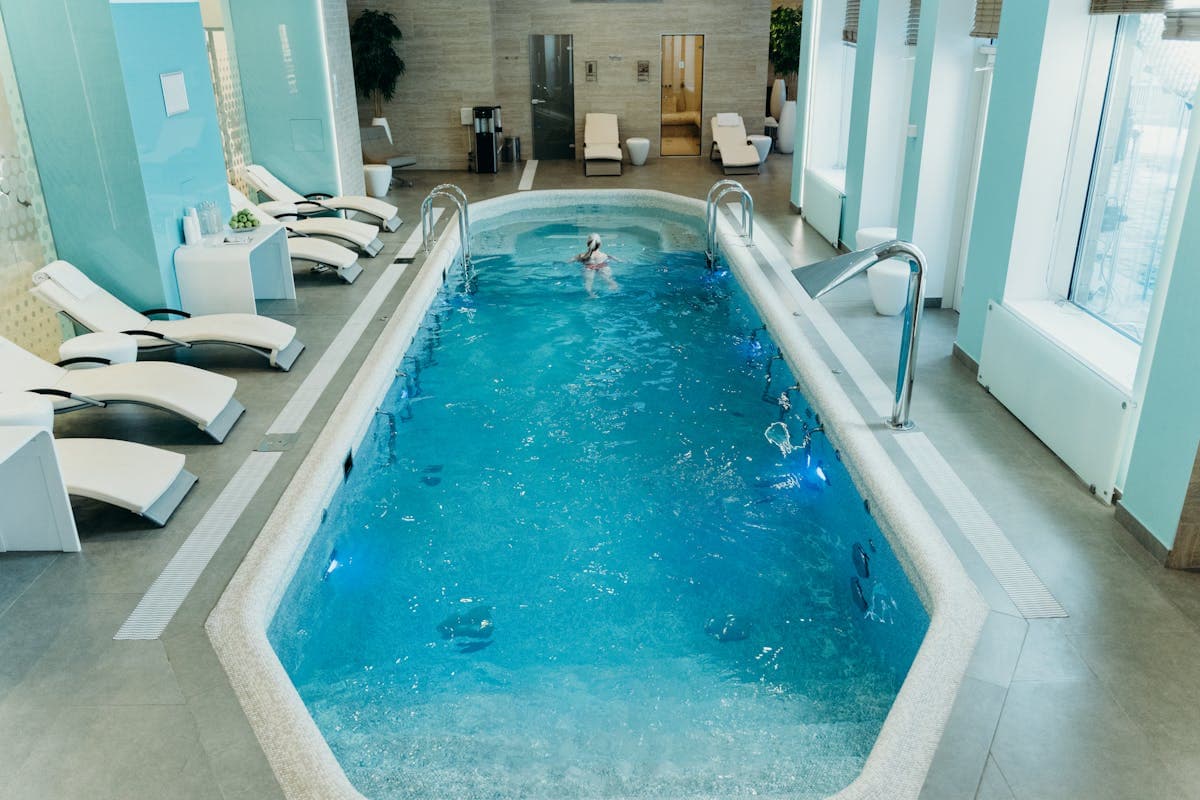
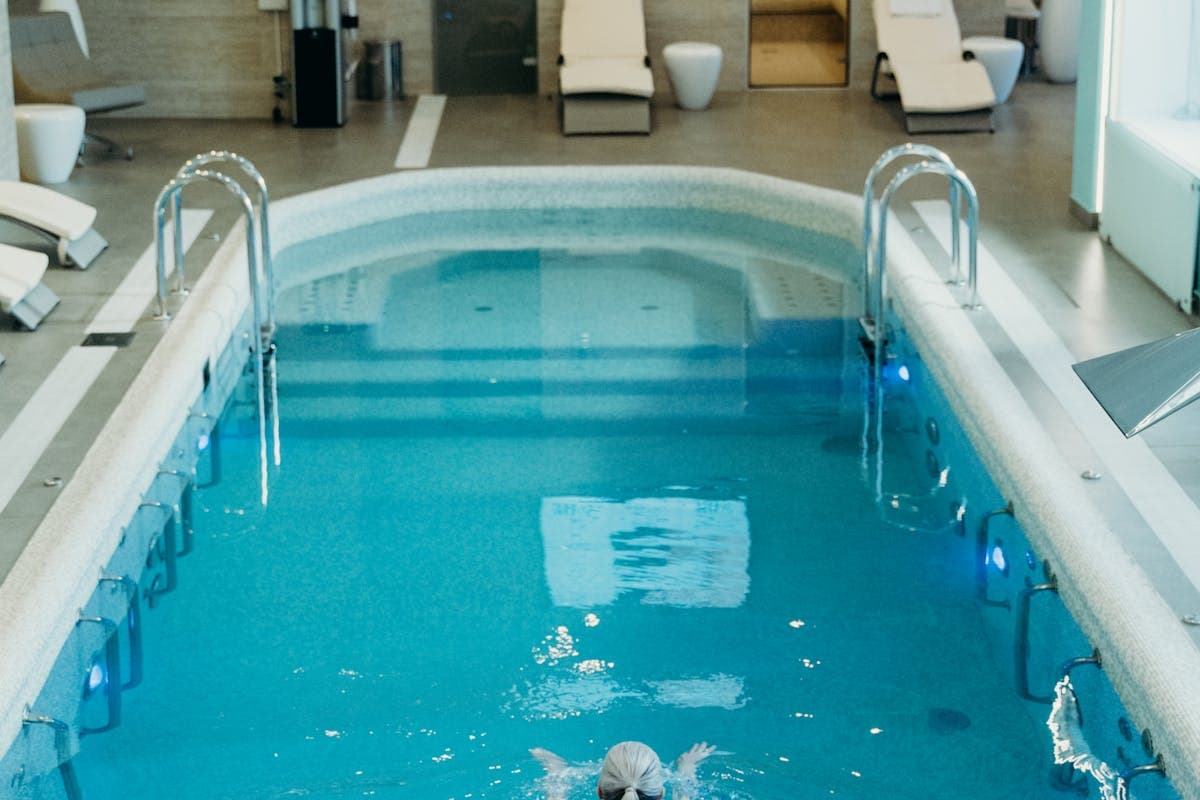
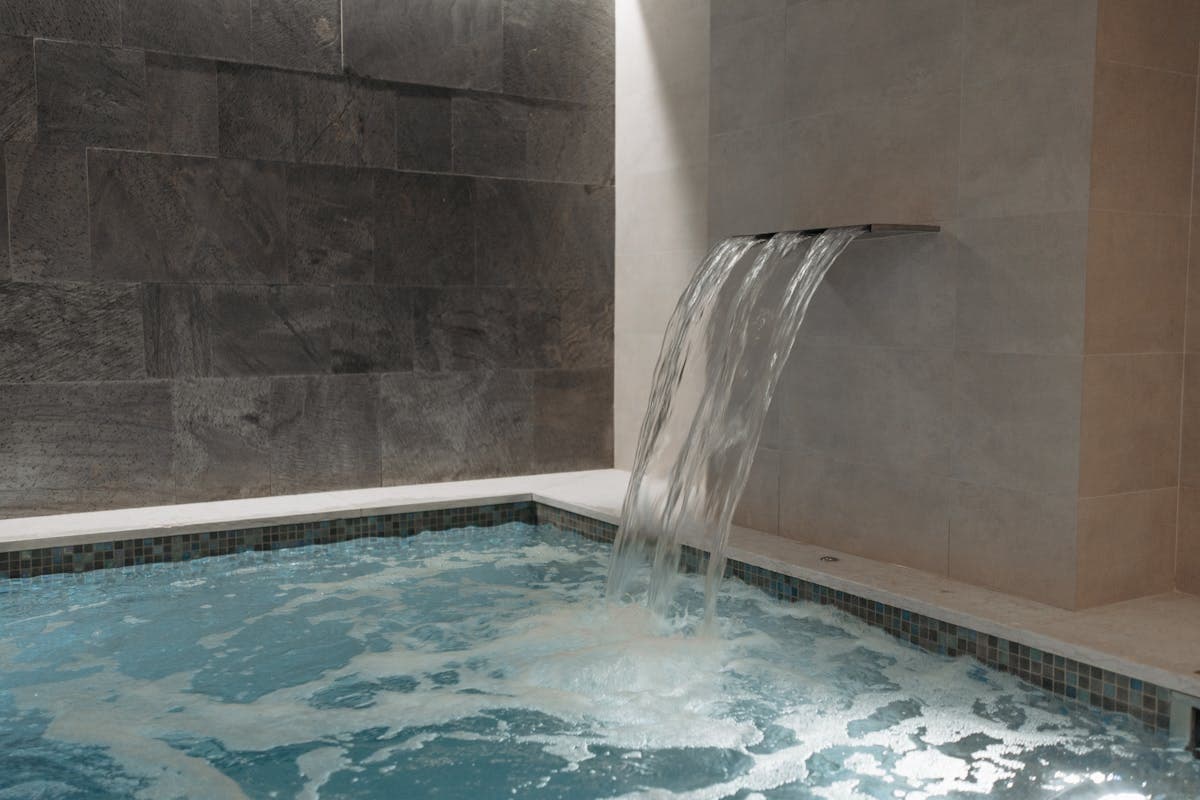
Expensive passive wellness, the treatment where you lie there and wonder if you feel different yet. The elaborately designed "wellness space" that's primarily about the photography. The workshop you don't actually want to be in but booked because it sounded right.