Introduction
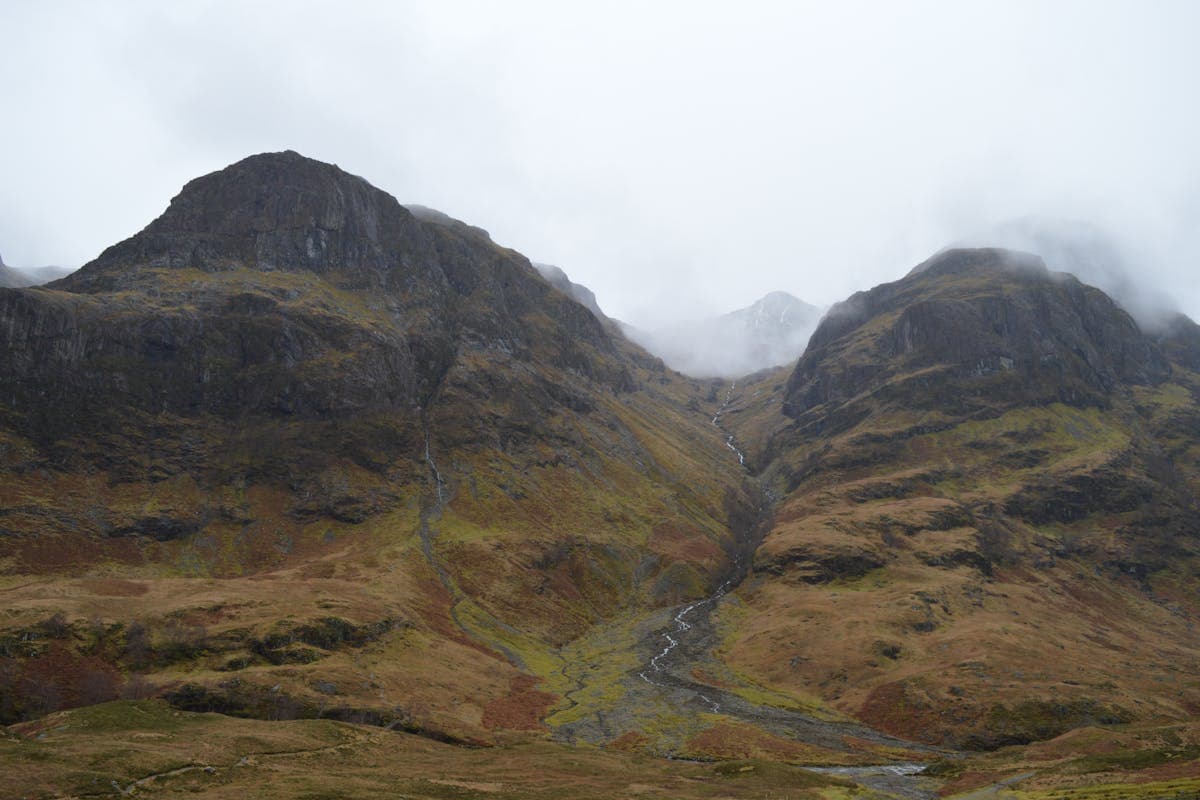
Skye earns its reputation. The landscape is genuinely unlike anywhere else in Britain, the Cuillins are proper mountains, jagged and black, rising straight from moorland that has the colour and texture of something from another planet. The northern Trotternish Peninsula adds geology that looks like a film set: stacked basalt columns, landslipped plateaux, and rock formations given names because they needed names. None of this is exaggerated.
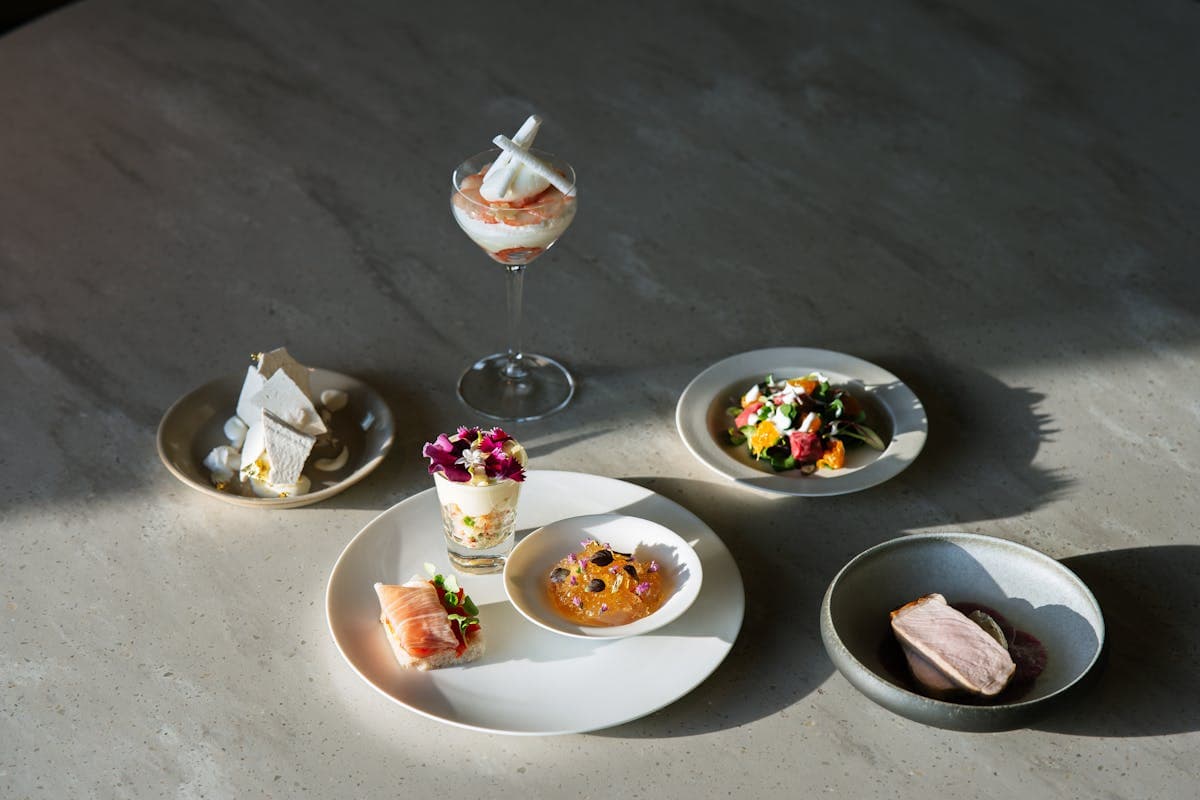
The island rewards slower travel. The main sites. Storr, the Fairy Pools, Neist Point, get crowded by mid-morning in summer; get there early or stay late. Away from those, there are sea lochs, hidden beaches, and villages where the pace drops to somewhere close to nothing. The food, anchored by places like The Three Chimneys and Edinbane Lodge, has become genuinely excellent. Come for the landscape, stay longer for everything else.
Getting There
The Skye Bridge connects the island to Kyle of Lochalsh on the mainland, it's a road bridge, no toll, driving is the most practical way to explore. By train, Kyle of Lochalsh station is served from Inverness (2.5 hours), one of the UK's great railway journeys. From Glasgow, allow around 3 hours by car or a combination of train and local bus. There is no airport on Skye.
Neighbourhoods to Know
Portree is the main town, harbour, shops, restaurants, a base for exploring the north of the island.
Trotternish Peninsula covers the dramatic north. Old Man of Storr and Quiraing are both here.
Glen Brittle and Dunvegan cover the west. Fairy Pools, Dunvegan Castle, and Neist Point lighthouse.
Sleat in the south is the quietest and greenest part of the island, often called the Garden of Skye.