Introduction
Manchester doesn't sell itself on charm in the way that Edinburgh or Bath might. It's a post-industrial city that rebuilt itself through culture, music, sport, and a sustained creative energy that has made it one of the more interesting places in the UK to spend a weekend. The red brick, the rain, the flatness, these aren't deficits. They're the texture of the place.
The food scene has developed rapidly in the past decade. Ancoats in particular has become a destination in its own right, a converted industrial neighbourhood with a handful of genuinely excellent restaurants that would hold their own in London or any European city. The Northern Quarter remains the indie heart of the city. Rusholme's Curry Mile offers some of the best South Asian food in England.
And Manchester is affordable. Significantly more so than London for accommodation, food, and drink, a proper weekend here, eating and drinking well, costs noticeably less.
Getting There
Manchester Airport (MAN) is the largest airport in the UK outside London, with direct connections to Europe, North America, and beyond. The Metrolink tram runs directly from the airport to the city centre in about 25 minutes.
By train, Manchester Piccadilly is the main station. London Euston to Manchester is 2 hours 8 minutes on the fastest service (Avanti West Coast). Leeds, Liverpool, Sheffield, and Birmingham are all under an hour.
Getting Around
The Metrolink tram network is the most useful public transport for visitors, it connects the city centre, the Northern Quarter, Ancoats, and extends to Salford, Didsbury, and the airport. Buses cover the gaps. The city centre is compact enough to walk most of it.
The cycling infrastructure is improving but still patchy. Bee Network hire bikes are available for short hops.
Neighbourhoods to Know
Northern Quarter is the creative and independent heart, record shops, vintage clothing, coffee, craft beer, music venues, and a density of independent food and drink that makes it the natural base for a first Manchester visit.
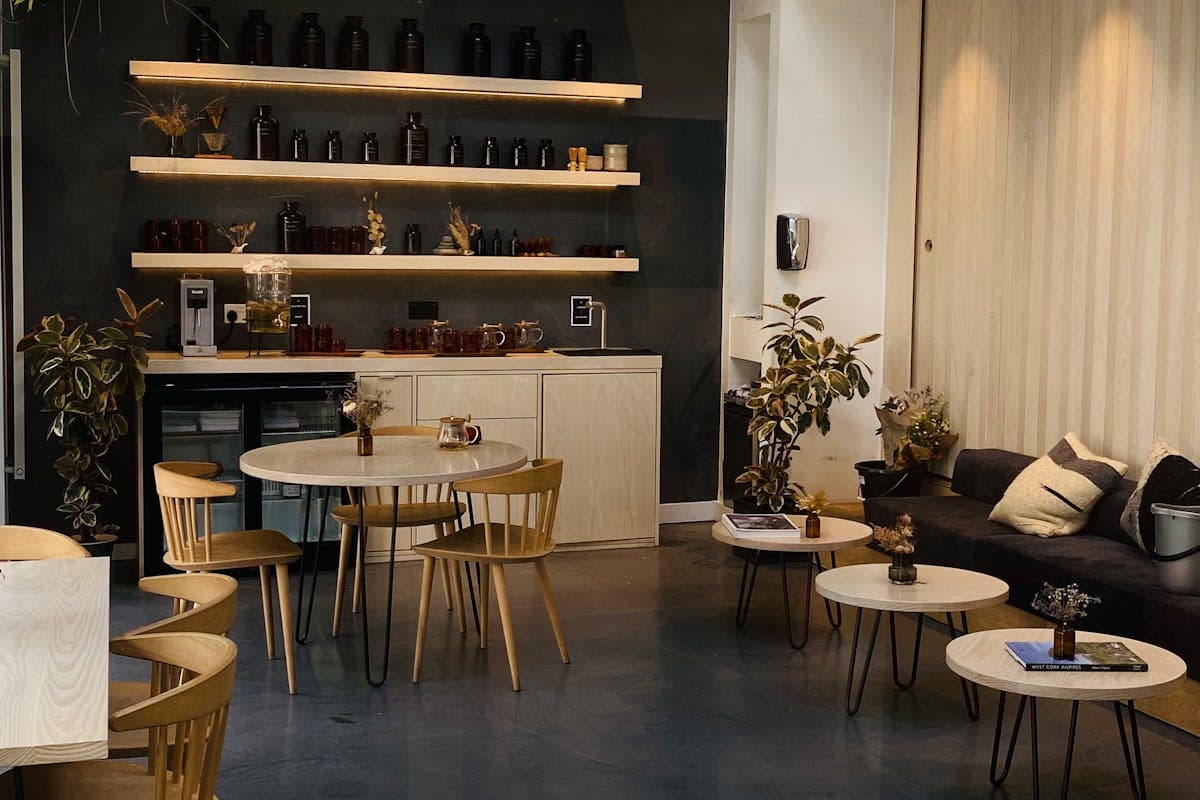
Ancoats is the neighbourhood that has changed most in the past decade. A former industrial district of Victorian cotton mills and warehouses, now home to serious restaurants (Elnecot, Mana, Elnecot), good cafés (Ancoats Coffee Co.), and the Cutting Room Square, the social hub of the area.
Spinningfields is the corporate/financial district that, despite itself, has some good bars and restaurants in the Harvey Nichols building and surrounds. The Castlefield area nearby has some of Manchester's most dramatic Victorian industrial architecture.
Rusholme and Levenshulme on the southern corridor offer the city's most diverse food and the Curry Mile, worth the 20-minute bus ride for dinner.
When to Visit
May to July for the best weather. Manchester's reputation for rain is only slightly exaggerated, but summer can be genuinely warm and sunny. The city doesn't slow down in winter and the bar and restaurant scene is year-round, but outdoor activities suffer.
Festival season: Manchester has a year-round events calendar, check what's on at the Warehouse Project (autumn), Manchester International Festival (summer), and various neighbourhood food and music events.
Practical Notes
- Accommodation is significantly cheaper than London, even at the same quality tier.
- The Metrolink day ticket covers most of what you'll need centrally.
- Food and drink prices are noticeably lower than London.
- The city is walkable for most Northern Quarter/Ancoats itineraries.
- Ancoats is safest reached on foot from the city centre, it's about 15 minutes from Piccadilly through the Northern Quarter.