Introduction
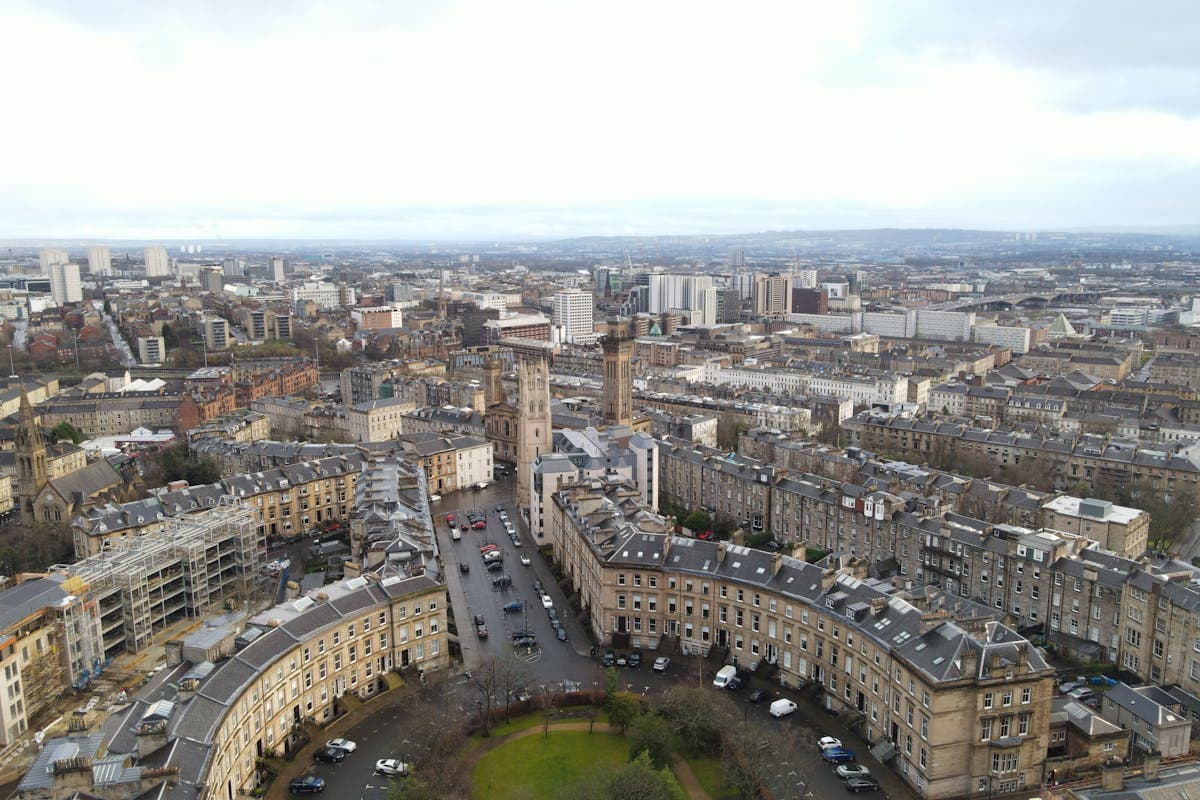
Glasgow is the city that surprises everyone who hasn't been. It has an undeserved reputation as Edinburgh's rougher sibling, but what it actually is, is warmer, more alive, and significantly less precious about itself. The architecture is extraordinary, red sandstone Victorian terraces, Charles Rennie Mackintosh buildings scattered across the city, the sheer civic ambition of George Square and the City Chambers, and underneath all of it is a city that genuinely enjoys itself.
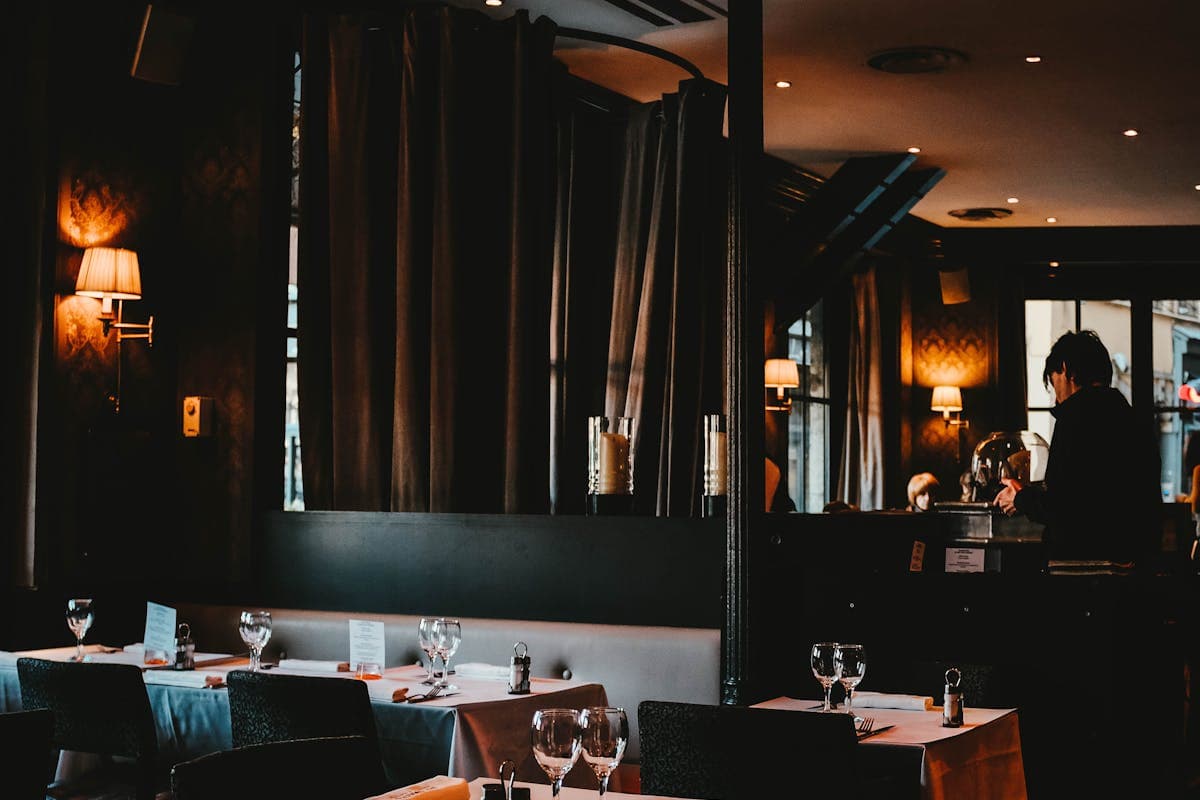
The food and drink scene is the story of the last decade. Finnieston went from industrial backwater to the most interesting strip of restaurants in Scotland. The West End has been good for longer. Byres Road and its surrounding streets are as good a version of independent urban life as you'll find anywhere in Britain. Come with an appetite and no fixed plans.
Getting There
Glasgow has two airports: Glasgow International (GLA), 8 miles west, connected to the city centre by the frequent 747 bus (30–40 minutes, £8). Glasgow Prestwick (PIK), 30 miles south, serves budget routes and connects by train to Glasgow Central (45 minutes). By train, Glasgow Central and Glasgow Queen Street are both in the city centre. Trains from Edinburgh take 50 minutes. Avanti West Coast connects to London Euston in about 4.5 hours.
Neighbourhoods to Know
West End is the city's most liveable quarter. Byres Road, the Botanic Gardens, Kelvingrove Park, and the university. Independent cafes, bookshops, and restaurants in every direction.
Finnieston sits just west of the centre along Argyle Street, the strip runs from the Clydeside to Kelvinhaugh Street and contains Glasgow's densest concentration of good eating and drinking.
Merchant City is the historic trading quarter east of the city centre, now full of bars, restaurants, and the weekend Barras market nearby.
East End is the grittier, more authentic counterpart, the Barras, Drygate Brewery, and the People's Palace on Glasgow Green.