Introduction
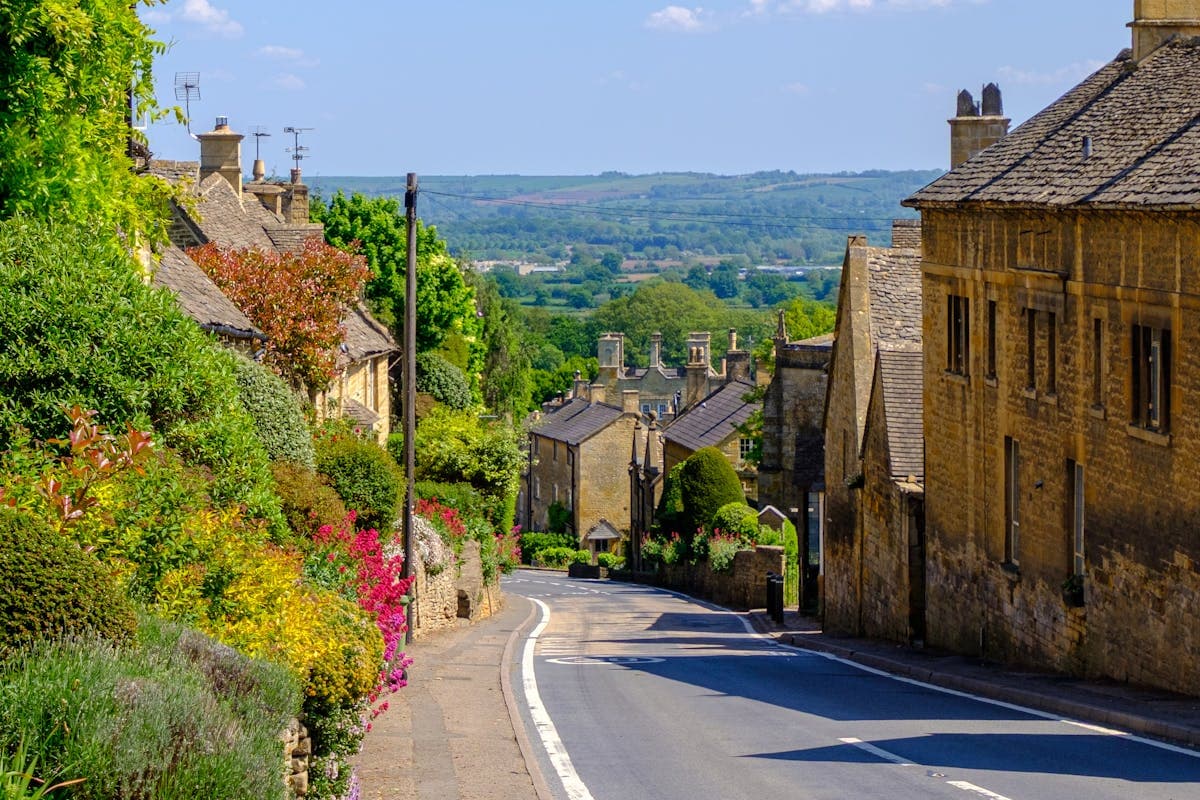
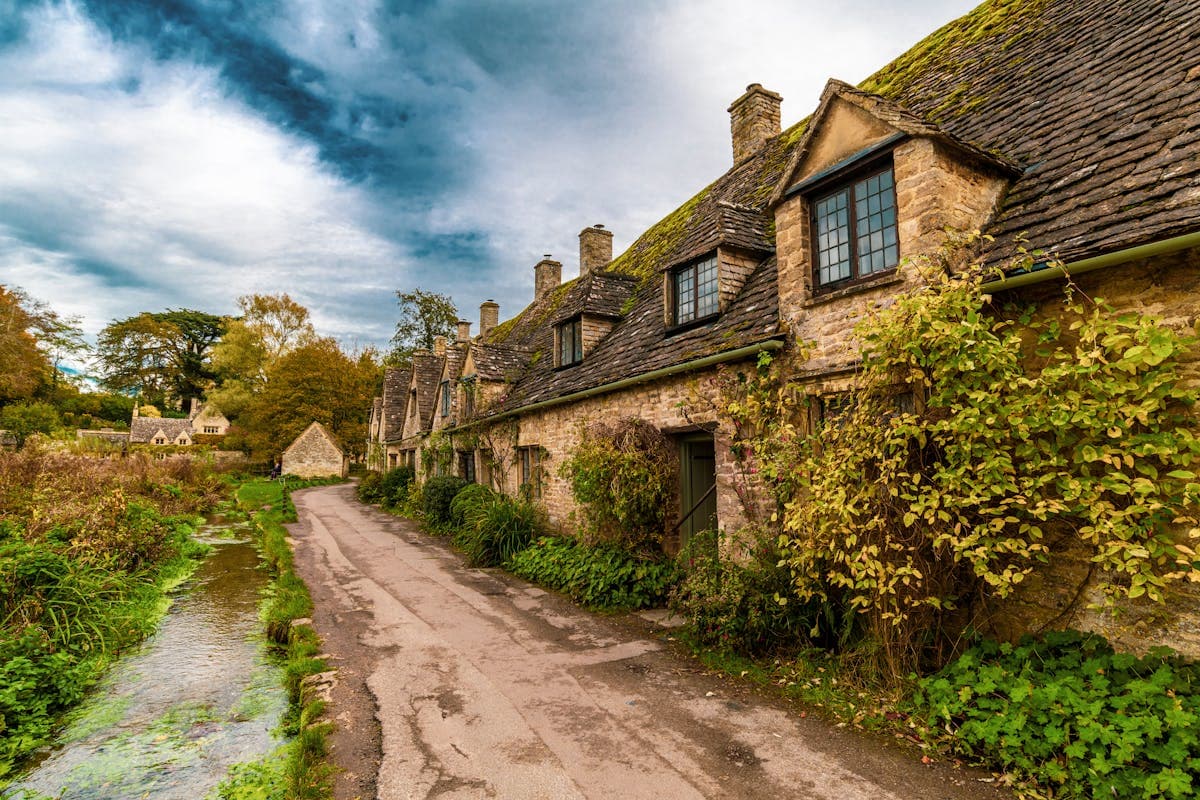
Bath is one of the most architecturally coherent cities in Britain, almost the entire centre is built in the same honey-coloured Bath stone to the same Georgian standard, making it feel like a single designed composition rather than a city that evolved organically. That uniformity could be sterile; instead it's extraordinarily beautiful, particularly in low autumn light or early morning before the day-trippers arrive. Underneath it all, literally, are Roman baths that have been steaming since the first century AD.
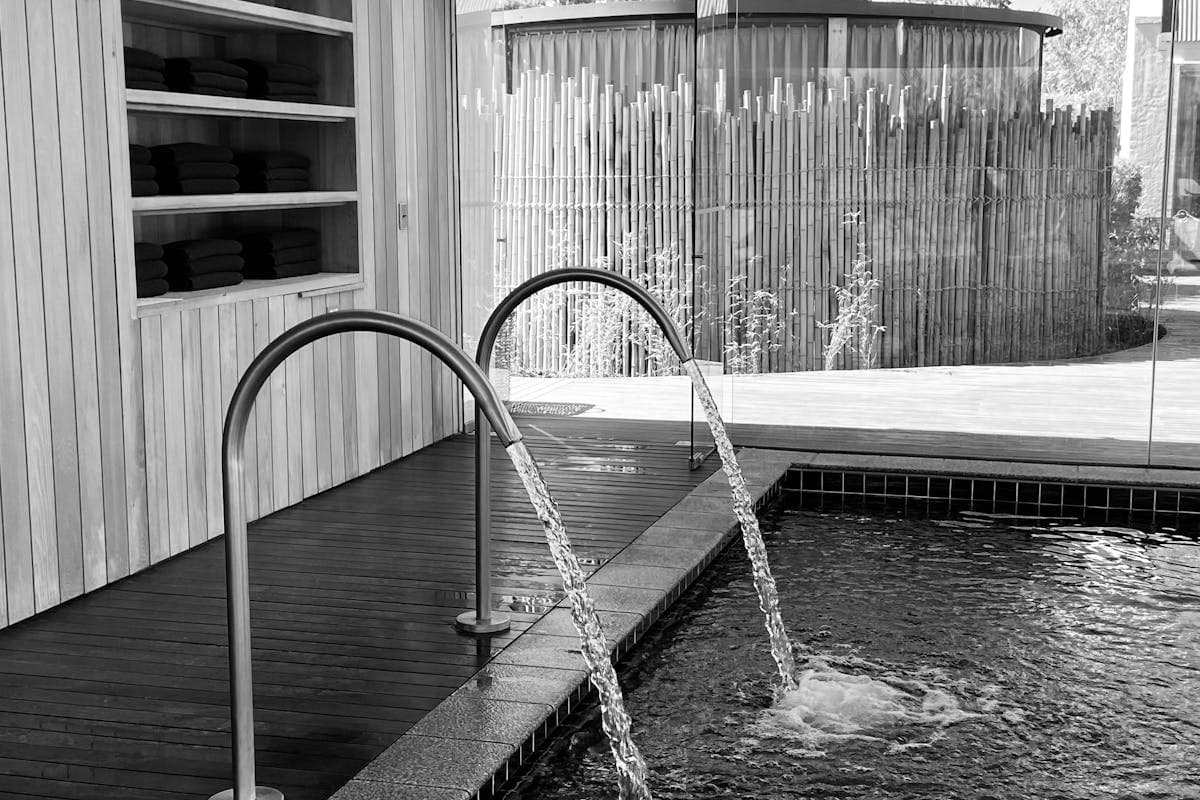
The city is small and genuinely walkable. Most people see the Baths, walk the Crescent, and leave, which means places like Prior Park, Walcot Street, and the farmers' market remain less crowded than they deserve. Thermae Bath Spa, the natural thermal pool on a rooftop above the Georgian roofline, is the city's most quietly remarkable experience. Book ahead.
Getting There
Bath Spa station is in the city centre, walking distance from virtually everything. From London Paddington, GWR trains run in about 1 hour 25 minutes. From Bristol, it's 15 minutes. There is no significant airport near Bath. Bristol Airport (BRS) is 20 miles away. Driving to Bath is straightforward but parking is expensive; the train is genuinely the better option.
Neighbourhoods to Know
City Centre holds the Roman Baths, the Abbey, Milsom Street shopping, and the main visitor concentration.
Upper Town. The Circus, Royal Crescent, and Assembly Rooms, is the Georgian set-piece quarter, quieter and more residential.
Walcot Street runs north from the city centre and is Bath's most characterful independent street, antiques, independent cafes, the canal.
Combe Down to the south offers Prior Park and the quieter, less touristy edges of the city.