What makes this vibe
Last-minute plans have specific requirements: low booking friction, predictable opening, a minimum of commitment before arrival, and enough intrinsic value that the lack of planning doesn't mean a lack of experience.
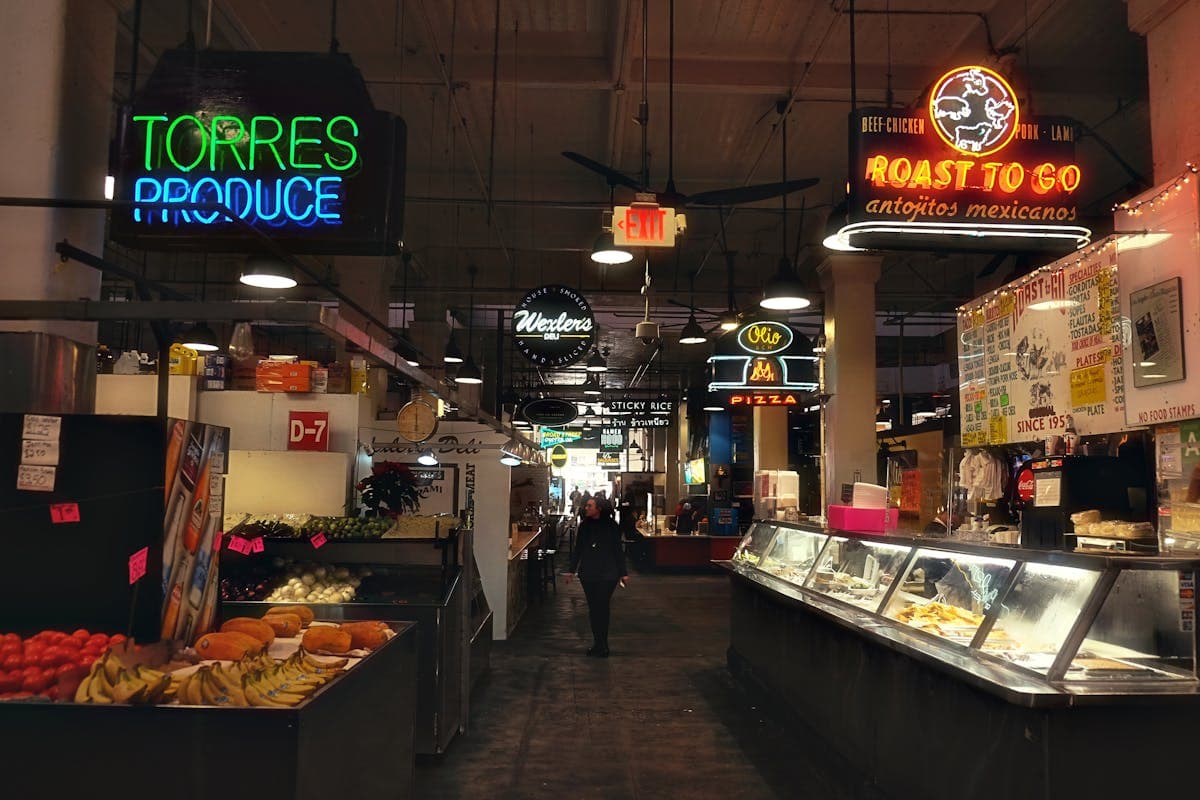
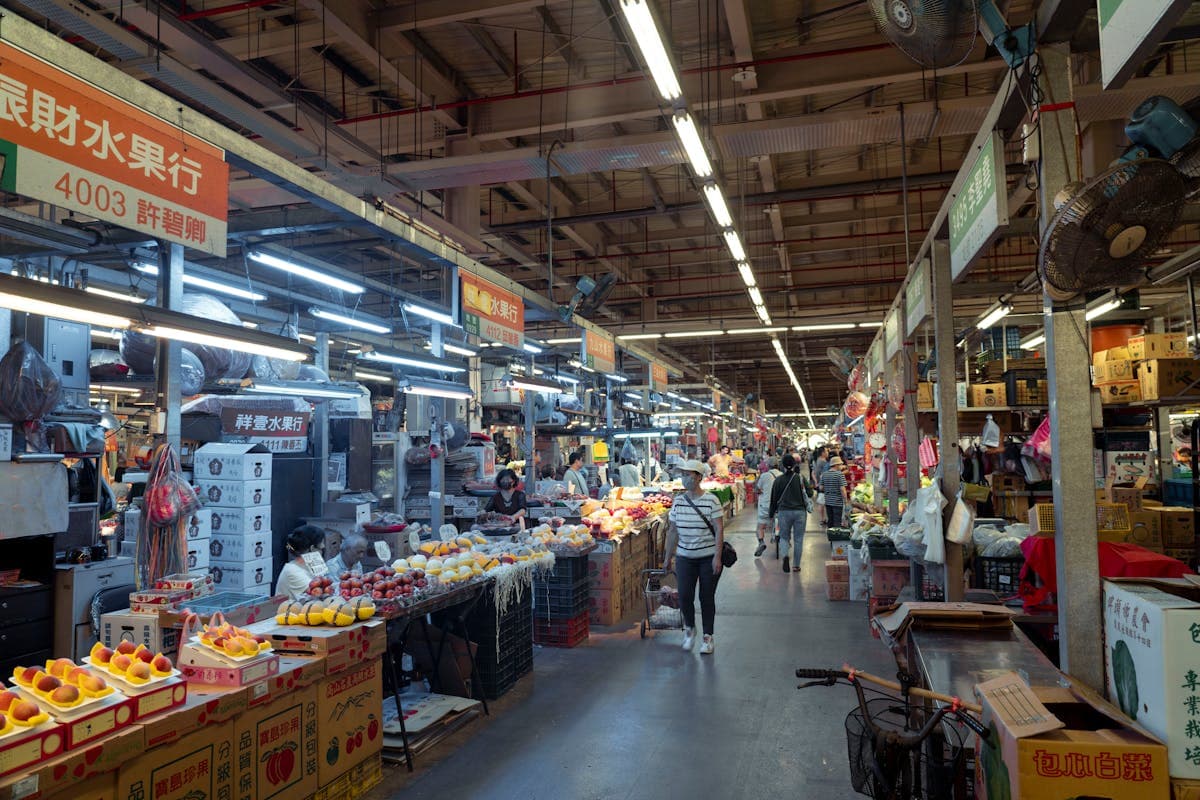
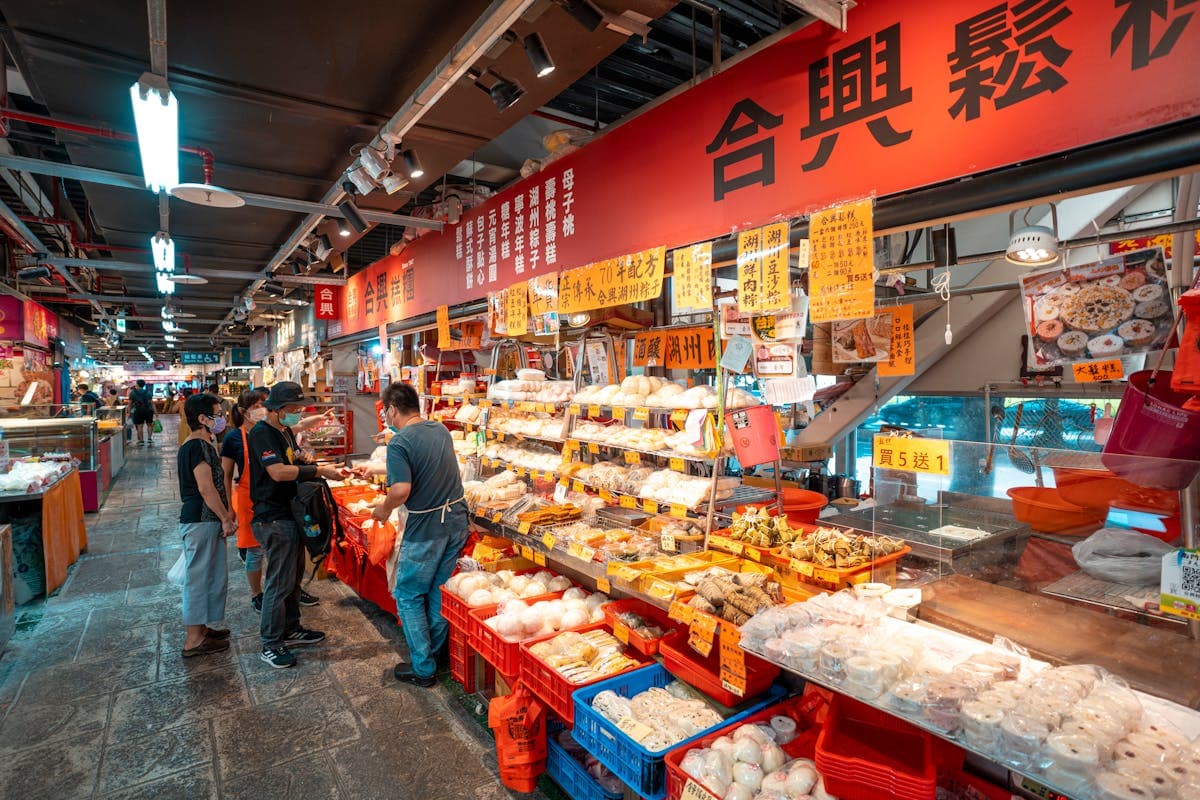
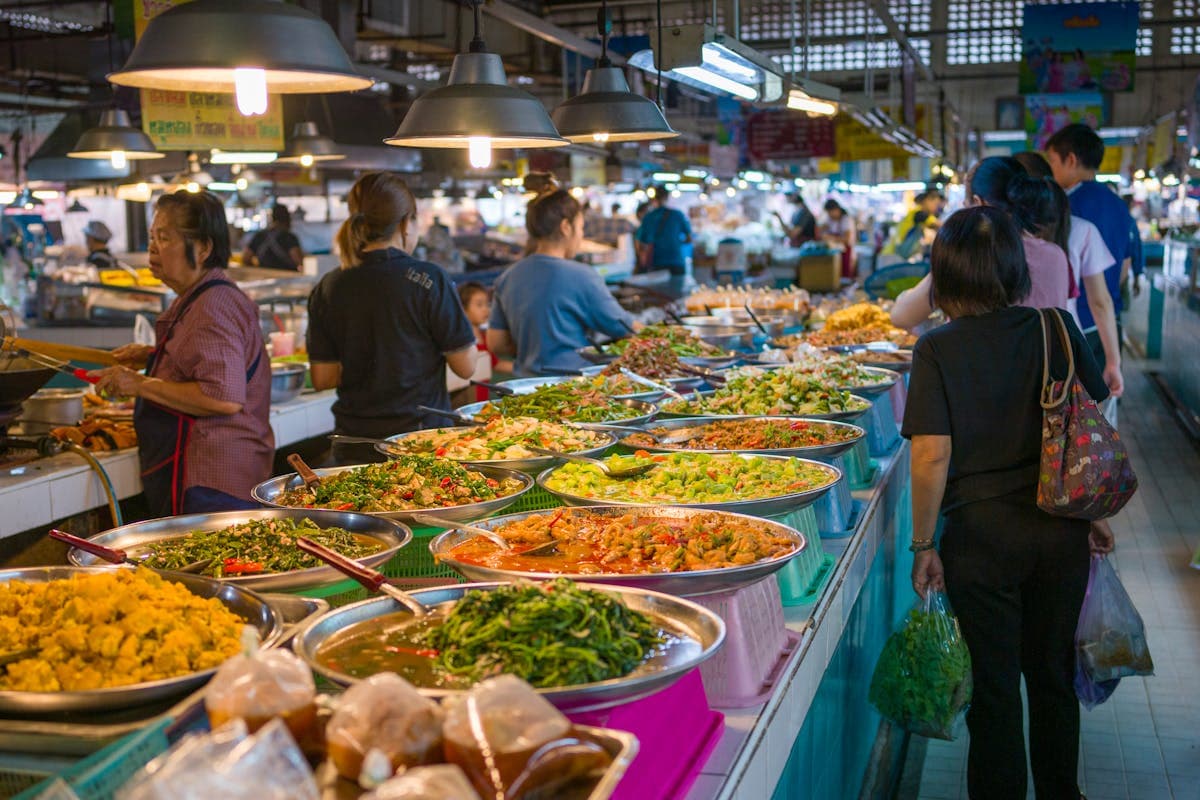
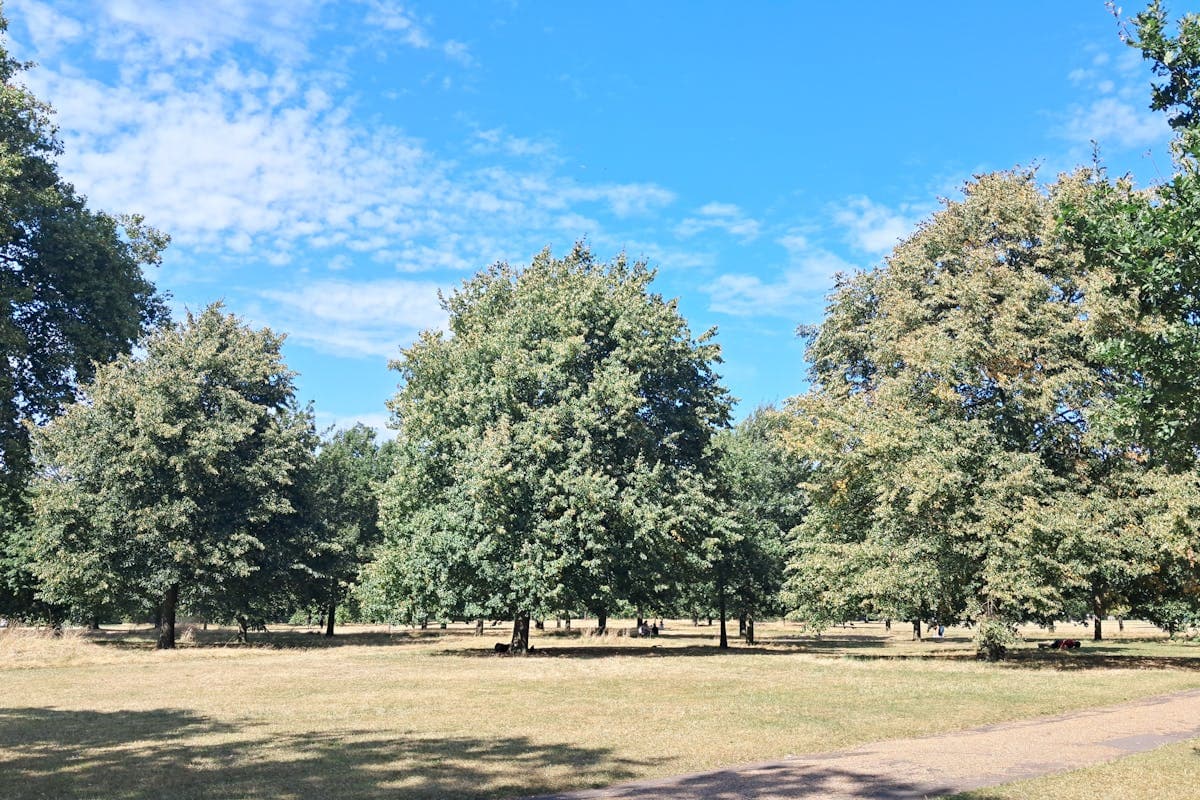
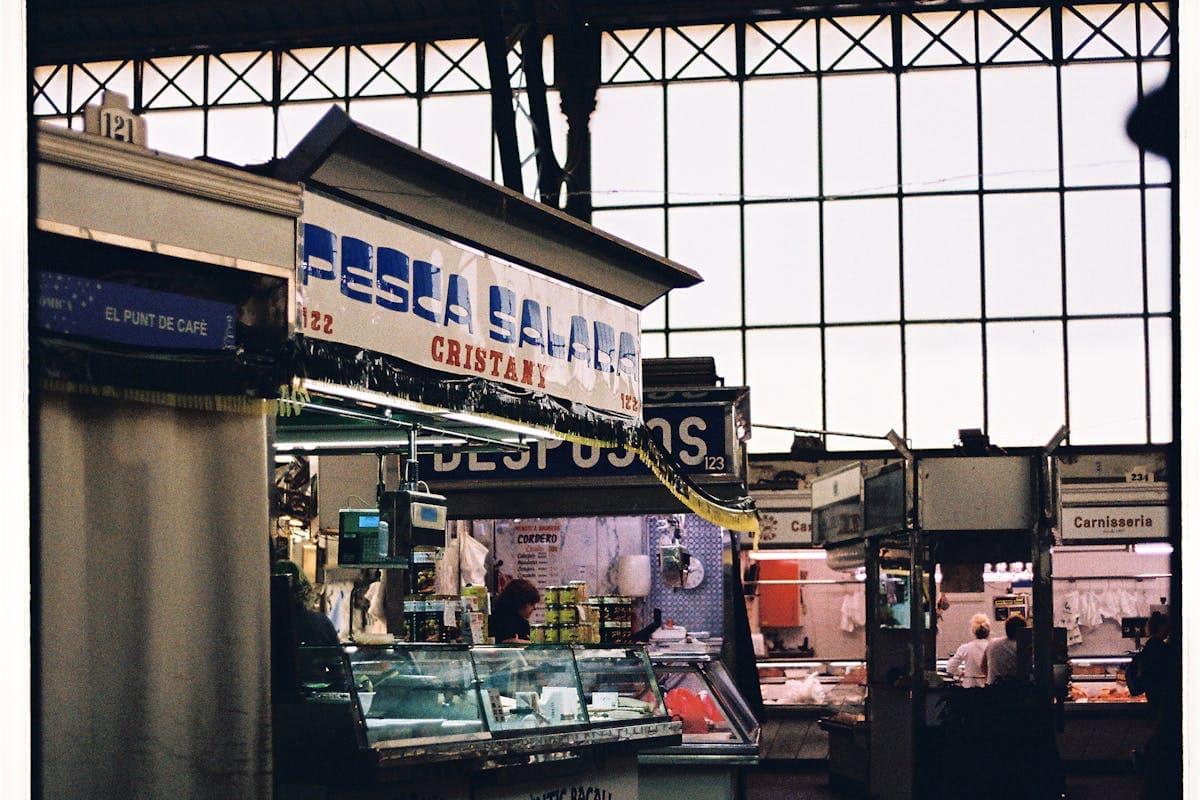
Markets that run every week (Columbia Road Sundays, Borough Market Saturdays, Stockbridge Sundays) are last-minute plan anchors, you know they'll be there, you know roughly how long they take, and you know they'll be good without needing to verify. Free galleries with no ticketing requirements. Parks that are always open. The beach that's an hour away and requires nothing except the decision to go.
The transport piece
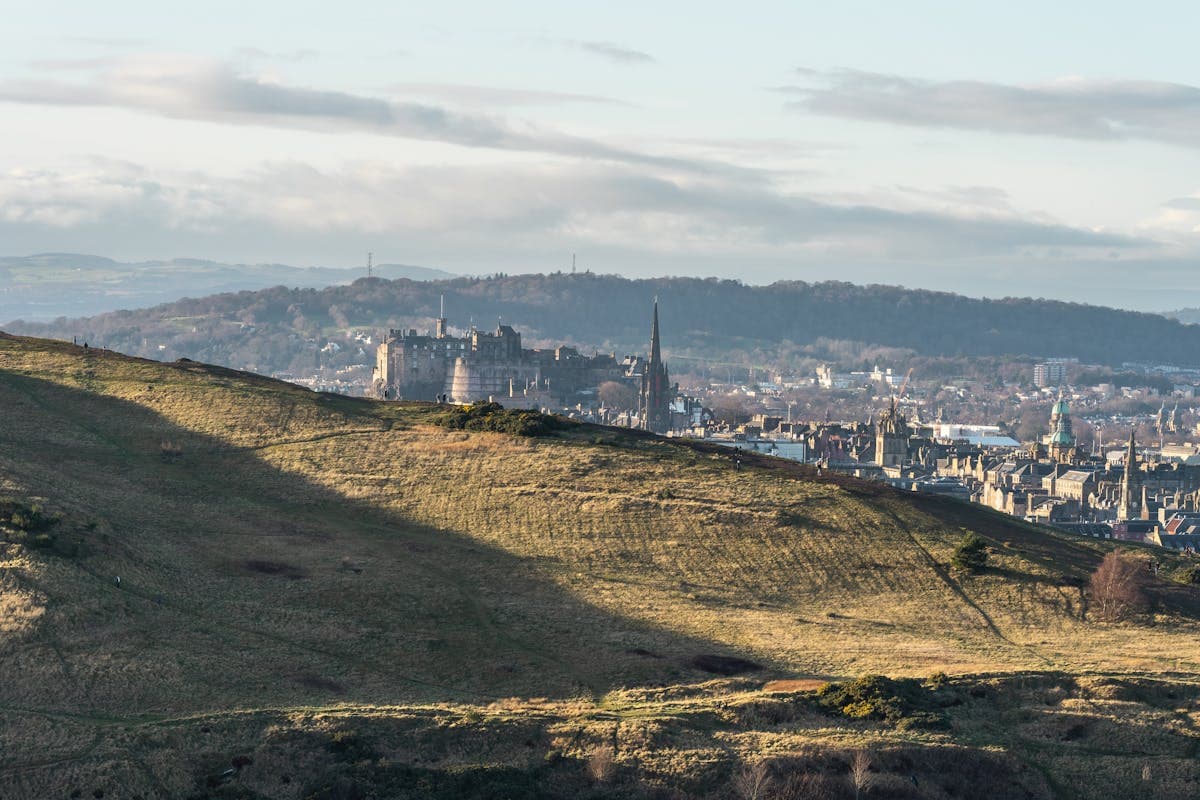
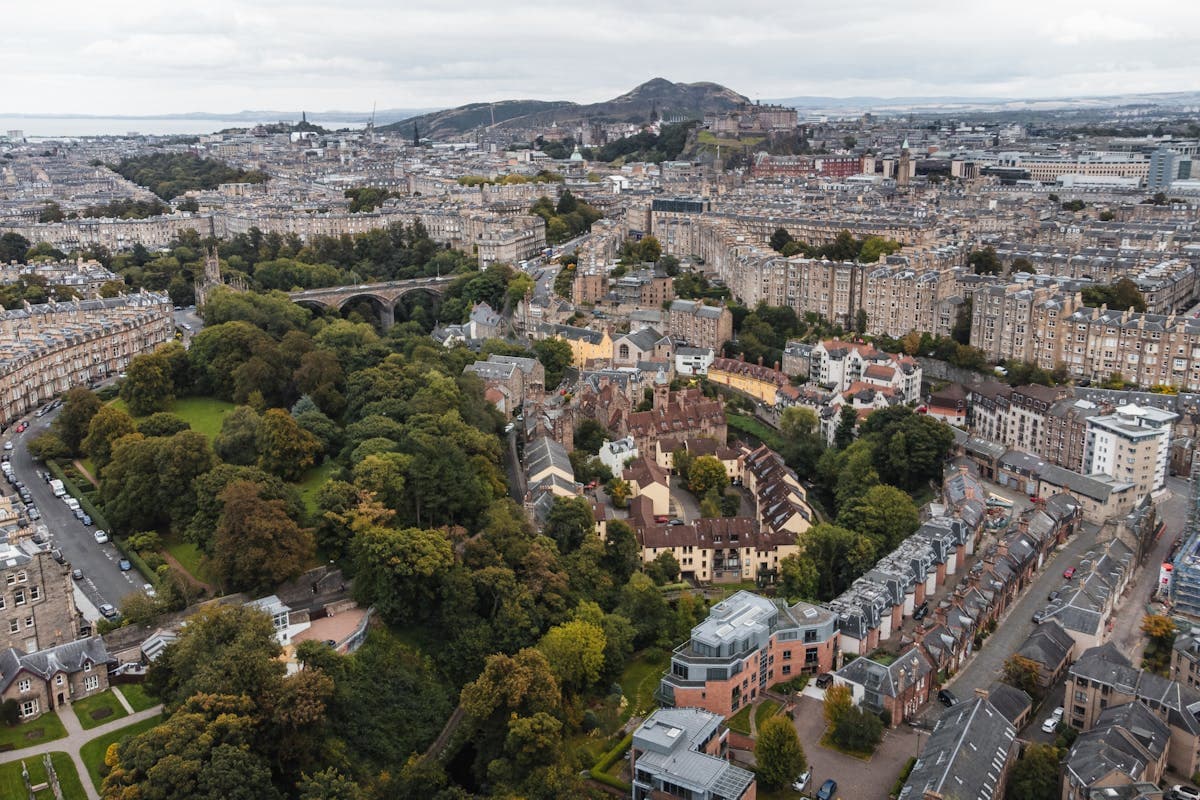
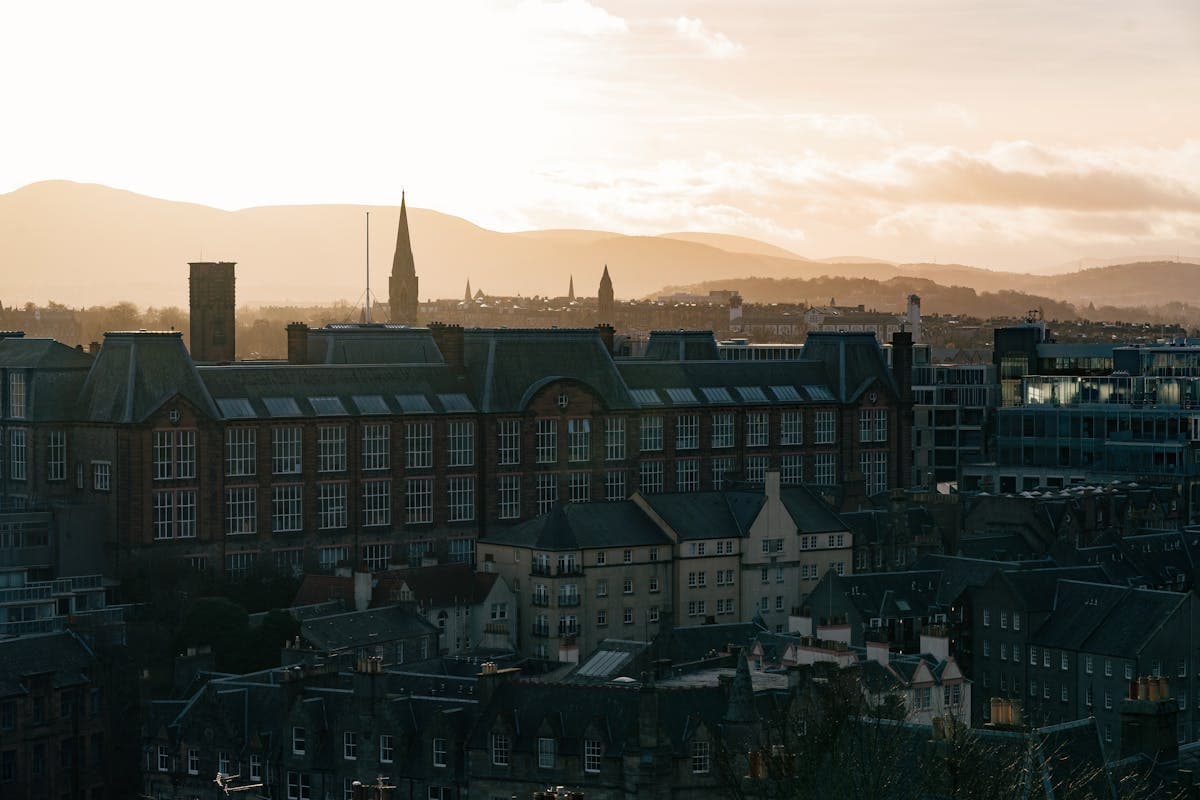
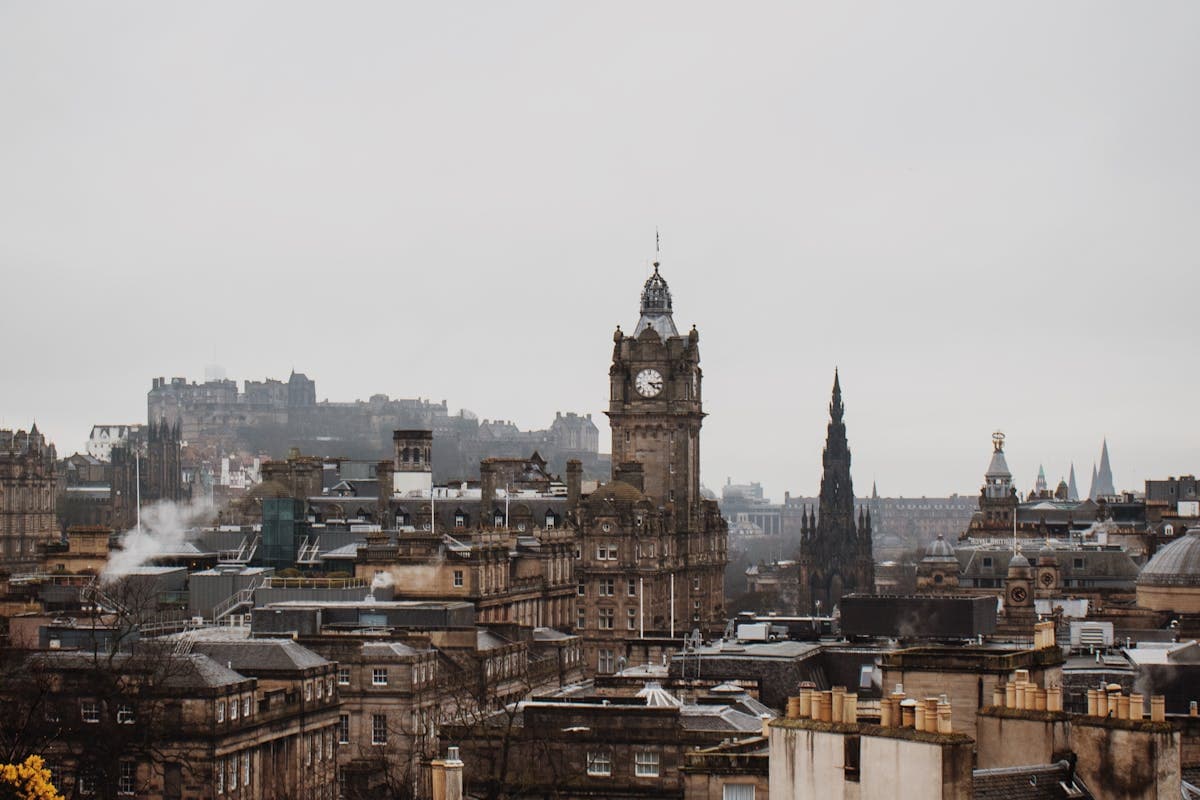
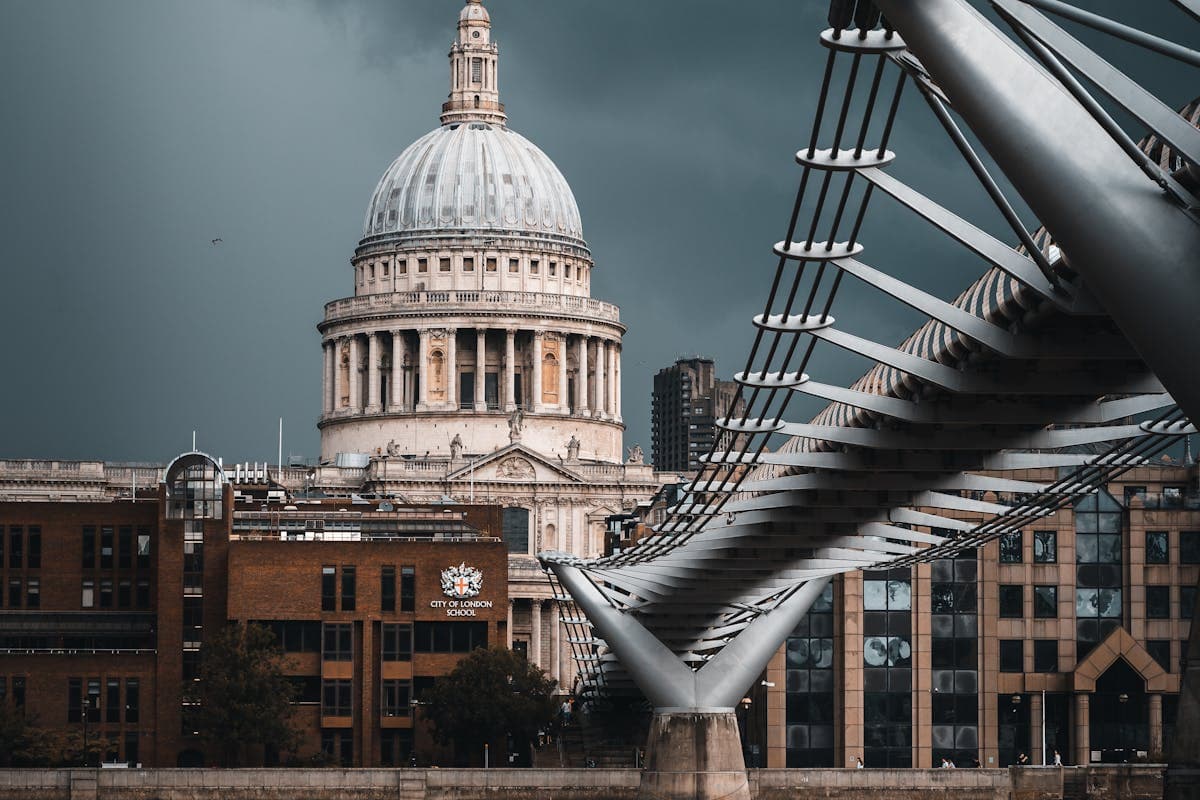
Last-minute plan quality is closely tied to transport access. The London places that work best for spontaneous visits are those a short Tube ride from wherever you are. Brighton is one of the best last-minute plans from London, 55 minutes on the train, no booking required, you can be on the beach by 11am. Edinburgh to Arthur's Seat is a 15-minute walk from the city centre. Manchester's Northern Quarter is 10 minutes' walk from Piccadilly.
What doesn't work last-minute
The popular restaurant with a four-week waiting list. The special exhibition that sold out. The hotel room at a good property on a Saturday night in August. Some things require planning and that's fine, last-minute plans just need to be built around what doesn't.
The benefit of low expectations
Last-minute plans often produce the best memories precisely because nothing was staked on them. You went because it seemed like a good idea, not because you'd planned it for six weeks. The Columbia Road flower market on a Sunday when you happened to wake up early. The Whitworth gallery on a wet Tuesday because you were nearby. The unplanned day that became the story.