Introduction
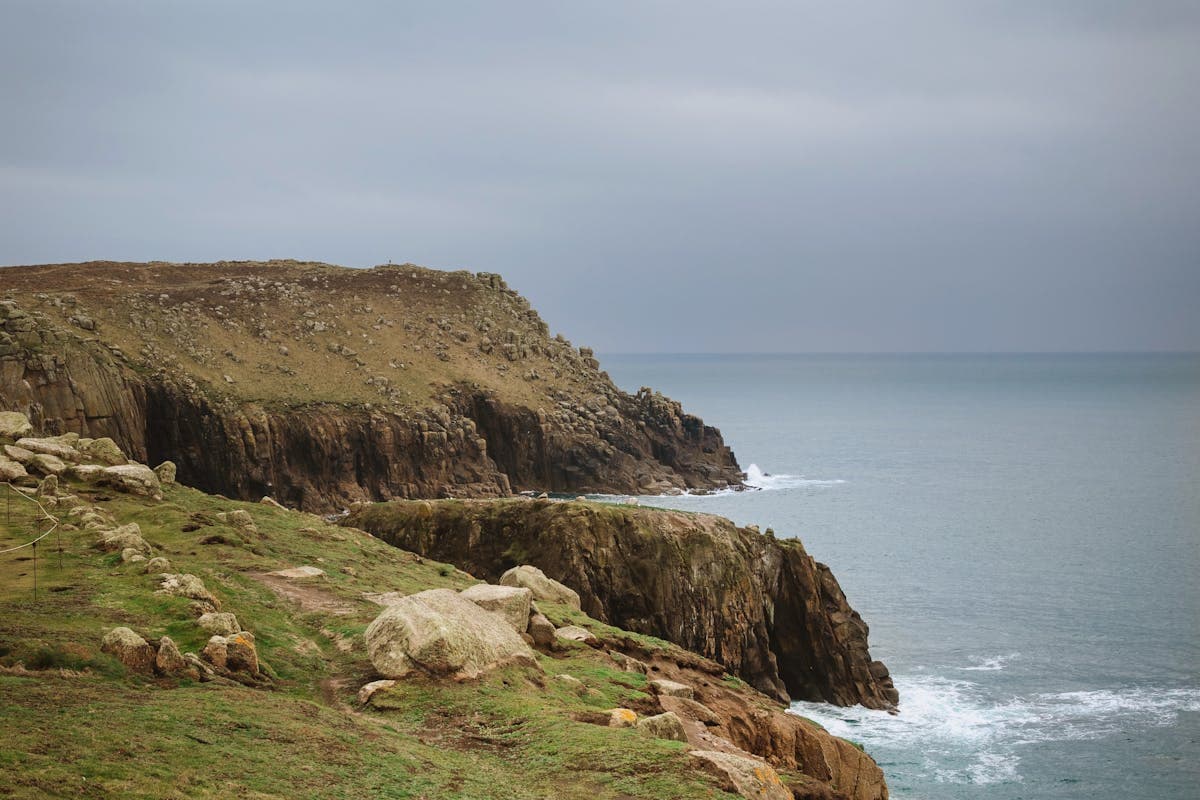
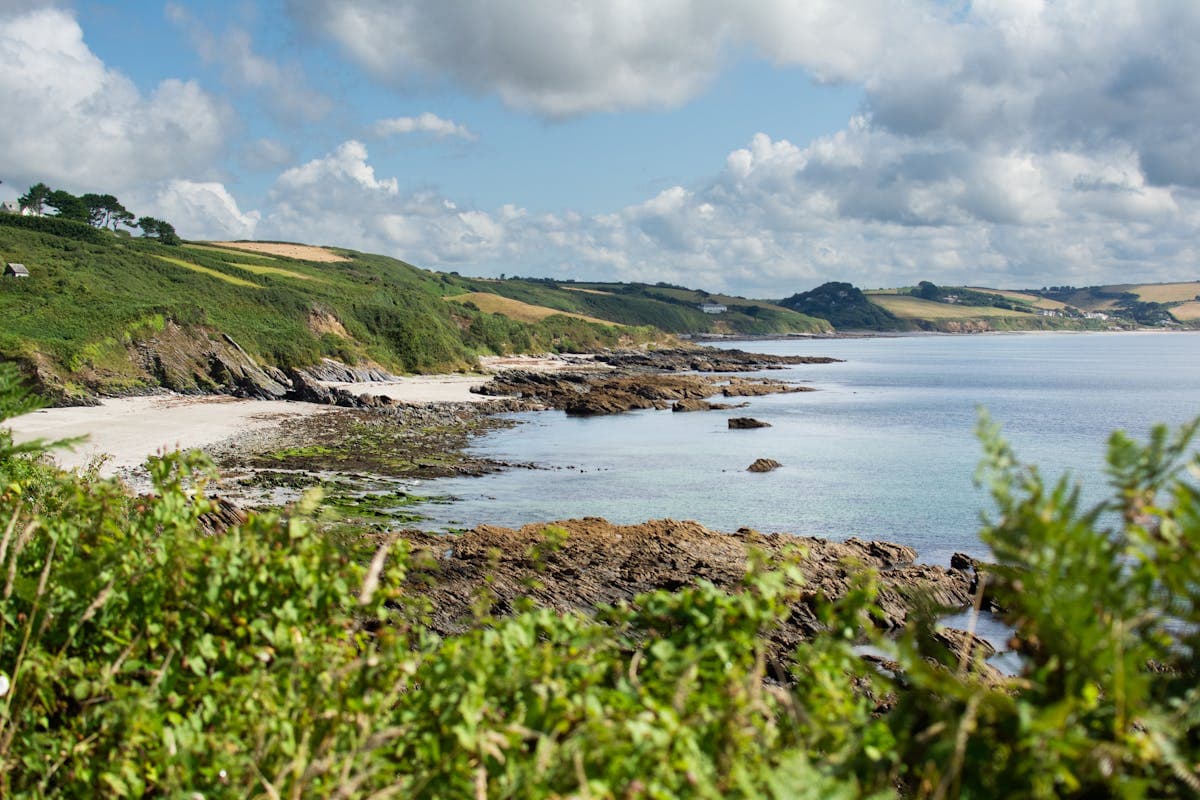
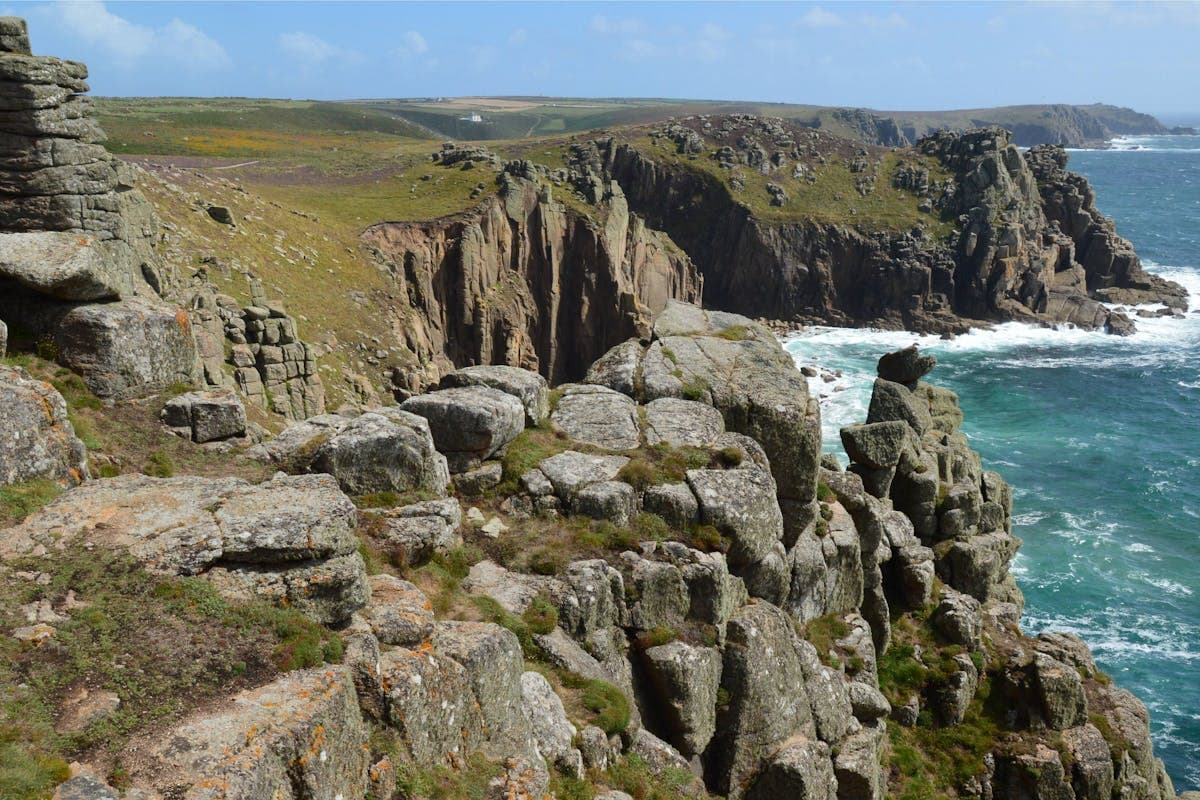
Cornwall occupies a particular place in the British imagination, the far edge of England, Atlantic-facing, with a light and a coastline that doesn't quite match anywhere else in the country. People plan to visit and then keep going back. The landscape does something that's hard to describe precisely: the combination of the light off the sea, the scale of the headlands, and the sudden intimacy of the coves creates an atmosphere that is both bracing and deeply restorative.
It's not undiscovered. Parts of Cornwall, particularly Padstow, the Mevagissey area, and St Ives in August, can feel overwhelmed by visitors in peak summer. The answer is timing and a willingness to go further west or south than most visitors bother. Beyond the popular spots, Cornwall is still wild and largely empty.
Getting There
By train, Penzance is the terminus of the First Great Western line from London Paddington, about 5.5 hours direct, one of the great train journeys in England as the line runs along the sea coast from Dawlish onward. Truro and St Austell are earlier stops and good bases for the central and northern peninsula.
By car, Cornwall is 5–6 hours from London on the A30/M5. Parking in the main towns in summer is difficult and expensive, the A30 can back up significantly at peak times.
Newquay Airport (NQY) has connections from London, Manchester, and a few European routes.
Getting Around
A car is almost essential for exploring beyond the main towns. The bus network (First Kernow) connects the main towns but is infrequent for rural areas. Cycling is excellent on designated trails, the Camel Trail from Padstow to Bodmin is one of the best leisure cycling routes in England.
Key Areas
St Ives is the art town, a working fishing village that became a significant art colony in the 20th century. Tate St Ives sits above the beach with sea views through its circular window. The Barbara Hepworth Sculpture Garden in the town centre is essential. The beaches (Porthminster, Porthmeor) are excellent.
The Lizard Peninsula is the most southerly point in England and the least visited significant area of the Cornish coast. The Kynance Cove is one of the UK's most extraordinary beaches, turquoise water, serpentine rock, accessible only on foot. Come early in the morning.
The Roseland Peninsula east of Truro is particularly beautiful in spring, quiet lanes, the St Mawes Castle, and the extraordinary St Just in Roseland church in a sub-tropical garden.
Falmouth is underrated as a base, a proper town with a good restaurant scene, the National Maritime Museum, and access to some of the best beaches in the county.
Padstow is Rick Stein's spiritual home and has the restaurant density to prove it. The seafood is exceptional. It's also extremely busy in summer.
When to Visit
May and June before the main school holidays are the ideal: the flowers are out, the weather can be warm, and the crowds are manageable. September and October are beloved by locals, the visitors have largely gone, the sea is at its warmest, and the autumn light on the coast is exceptional.
July and August are fully operational but can be frustratingly congested in the main spots. Winter is quiet, some businesses close, but the wild weather on the headlands is unforgettable.
Practical Notes
- Book accommodation well ahead for summer, popular areas fill months in advance.
- The South West Coast Path requires proper footwear for any serious walking.
- Cornish cream tea etiquette: cream first in Cornwall, jam first in Devon (this matters locally).
- Mobile signal is patchy in rural areas, download offline maps before heading out.
- The Minack Theatre requires advance booking; check the programme before your visit.