Introduction
Brighton exists in a particular relationship with London: close enough to be a day trip, distinct enough to feel like a proper destination. The 55-minute train journey deposits you in a city that is smaller, stranger, more colourful, and considerably more relaxed than what you've left behind. There are fewer suits, more tattoos, more dogs on beaches, more elaborate front gardens.
The city is genuinely LGBTQ+-friendly in ways that go beyond policy, it has been a centre of LGBTQ+ life in Britain since the 1970s and the culture that built reflects this in the make-up of its shops, restaurants, community spaces, and general social texture. Pride weekend in August is the largest event in the city's calendar.
Brighton is affordable relative to London for both accommodation and food, and the concentration of good independent restaurants means eating well doesn't require spending much.
Getting There
The fastest trains from London Victoria and London Bridge take 55 minutes to an hour on the Southern and Thameslink services. Brighton station sits at the top of the hill above the city centre; it's a 10–15 minute walk downhill to the seafront.
There's no reason to drive, parking is expensive and the city is easily walkable once you're here.
Getting Around
Brighton is compact. Walking between The Lanes, North Laine, and the seafront takes about 15 minutes end to end. The seafront itself runs east toward Kemp Town (Brighton's LGBTQ+ quarter) and west toward Hove.
Buses are the main public transport option for trips outside the walkable centre. The Vantage Bus connects to Lewes and other East Sussex towns if you're doing day trips.
Cycling is good along the seafront and through the flatter western areas; the North Laine and Lanes areas are better walked.
Neighbourhoods to Know
The Lanes is the original medieval quarter, the best independent shopping in the city, the best restaurants, and the highest concentration of character per square metre.
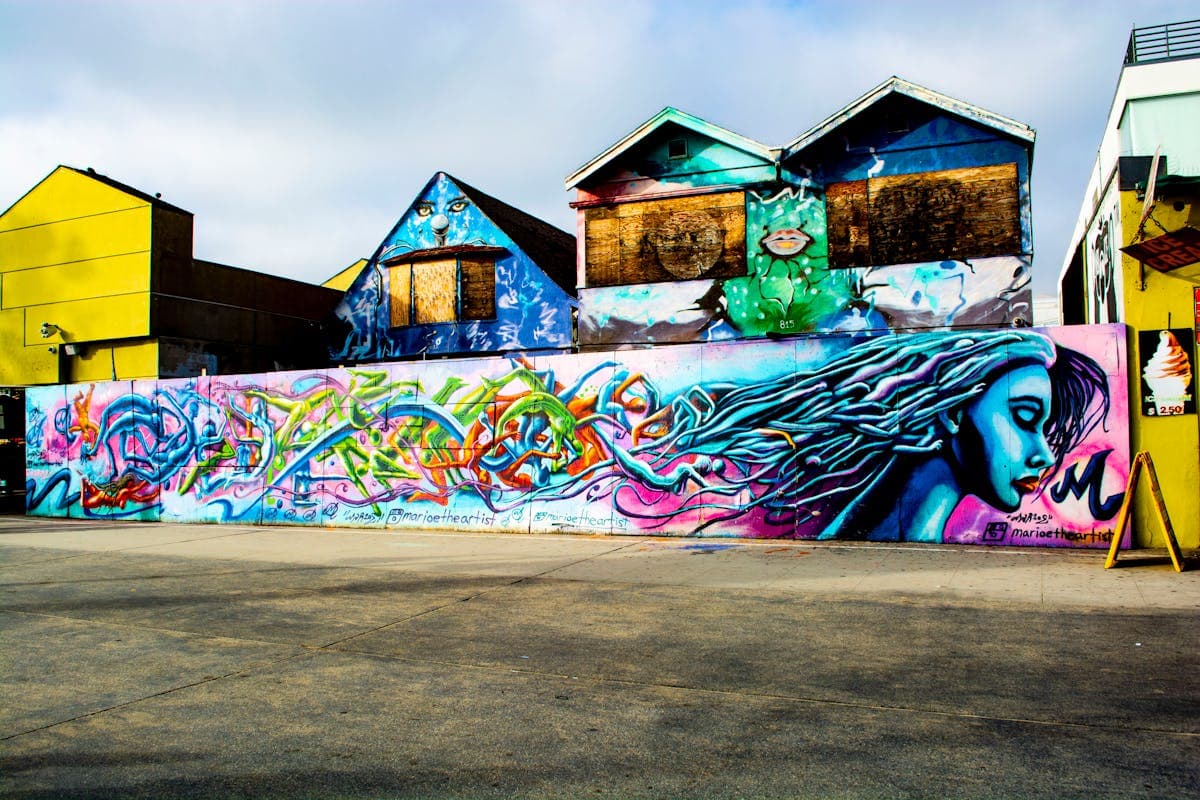
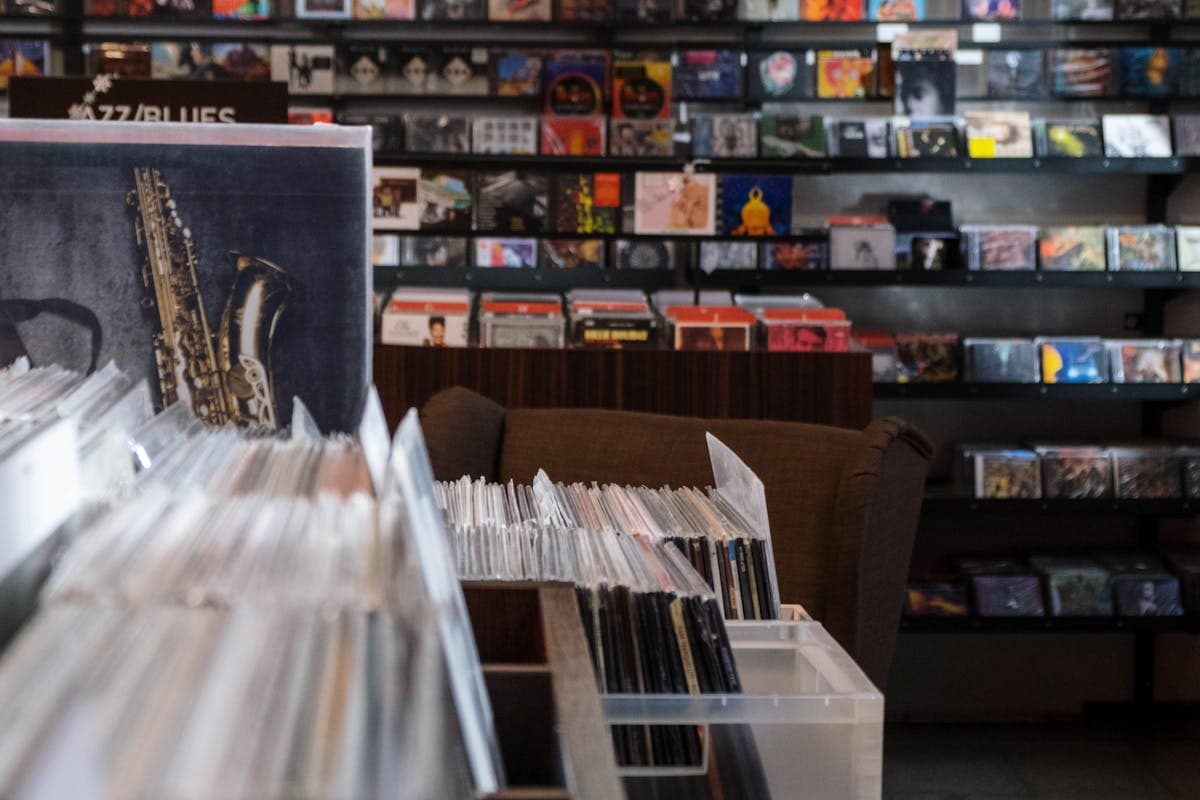
North Laine is adjacent and younger in feel, record shops, vintage clothing, independent cafés, the kind of streetwear and design you'd find in Shoreditch but with more space and less attitude.
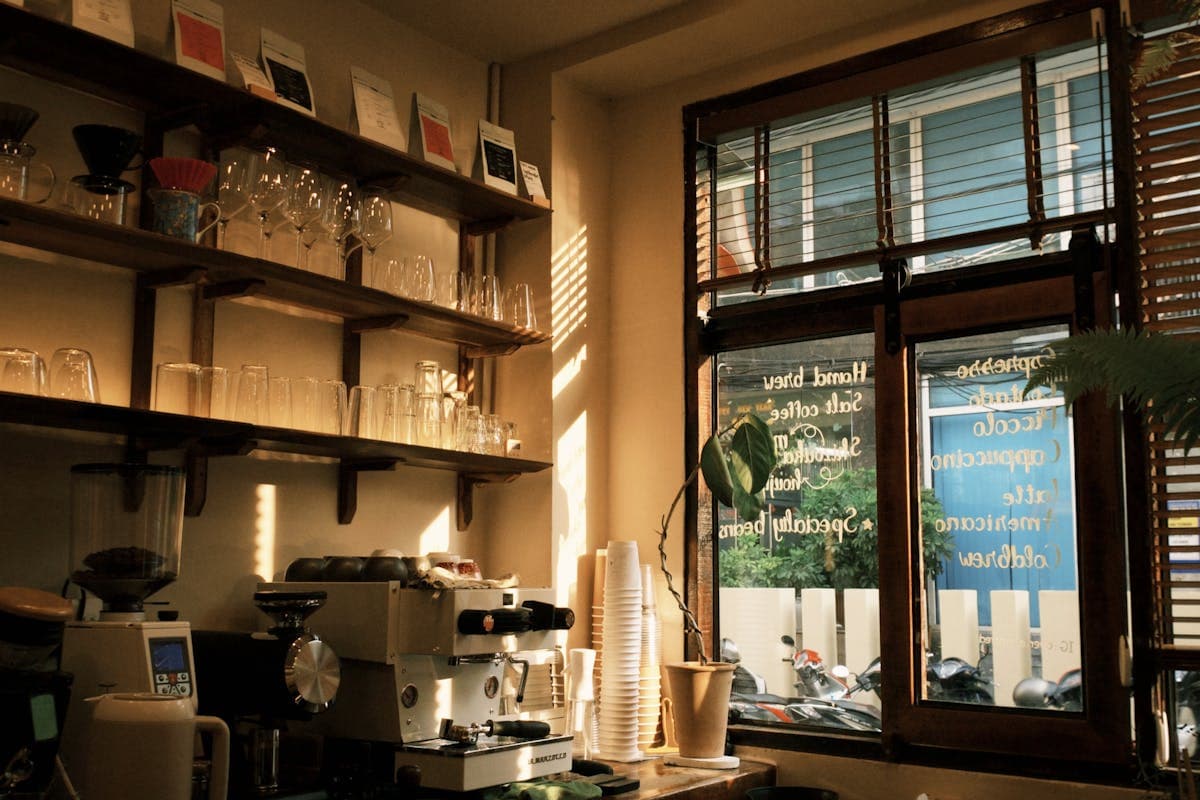
Kemp Town on the eastern seafront is the cultural heart of Brighton's LGBTQ+ community, great independent bars, excellent cafés (try Presuming Ed), and the annual Kemp Town Carnival.
Hove is the calmer, more residential western half of what locals call "Brighton and Hove", larger houses, longer beach walks, and the beginning of the South Downs National Park.
When to Visit
May through September for beach weather and the full outdoor experience. The Brighton Festival in May is worth planning around, a city-wide arts festival across two weeks. August brings Pride and large summer crowds; accommodation will need booking months ahead.
Weekends year-round are busy. Midweek in spring or autumn is the quiet sweet spot, many restaurants open without booking required, prices are lower, and the sea has a particular quality of light.
Practical Notes
- The beach is pebble, not sand, bring footwear for the water's edge.
- Wild swimming is popular and the water quality is generally good.
- The South Downs National Park starts just beyond the city, day walks are very accessible.
- Brighton has a flourishing vegetarian and vegan food scene: Food for Friends, Iydea, Terre à Terre.
- The seafront arcades, pier, and tourist infrastructure can be easy to dismiss, the Royal Pavilion is genuinely worth seeing inside.