Introduction
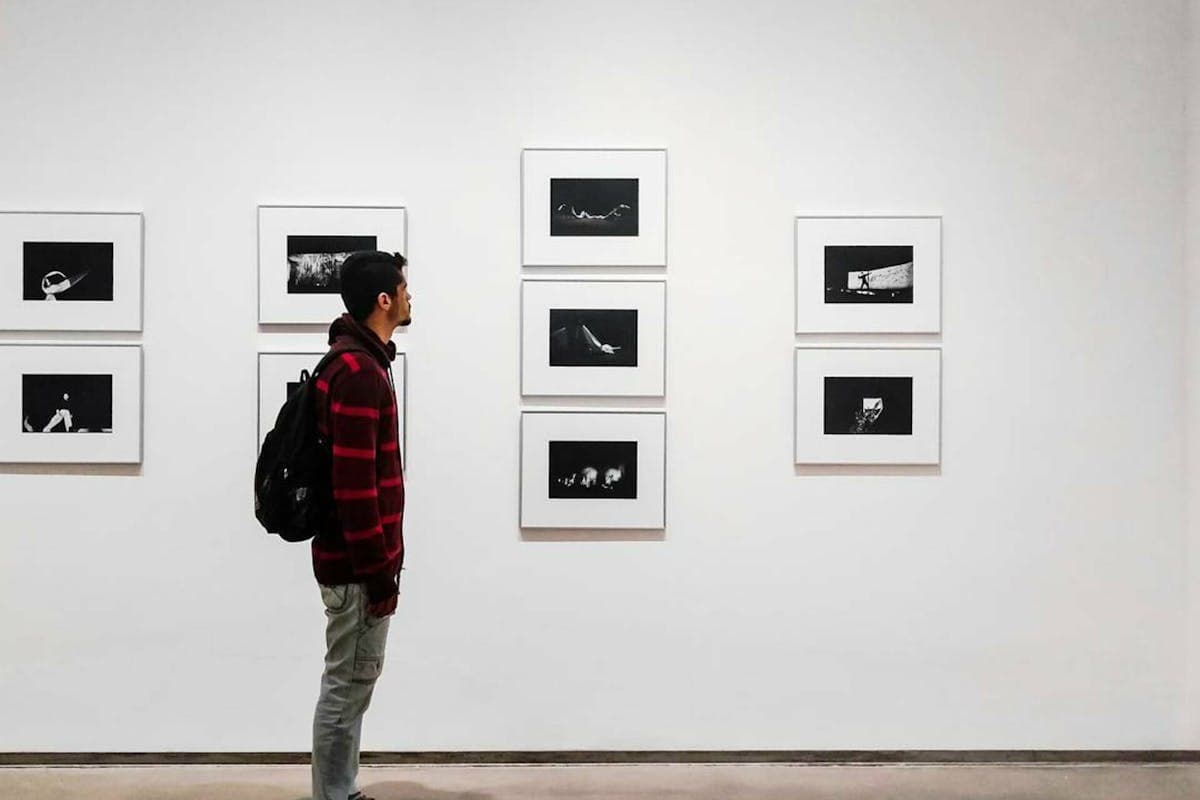
Liverpool doesn't always get the credit it deserves as a travel destination. The Beatles connection dominates the external perception to a degree that undersells the city's contemporary cultural life, the Baltic Triangle's creative scene, the remarkable gallery infrastructure (the Walker has one of the best collections of any regional gallery in England), the food scene on Bold Street and in the Georgian Quarter.
What people who've been to Liverpool tend to mention first is the welcome. It has a reputation for friendliness that, unlike many such reputations, seems to hold up consistently. Strangers start conversations; bar staff ask where you're from and mean it; the city feels inhabited rather than performed.
It's also significantly more affordable than most comparable UK cities, making it one of the better value city-break destinations in England.
Getting There
Liverpool John Lennon Airport (LPL) handles domestic and European routes. The Arriva 80A bus connects to the city centre in 25–30 minutes. Taxis are reasonable.
By train, Liverpool Lime Street is the main station. London Euston to Liverpool is approximately 2 hours 10 minutes (Avanti West Coast). Manchester Piccadilly to Liverpool is 35–40 minutes.
Getting Around
Merseyrail connects the city to the Wirral Peninsula (for a day trip to Birkenhead, with stunning views of the Liverpool skyline across the Mersey) and the outer suburbs. The bus network is extensive. The centre is compact and walkable for most purposes.
A ferry across the Mersey is both functional and one of the best ways to see the waterfront, the iconic approach from the water to the Three Graces is one of the UK's great urban views.
Neighbourhoods to Know
Pier Head and Waterfront is where to begin, the Three Graces (the Royal Liver Building, Cunard Building, and Port of Liverpool Building) are extraordinary examples of Edwardian civic ambition. The Albert Dock complex is directly adjacent.
Baltic Triangle is Liverpool's creative district, converted industrial buildings housing independent restaurants, creative studios, bar and club venues, and the city's most active nightlife scene.
Bold Street and the Georgian Quarter has the city's best food and independent shopping. The Georgian Quarter itself, stunning terraces of Georgian townhouses around Falkner Square and Canning Street, is one of the best-preserved Georgian residential areas in England.
Chinatown is one of the oldest Chinese communities in Europe and the food reflects this.
Toxteth has a significant Black British community with deep historical roots. Liverpool has had a Black African and Caribbean community since the 18th century, one of the oldest in Britain.
When to Visit
May through September for best weather and outdoor waterfront activity. The Liverpool Sound City festival (May) and various summer events make the city particularly lively. Avoid major football fixtures if you'd rather not compete for accommodation.
Practical Notes
- Free museums are a major asset: World Museum, Walker Art Gallery, Museum of Liverpool, Tate Liverpool.
- The waterfront walk from Pier Head to the Albert Dock is essential and free.
- Bold Street is the food hub, independent restaurants of most cuisines within a few hundred metres.
- Day trips to the Wirral Peninsula via the Mersey Ferry or Merseyrail are excellent.