Introduction
The Lake District was England's first national park (designated 1951) and is still the country's most visited, which creates a familiar tension: the fells and lakes that make it extraordinary are exactly what draws the crowds that can make it frustrating. The answer, as with most popular natural areas, is to go at the right time, to go slightly further than most people bother, and to get up earlier than the tour buses.
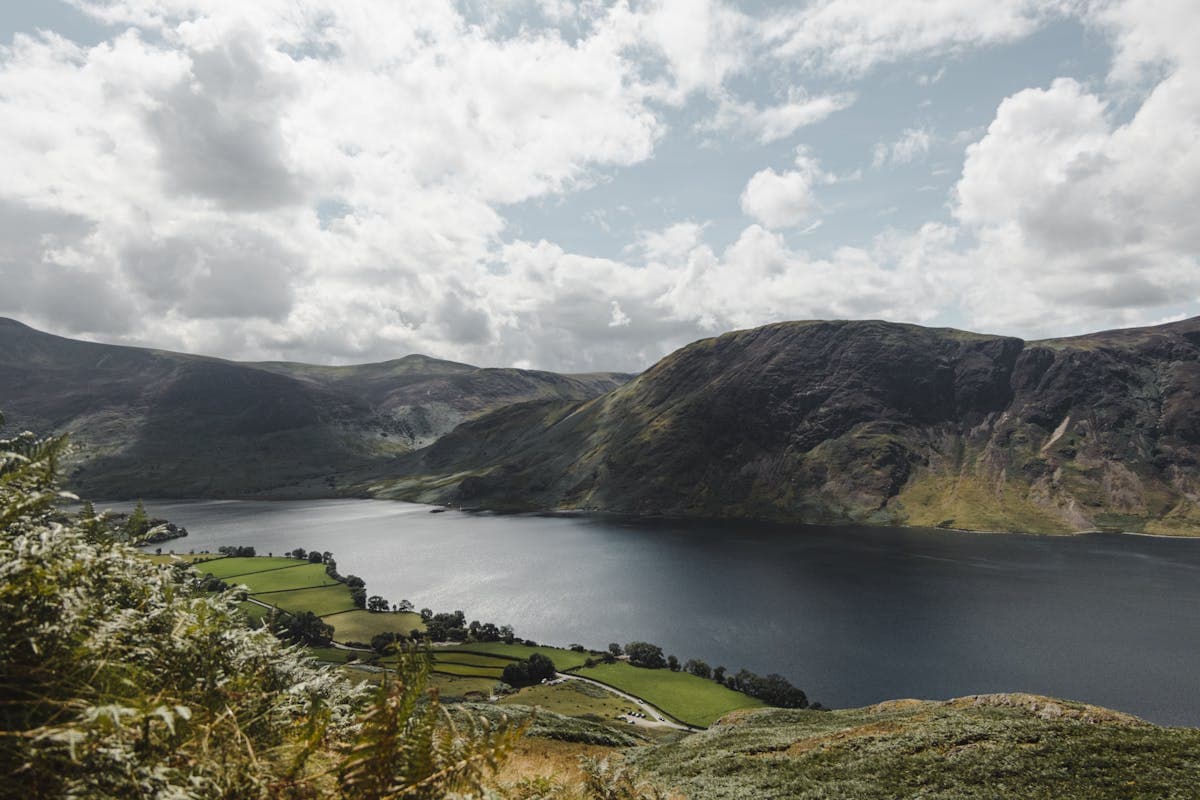
At its best, early morning on Ullswater, mist burning off the fell above, the water completely still, the Lake District is one of the most beautiful landscapes in Europe. Not in a competitive way but in the specific way that particular places have particular qualities that work on you over time. The light here, especially in autumn, is unlike the light anywhere else in England.
The park covers 912 square miles of Cumbria. You need either a car or a very considered use of the local bus network.
Getting There
By train, Penrith (on the West Coast Main Line, 3 hours from London Euston) is the nearest mainline station for the northern lakes. Windermere station (via Oxenholme) connects to the southern end of the park. Oxenholme is also on the West Coast Main Line, trains from London Euston in 2.5 hours.
By car, the M6 and A66 are the main approach routes. Journey time from London is 4.5–5 hours; from Manchester 1.5 hours.
Getting Around
A car is the practical option for flexible access to walking areas. Without one, the Lakes Explorer bus service connects Windermere, Ambleside, Grasmere, Keswick, and Ullswater, impractical for remote walks but adequate for village-to-village movement.
Cycling is excellent on quieter roads but requires confidence with hills. Boat services on Ullswater and Windermere are scenic and useful for point-to-point walks where you finish at a different location from where you started.
Key Areas
Keswick and Derwentwater, the northern hub with the best range of independent accommodation and restaurants. Catbells (a walk achievable in 2 hours with panoramic views) starts near the lake shore.
Ullswater, the most beautiful lake. The Glenridding to Howtown walk along the eastern shore, then the steamer back, is one of the best half-day combinations in the park.
Grasmere. Wordsworth's village. Small, well-visited but manageable, with the Grasmere Gingerbread Shop (genuinely extraordinary spiced biscuit, sold since 1854) and good walks directly from the village.
Langdale, serious walking country in a dramatic glacial valley. The Langdale Pikes are accessible from the Old Dungeon Ghyll pub and provide one of the park's most rewarding views.
Coniston, less visited than Windermere, with the Old Man of Coniston offering a long but not technically demanding summit walk with extensive views.
When to Visit
May and June for wildflowers and best light without August crowds. September and October for autumn colour, bracken turning gold on the fells, the light at a slant all day, water levels higher after summer. Winter walking on the higher fells requires proper experience and equipment but is extraordinary.
July and August work best if you're willing to start walks before 8am and avoid the bottleneck car parks.
Practical Notes
- Walking boots (not trainers) are essential for anything above valley floor.
- Weather changes fast at altitude, carry layers and waterproof.
- The Ordnance Survey maps (Explorer OL4, OL5, OL6, OL7) are the navigational standard.
- Wild camping is permitted on open fell land above the enclosed pasture.
- Accommodation in popular areas. Ambleside, Bowness, Grasmere, books out months ahead in summer.