What makes this vibe
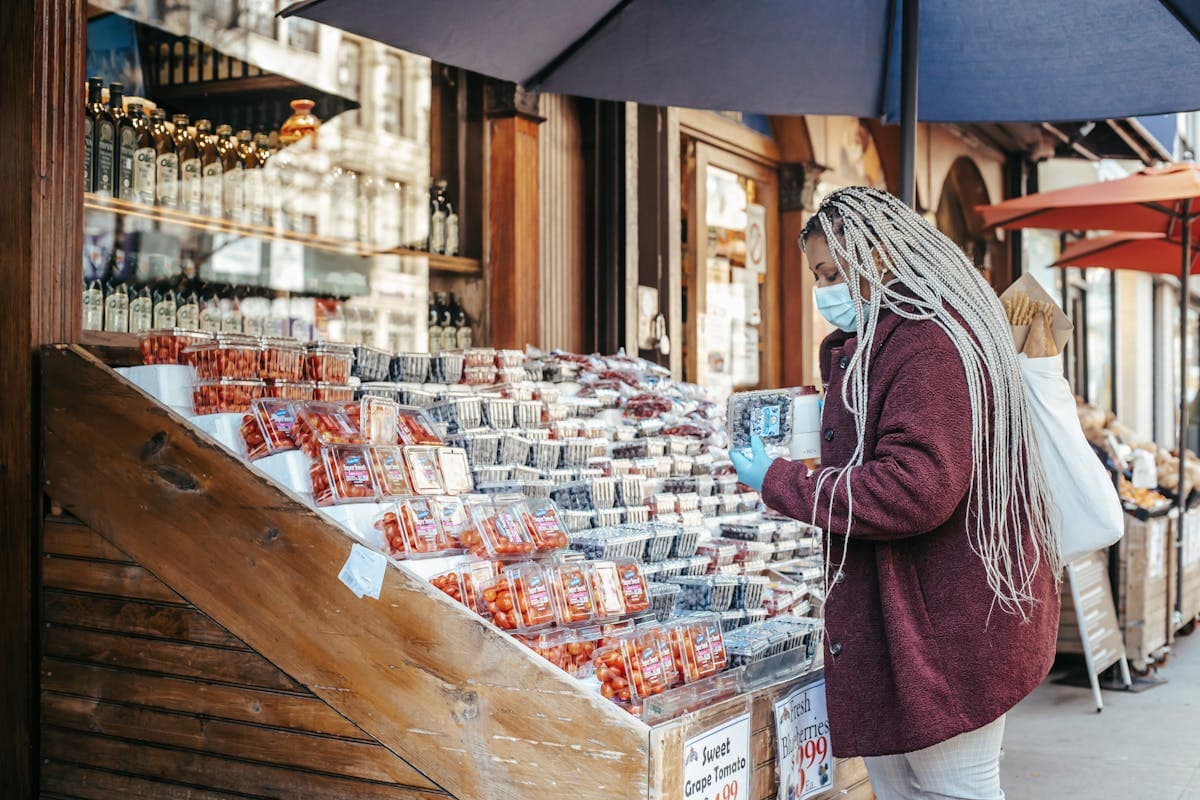
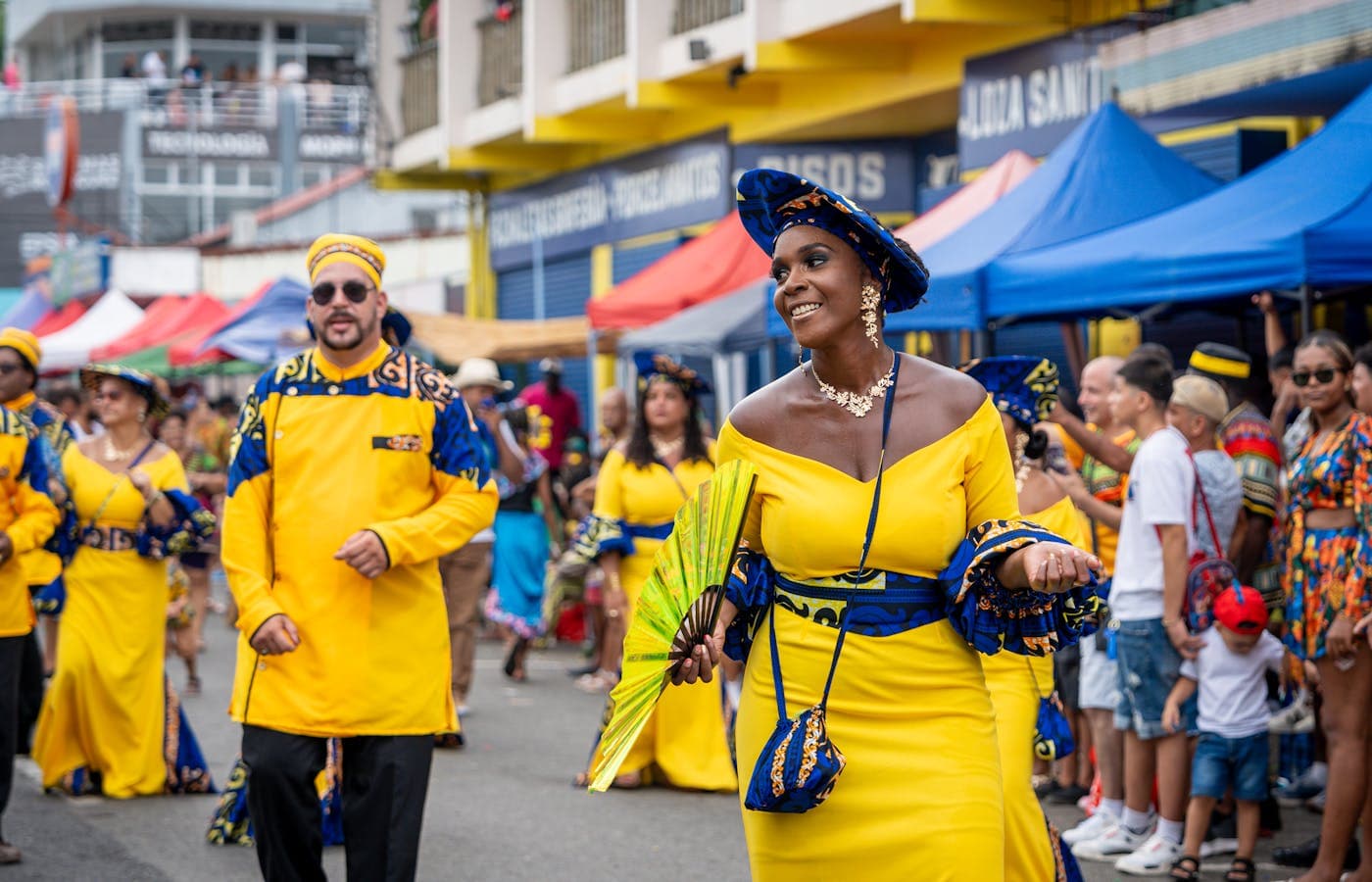
The African and Caribbean diaspora in Britain has shaped British culture, food, music, fashion, language, in ways that are sometimes acknowledged and often taken for granted. The afro-caribbean-spots vibe is an attempt to map some of that shaping, specifically through the food, market, and community spaces where it's most visibly present.
Brixton is the most famous example but not the only one. Peckham's Rye Lane has a West African commercial strip. Ghanaian food shops, hair salons, fabric stores, that is one of the most culturally rich high streets in London. Hackney's Ridley Road Market has a long tradition of Caribbean and African market trading. In Manchester, Moss Side has been a Caribbean community heartland for 50 years. In Liverpool, Toxteth, one of the oldest Black British communities in the country, has its own food culture.
Navigating respectfully
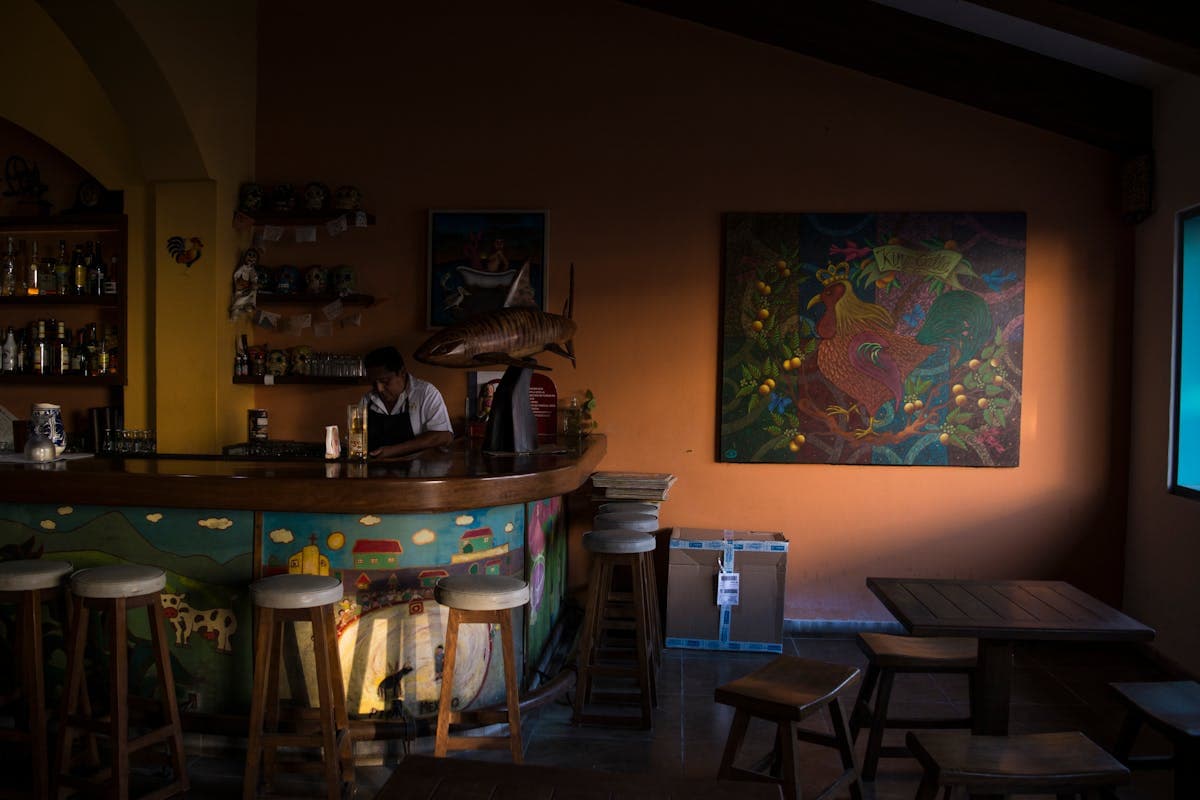
These are community spaces, not tourism destinations designed for outsiders. The etiquette of the market stall, the specialist grocer, the community café is the same as any neighbourhood business, engage with genuine interest, spend money, don't photograph people without asking, and understand that you're visiting someone else's regular place.
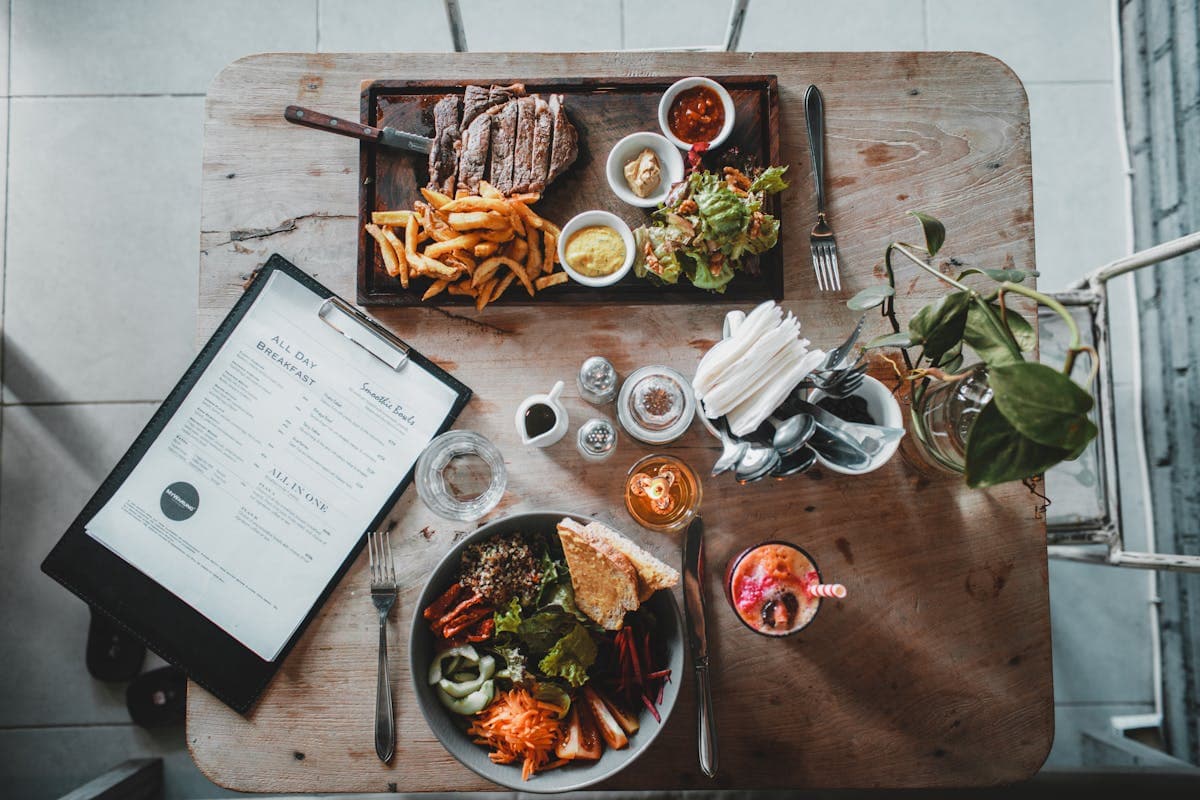
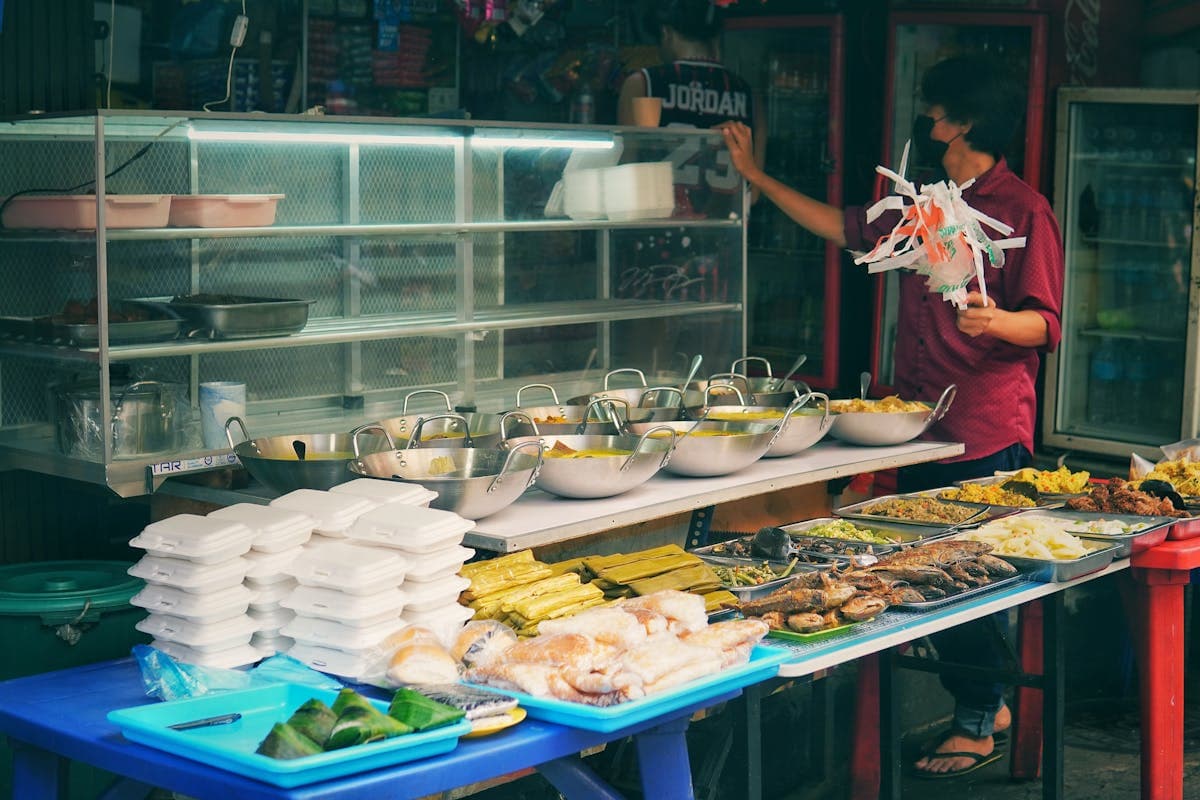
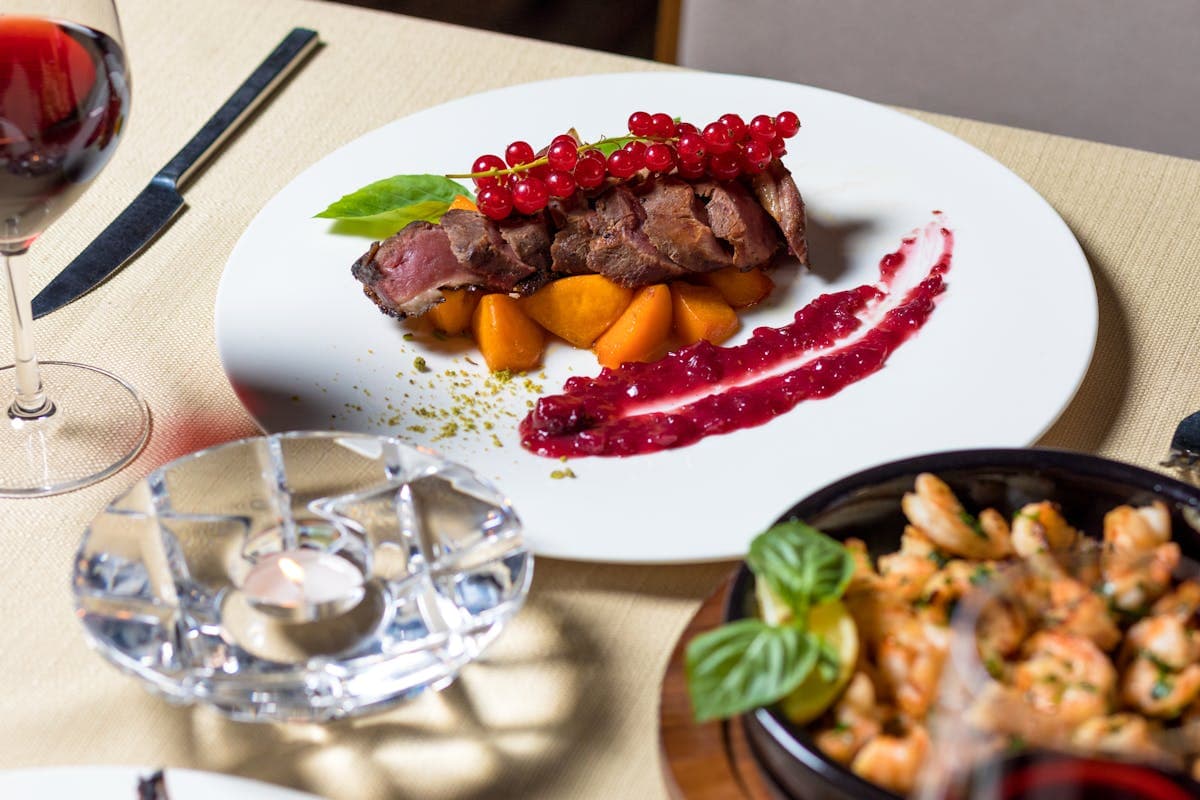
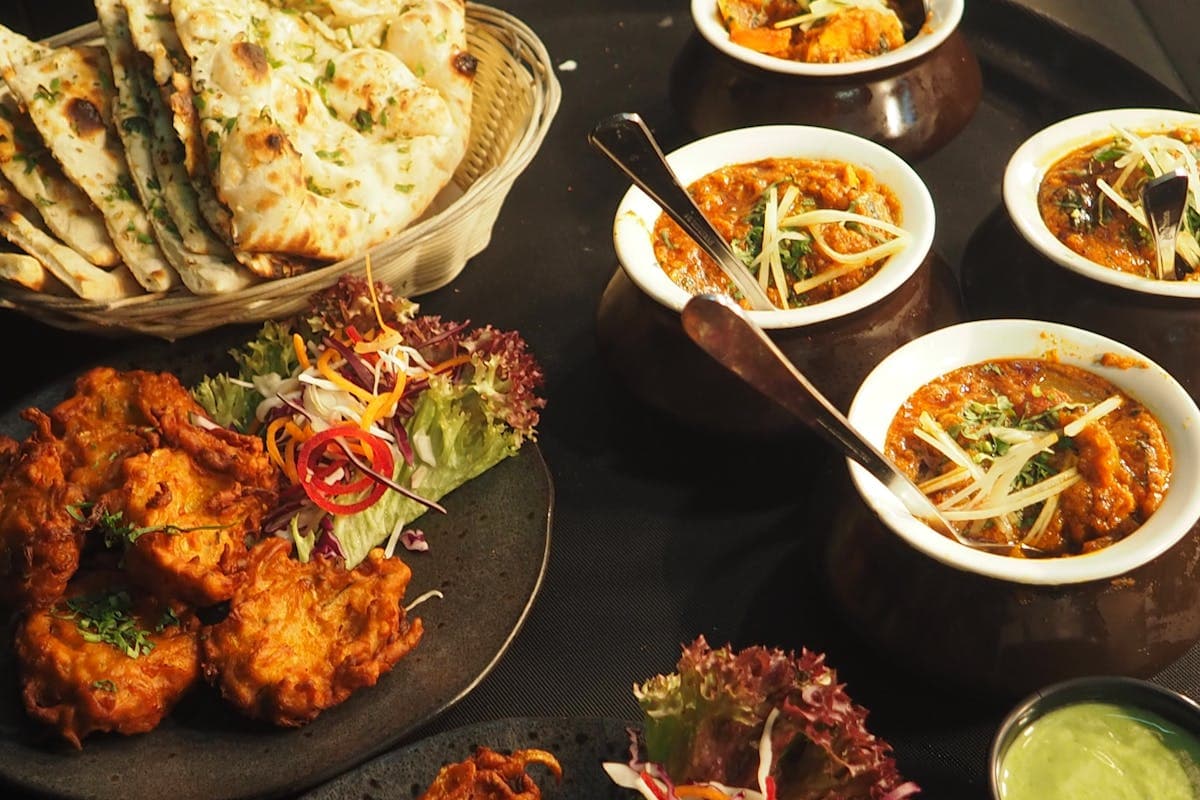
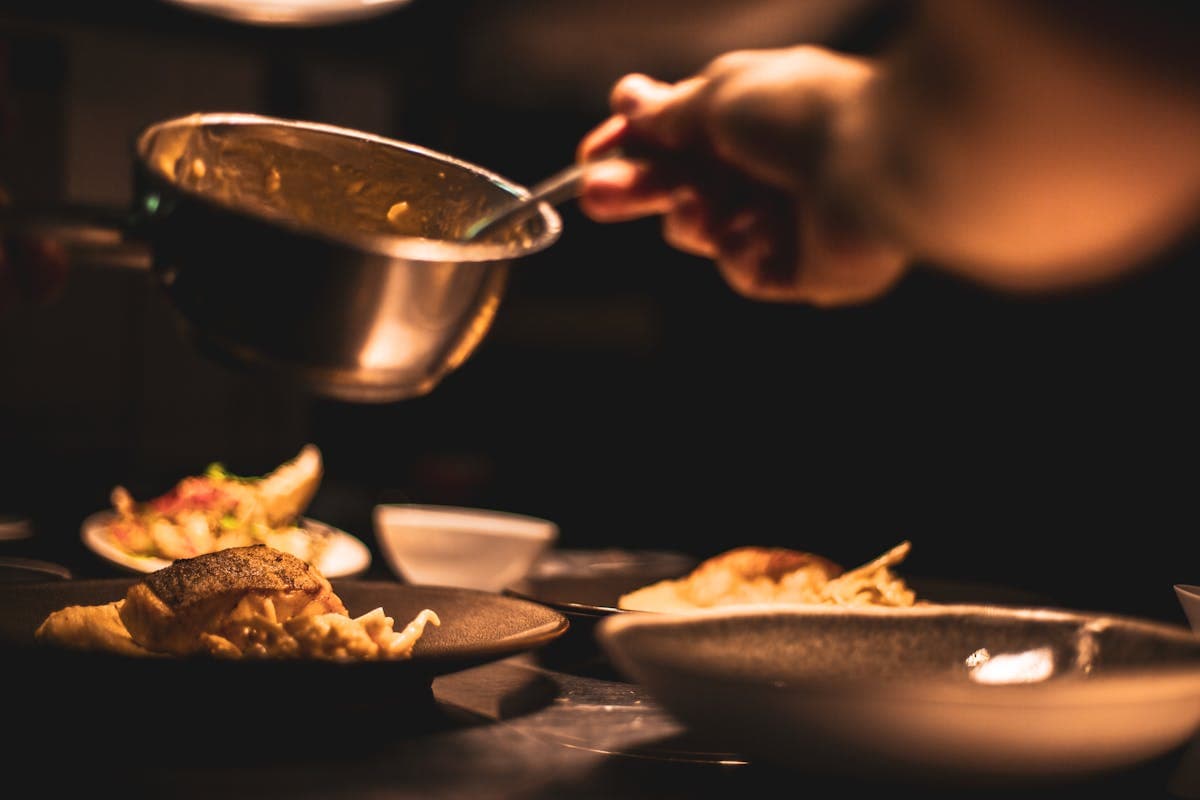
The food here, jerk chicken, plantain in multiple forms, egusi soup, jollof rice, suya, Scotch bonnet heat calibrated to the cook's preference, is often significantly better than its upmarket equivalents because it's being made for a community that knows what it's supposed to taste like.
A note on appropriation
There's a meaningful difference between following this guide with genuine curiosity and treating it as an exotic food tour. The best version of this vibe involves spending money in Black-owned businesses, learning something about the communities that created what you're enjoying, and coming back rather than ticking it off.